


Blog

  • How an Experienced Oral Surgeon Helps Manage Complex Dental and Jaw Conditions

    How an Experienced Oral Surgeon Helps Manage Complex Dental and Jaw Conditions

    Introduction

    Complex dental and jaw conditions require specialised care that goes beyond routine dental treatments. These issues may involve impacted teeth, jaw misalignment, facial injuries, or oral diseases that demand precise diagnosis and advanced procedures. An experienced oral surgeon plays a crucial role in managing such conditions, ensuring both functional improvement and long-term oral health—especially when consulting an oral surgeon Houston for expert and comprehensive care.

    Expert Diagnosis and Treatment Planning

    One of the key roles of an oral surgeon is to accurately diagnose complex dental and jaw problems. Using advanced imaging techniques and clinical evaluation, they assess the structure of teeth, bones, and surrounding tissues.

    Based on this detailed analysis, a personalised treatment plan is created. This plan takes into account the patient’s condition, medical history, and long-term goals. A well-structured approach ensures that every aspect of the problem is addressed effectively.

    Managing Impacted Teeth and Surgical Extractions

    Impacted teeth, especially wisdom teeth, are a common issue that may require surgical intervention. These teeth can become trapped beneath the gums or grow at an improper angle, leading to pain, infection, and damage to nearby teeth.

    An experienced oral surgeon can safely perform surgical extractions, minimising discomfort and reducing the risk of complications. Their skill ensures a smoother recovery process and better outcomes for the patient.

    Correcting Jaw Misalignment

    Jaw misalignment can affect chewing, speaking, and overall facial balance. In severe cases, it may require corrective jaw surgery. Oral surgeons are trained to perform these complex procedures, carefully repositioning the jaw to improve function and alignment.

    This not only enhances oral performance but can also improve facial symmetry and overall appearance, contributing to increased confidence.

    Treatment of Facial Injuries and Trauma

    Accidents or injuries involving the face and jaw require immediate and specialised care. Oral surgeons are equipped to treat fractures, dislocations, and soft tissue injuries.

    Their expertise ensures that both functional and aesthetic aspects are restored. Proper treatment helps prevent long-term complications and supports a full recovery.

    Dental Implants and Bone Grafting

    For patients with missing teeth or bone loss, oral surgeons provide advanced solutions such as dental implants and bone grafting procedures. These treatments restore both the appearance and function of the teeth.

    Bone grafting helps rebuild the jaw structure, creating a strong foundation for implants. This allows for long-lasting and stable results.

    Ensuring Patient Safety and Comfort

    Oral surgeons are trained in administering anaesthesia and managing patient comfort during complex procedures. Their ability to handle surgical environments ensures that treatments are performed safely and efficiently.

    They also provide detailed post-operative care instructions, helping patients recover smoothly and reduce the risk of complications.

    Conclusion

    An experienced oral surgeon plays a vital role in managing complex dental and jaw conditions. From accurate diagnosis to advanced surgical procedures, their expertise ensures effective treatment and long-term oral health. By addressing both functional and structural concerns, they help patients achieve improved comfort, better performance, and a healthier smile.


  • How Medical Scribe Software Is Redefining Efficiency in Modern Healthcare

    How Medical Scribe Software Is Redefining Efficiency in Modern Healthcare

    The healthcare industry is undergoing a major transformation, and one of the most impactful innovations driving this change is medical scribe software. As clinicians face increasing administrative demands, the need for smarter, faster, and more reliable documentation tools has never been greater. From improving workflow efficiency to enhancing patient care, this technology is becoming an essential part of modern medical practice.

    The Documentation Challenge in Healthcare

    Medical professionals spend a significant portion of their day documenting patient encounters. This includes updating electronic health records, writing clinical notes, and ensuring compliance with regulations. While necessary, these tasks often take time away from what truly matters—patient care.

    Historically, healthcare providers relied on manual entry or human scribes. While traditional medical scribe software provided some relief, it still required additional coordination and resources. Today, advanced solutions powered by artificial intelligence are changing the game entirely.

    What Is Medical Scribe Software?

    At its core, medical scribe software is designed to assist healthcare providers with real-time documentation. Modern systems go beyond simple transcription by using AI to understand context, structure information, and generate accurate clinical notes.

    These platforms often incorporate features such as:
    • Real-time voice recognition and transcription
    • Automated structuring of medical notes
    • Integration with electronic health record systems
    • Continuous learning and adaptation to user preferences

    Many of these systems include an AI medical scribe that can capture conversations during patient visits and convert them into structured documentation instantly.

    Key Benefits for Healthcare Providers

    The adoption of medical scribe software offers a wide range of benefits that directly impact both clinical efficiency and patient outcomes.

    • Time savings – Reduces hours spent on manual documentation
    • Improved accuracy – Minimizes human errors in data entry
    • Better workflow management – Streamlines daily operations
    • Enhanced productivity – Allows clinicians to see more patients without compromising quality

    For busy practices, these advantages can translate into significant operational improvements and cost savings.

    Enhancing the Patient Experience

    One of the most noticeable benefits of medical scribe software is the improvement in patient interaction. When clinicians are not focused on typing notes, they can engage more naturally with patients.

    This creates a more comfortable environment where patients feel heard and understood. The use of ai powered medical scribe technology ensures that every detail is captured without interrupting the conversation, leading to better communication and more accurate diagnoses.

    Reducing Burnout and Improving Work-Life Balance

    Burnout is a major issue in healthcare, often caused by long hours and administrative overload. Documentation tasks are one of the primary contributors to this problem.

    By implementing ai medical scribing solutions, healthcare providers can significantly reduce their workload. This allows them to complete documentation during or immediately after consultations, eliminating the need for after-hours charting.

    The result is a healthier work-life balance, improved job satisfaction, and a more sustainable career in medicine.

    Scalability for Practices of All Sizes

    Whether it’s a small clinic or a large healthcare organization, medical scribe software can be tailored to meet specific needs. These systems are highly scalable and adaptable, making them suitable for various specialties and practice sizes.

    As the software learns from ongoing usage, it becomes increasingly efficient and accurate. This continuous improvement ensures long-term value and reliability.

    Security and Compliance Considerations

    Handling sensitive patient information requires strict adherence to data protection standards. Modern healthcare charting software solutions, including medical scribe software, are built with robust security features.

    These include:
    • Data encryption and secure storage
    • Role-based access controls
    • Compliance with healthcare regulations
    • Regular system updates and monitoring

    Such measures ensure that patient data remains protected while maintaining trust and compliance.

    The Future of Medical Scribe Technology

    The future of medical scribe software is closely tied to advancements in artificial intelligence. As technology evolves, we can expect even more sophisticated capabilities, such as predictive documentation, automated coding, and integration with clinical decision support tools.

    Innovative platforms like Dorascribe are at the forefront of this evolution, offering cutting-edge solutions designed to meet the needs of modern healthcare providers.

    The adoption of medical scribe software is no longer just a convenience—it is a strategic advantage. By reducing administrative burden, improving accuracy, and enhancing patient care, these systems are transforming the way healthcare is delivered.

    For providers looking to stay competitive and efficient, investing in intelligent documentation tools is a crucial step forward. As healthcare continues to evolve, those who embrace technologies like AI medical scribe solutions will be best positioned to succeed in the future.

  • Exploring the Oral-Facial Wellness Relationship

    Exploring the Oral-Facial Wellness Relationship

    Many view a bright smile as a simple cosmetic feature. In reality, the condition of teeth and gums is deeply linked to one’s overall physical state.

    The mouth serves as a primary gateway to the body. Its status directly influences systemic wellbeing and facial aesthetics.

    Maintaining optimal dental care is a cornerstone of preventative medicine. It affects numerous bodily systems, extending far beyond the jaw.

    Contemporary science has transformed our understanding. We now know that issues within the mouth can signal or even fuel significant complications elsewhere.

    This establishes pathways where bacteria and inflammation impact heart function, metabolism, respiration, and cognitive performance.

    Therefore, dental professionals increasingly adopt a holistic perspective. They consider the wider implications of routine care.

    Regular check-ups are thus crucial health screenings. They can uncover early indicators of broader systemic diseases.

    This article will examine the evidence linking daily hygiene practices to outcomes like heart disease. It sets the rationale for a detailed exploration.

    Key Takeaways

    • The mouth acts as a critical gateway, influencing overall bodily systems and facial appearance.
    • Optimal dental care is a fundamental component of preventative healthcare, not merely a cosmetic concern.
    • Modern research reveals oral conditions can signal or contribute to serious systemic health complications.
    • Bacteria and inflammation from the mouth can affect cardiovascular, metabolic, respiratory, and cognitive function.
    • Dental professionals now view care through a holistic lens, considering whole-body implications.
    • Routine dental appointments act as essential health screenings that can detect early disease warnings.
    • Evidence demonstrates clear links between oral hygiene and conditions like heart disease and pregnancy issues.

    Oral Health and Facial Wellness Connection: An Overview

    A landmark report from two decades ago fundamentally reshaped how professionals perceive dental care. It moved the focus from isolated teeth towards a more integrated view of bodily function.

    Defining the Connection

    This integrated view considers all anatomical components. It includes gums, bones, ligaments, muscles, glands, and nerves.

    These structures work together to enable essential human functions. They allow people to speak, smile, taste, and chew food effectively.

    Perhaps most importantly, they are the foundation for conveying emotions through facial expressions. This function is central to communication and psychological wellbeing.

    Key Research Insights

    The pivotal 2000 Surgeon General’s report, Oral Health in America, catalysed this shift in understanding. It framed dental status as a critical component of overall physical state, not a separate concern.

    The report established that the mouth’s condition serves a dual role. It acts as both an indicator of systemic health and a potential contributor to broader disease processes.

    Subsequent research has documented the physiological mechanisms behind this link. Inflammation and bacteria in the mouth can create pathways affecting other bodily systems.

    This evidence underscores why dental status is now viewed through a holistic lens. Managing oral conditions is recognised as a key part of maintaining general wellbeing.

    The Mouth-Body Relationship: Systemic Implications

    Within the complex ecosystem of the mouth lies a direct communication channel to the body’s vital system. This mouth-body connection reveals the mouth as an integrated part of the whole organism. It is not an isolated anatomical region.

    This mouth-body connection operates as a two-way street. Conditions in the mouth can signal issues elsewhere. Systemic problems often manifest orally. Good oral health is thus a cornerstone of general wellbeing.

    How Bacteria Influence Overall Health

    The human mouth harbours over 700 species of bacteria. These bacteria form a sophisticated ecosystem. A delicate balance exists between beneficial and harmful bacteria.

    Poor hygiene disrupts this equilibrium. Harmful bacteria then multiply, creating conditions for disease. Inflamed gum tissue provides a gateway for these microbes.

    Through this gateway, bacteria can enter the bloodstream. Once in the bloodstream, they travel to distant organs. This migration triggers inflammatory responses throughout the body.

    Chronic exposure to oral bacteria sustains systemic inflammation. The body’s immune system responds to this invasion. Managing the microbial balance in the mouth is fundamental for protecting overall health.

    Gum Disease, Inflammation and Facial Aesthetics

    Periodontal conditions represent more than just a dental issue; they are a source of chronic inflammation with far-reaching consequences. This process directly undermines both systemic wellbeing and the structural support for one’s smile.

    The visible signs, such as receding gums or loosening teeth, often point to deeper health concerns.

    Understanding the Impact of Inflammation

    Gum disease begins when poor oral hygiene allows plaque bacteria to thrive. The body’s immune system attacks this buildup, causing inflammation in the gum tissues.

    This initial stage, called gingivitis, makes gums red, swollen, and prone to bleeding. If untreated, the inflammation spreads deeper.

    It destroys the fibres and bone anchoring teeth, advancing to periodontitis. This disease creates pockets where bacteria accumulate further.

    Crucially, the inflammation is not contained. Inflammatory mediators from the infected gum tissues enter the bloodstream.

    They circulate, contributing to inflammatory conditions elsewhere in the body. Chronic gum disease thus fuels a state of systemic inflammation.

    Locally, persistent infection erodes the jawbone. This bone resorption can alter facial contours, leading to a sunken appearance over time.

    Stage Primary Focus Tissue Impact Systemic Link
    Gingivitis Bacterial plaque on gum line Inflamed, bleeding gums; reversible damage Localised inflammation; minimal systemic spread
    Periodontitis Deepening infection and pocket formation Bone loss, gum recession, tooth mobility High levels of inflammatory markers enter circulation
    Advanced Disease Significant structural destruction Tooth loss, major bone resorption, facial change Strong contributor to chronic systemic conditions

    Controlling this inflammatory cascade is therefore vital. Effective management protects both facial structure and overall health.

    Comprehensive Dental Care and Systemic Wellbeing

    A modern dental appointment is far more than a simple check-up for cavities. It represents a proactive strategy for safeguarding one’s overall physical state. This approach, known as comprehensive dental care, views the mouth as a window to the body’s systemic condition.

    Thorough examinations form its foundation. Using digital radiography and full-mouth assessments, clinicians can detect subtle early signs. These signs may point to issues extending beyond the gums and teeth.

    Preventative Strategies in Dental Practice

    Periodontal therapy exemplifies this dual-purpose philosophy. It addresses local disease while actively reducing the body’s inflammatory burden. This directly supports systemic wellbeing.

    Key clinical interventions include:

    • Professional cleaning (scale and polish) to disrupt harmful bacterial biofilms.
    • Fluoride applications that strengthen enamel and prevent decay.
    • Antimicrobial treatment to control specific pathogenic populations.

    Empowering individuals through education is another critical component. It helps people understand the tangible links between their daily hygiene and broader oral health outcomes.

    Consequently, regular visits function as essential preventative screenings. Trained professionals can identify warning signs for patients, potentially flagging systemic concerns like diabetes during routine care. This positions dentistry as a vital partner in maintaining long-term health.

    Integrating Skincare into Oral Health Management

    A truly holistic view of facial aesthetics requires attention to both dermatological and dental factors simultaneously. Progressive practitioners recognise that optimal appearance and wellbeing are achieved through coordinated strategies.

    Skin condition and the state of one’s mouth share common influencing factors. These include inflammation levels, bacterial balance, nutritional status, and lifestyle behaviours.

    Innovative Approaches by “Banning Skin Ltd”

    Forward-thinking clinics exemplify this integration. Programmes by Banning Skin Ltd, for instance, combine dermatological assessments with dental considerations.

    This approach ensures treatments address the face as a unified system. It moves beyond isolated concerns.

    Benefits of Combining Skincare and Dental Care

    This synergy offers clear advantages for patients. Key benefits include:

    • Improved treatment outcomes: Managing oral inflammation can enhance facial skin appearance.
    • Enhanced aesthetic results: A healthy gum line and strong teeth are foundational for a confident smile, which complements clear skin.
    • More comprehensive understanding: A coordinated care team can identify issues one discipline might miss.

    Ultimately, integrating these fields supports overall wellness. It positions daily dental care and skincare as complementary pillars of a unified health strategy.

    Advanced Dental Techniques for Holistic Health

    Contemporary dentistry has evolved beyond fillings and extractions to embrace a whole-body philosophy. This approach uses sophisticated tools to assess the mouth as a mirror of general wellbeing.

    Advanced techniques now reflect integrated health principles. They treat individuals as complete systems rather than focusing on isolated symptoms.

    Modern Treatment Modalities

    Cutting-edge technologies enable more precise diagnostics and effective interventions. These include advanced imaging systems and laser therapies.

    Minimally invasive procedures and biological treatments improve outcomes. They also reduce patient discomfort and recovery time.

    Such modalities allow earlier detection of both local disease and systemic conditions. Timely intervention prevents progression to serious complications.

    Preventive Check-Ups

    Thorough examinations are vital for proactive care. Clinics like Banning Dental exemplify comprehensive protocols.

    These check-ups screen for oral conditions while identifying indicators of broader issues. Patients can expect oral cancer screenings and periodontal assessments.

    Bite evaluations and medical history discussions reveal crucial links. Personalised treatment plans are then developed by an experienced team.

    This addresses individual risk factors rather than applying a one-size-fits-all approach.

    Technique Primary Application Benefit for Holistic Health
    Digital Imaging (CBCT) 3D visualisation of bone and teeth Detects hidden infections impacting systemic health
    Laser Therapy Precise soft tissue treatment Reduces inflammation with minimal trauma
    Minimally Invasive Surgery Tooth preservation procedures Promotes faster healing and overall wellbeing
    Biological Treatments (e.g., PRF) Enhancing tissue regeneration Supports the body’s natural healing processes

    Coordinated plans integrate multiple treatments and preventive strategies. This supports holistic health objectives effectively.

    Oral Infections and Their Wider Health Risks

    A severe tooth infection can quickly escalate from a localised problem to a threat against the entire body. Dental abscesses and other oral infections create reservoirs of harmful bacteria.

    If these pathogens enter the bloodstream, they can cause sepsis. This life-threatening condition overwhelms the immune system.

    Chronic infections also fuel systemic inflammation. This process contributes to cardiovascular disease and respiratory complications.

    People with diabetes face particular risks. Poorly controlled oral infections can disrupt blood sugar management.

    The mouth can serve as an early warning system. Lesions may indicate underlying systemic conditions like HIV.

    Prompt treatment is therefore crucial. Delays allow bacterial proliferation and increase the risk of dissemination.

    Type of Oral Infection Primary Systemic Risk Mechanism of Spread
    Dental Abscess Sepsis, Endocarditis Direct invasion into bloodstream
    Advanced Periodontitis Cardiovascular disease, Pneumonia Chronic inflammation, aspiration of bacteria
    Oral Candidiasis Systemic fungal infection Indicates compromised immunity
    Pericoronitis Ludwig’s Angina, Airway obstruction Local spread to deep neck spaces

    This table illustrates how local infections link to major health issues. Managing dental problems protects overall health.

    Preventing these conditions is a key part of holistic care. Regular dental check-ups are essential for early detection.

    The Impact of Diet and Lifestyle on Oral and Facial Health

    Lifestyle habits extend their influence far beyond weight management. They directly shape the condition of teeth and facial tissues. What people consume and their daily routines are powerful determinants of oral health overall.

    Diets high in refined sugars and acids create an ideal environment for decay. When combined with poor oral hygiene, this accelerates gum disease and causes bad breath.

    Nutritional Strategies for Optimal Wellness

    Specific nutrient shortages manifest clearly in the mouth. A lack of vitamin C can lead to bleeding gums. Deficiencies in vitamin D or calcium weaken teeth and slow healing.

    Other lifestyle factors also play a major role. Smoking, excessive alcohol, chronic stress, and poor sleep quality all compromise health overall. They increase systemic inflammation and infection risk.

    Implementing positive nutritional strategies supports a resilient smile. Key dietary approaches include:

    • Consuming calcium-rich foods like dairy or leafy greens to strengthen enamel.
    • Eating crunchy vegetables (e.g., carrots, celery) that help clean surfaces naturally.
    • Drinking adequate water to maintain saliva flow, which neutralises acids and washes away food particles.

    This evidence shows that protecting oral health requires a comprehensive lifestyle approach. It integrates smart nutrition, consistent hygiene, and stress management for lasting health benefits.

    Research and Emerging Trends in Oral-Facial Wellness

    Recent findings from major health institutions have solidified the link between periodontal disease and serious systemic complications. This research transforms our understanding of preventative care.

    Recent Findings from Institutional Studies

    Studies show people with gum disease face a 20-50% higher risk for heart disease. Harmful oral bacteria can attach to arterial plaques, contributing to blockages.

    A powerful bidirectional relationship exists with diabetes. Diabetics have three times the risk of severe gum disease. Conversely, this inflammation makes blood sugar control very difficult.

    Maternal health is critically affected. Pregnant women with untreated gum issues face seven times the risk of premature delivery. This highlights the vital need for dental care during pregnancy.

    Over 35,000 cases of oral and pharyngeal cancers are diagnosed annually. This results in roughly 8,000 deaths each year. Regular screenings are essential.

    Emerging research explores connections to cognitive decline. Specific oral bacteria have been found in the brain tissue of Alzheimer’s patients. This opens new avenues for understanding neurodegenerative conditions.

    These discoveries, built over many years, underscore the mouth’s role as a window to the whole system. They guide more integrated approaches to managing these conditions.

    Conclusion

    The evidence is clear: caring for one’s mouth is a direct investment in the entire body’s resilience. Decades of rigorous science confirm this link is measurable, not theoretical.

    Maintaining optimal dental status safeguards against serious conditions affecting the heart, brain, and metabolism. It makes routine care a fundamental preventative strategy.

    People have substantial control over outcomes through daily hygiene and smart lifestyle choices. Regular check-ups with a professional team act as essential health screenings.

    These appointments can identify early warnings for systemic issues. An integrated approach, where dental and medical practitioners collaborate, offers the best protection.

    Prioritising consistent oral hygiene and scheduling preventive examinations are crucial steps. This investment enhances quality of life and prevents complications.

    FAQ

    How is the condition of my mouth connected to my general wellbeing?

    The mouth is a gateway to the body. Harmful bacteria from conditions like gum disease can enter the bloodstream, triggering inflammation linked to serious systemic issues, including heart disease and diabetes. Maintaining good dental hygiene is a crucial part of protecting one’s overall health.

    Can problems with my gums really affect my facial appearance?

    Yes. Chronic gum inflammation can lead to bone loss around the teeth, which may alter facial structure and contribute to premature ageing. Addressing periodontal issues is therefore important for both a healthy smile and facial aesthetics.

    What role does a dentist play in my systemic health?

    Modern dental professionals focus on preventative care and early detection. Practices like Banning Dental conduct comprehensive check-ups to identify signs of gum disease or oral infections that could impact broader health conditions, forming a key part of a holistic wellness team.

    How can skincare be part of my oral health routine?

    The skin around the mouth is directly affected by oral inflammation. Integrating targeted skincare, such as the restorative treatments from Banning Skin Ltd, can support tissue healing and improve facial wellness alongside dedicated dental care plans.

    Are there specific lifestyle changes that benefit both oral and facial health?

    Absolutely. A diet low in sugar and rich in anti-inflammatory foods supports healthy gums and skin. Avoiding smoking and managing stress are also vital, as these factors significantly influence periodontal condition and overall inflammation in the body.

    What are the latest research trends in this field?

    Current studies continue to reveal strong links between oral pathogens and conditions like Alzheimer’s disease and stroke. Research also focuses on how advanced, non-invasive dental treatments and combined care approaches can better support long-term systemic and facial wellness.
  • What to Expect from Hormone Replacement in St. Pete, Florida

    What to Expect from Hormone Replacement in St. Pete, Florida

    When people begin exploring Hormone Replacement in St. Pete, Florida, they’re usually seeking answers about energy, weight changes, mood shifts, and overall wellness. At Revo Weight Loss, patients are guided through a structured and medically supervised approach designed to restore hormonal balance rather than simply mask symptoms. This treatment is not one-size-fits-all; it is personalized based on lab testing, clinical evaluation, and ongoing monitoring to ensure safe and effective outcomes. Understanding what to expect helps patients feel more confident before beginning their journey.

    Before starting therapy, patients typically undergo comprehensive hormone panels that measure testosterone, estrogen, progesterone, thyroid markers, and other key biomarkers. These results allow clinicians at Revo Weight Loss to identify imbalances that may be contributing to fatigue, weight gain, sleep disturbances, or reduced mental clarity. Once results are reviewed, a customized treatment plan is created, which may include bioidentical hormone therapy, lifestyle adjustments, and nutritional guidance. Regular follow-ups are essential to track progress and adjust dosages as needed. Most patients report gradual improvements over several weeks rather than immediate changes, which helps set realistic expectations.

    During treatment, patients may notice subtle shifts in energy levels, sleep quality, and mood stability. Because hormone therapy works by restoring balance rather than forcing rapid change, the adjustment period can vary from person to person. Some individuals experience mild side effects such as temporary fatigue or sensitivity as the body adapts. Clinicians closely monitor these responses to ensure optimal dosing and minimize discomfort. At Revo Weight Loss, the goal is to create a steady, sustainable improvement in overall wellness rather than quick fixes that fade over time.

    Hormone therapy can support improved metabolism, better sleep regulation, enhanced focus, and increased daily energy. However, it is not suitable for everyone, which is why proper screening is essential before starting. Patients at Revo Weight Loss are encouraged to view this treatment as part of a broader wellness strategy that includes nutrition, exercise, and stress management. When appropriately managed, outcomes tend to be both meaningful and sustainable over the long term.

    Choosing hormone optimization is a personal decision that benefits from medical guidance and realistic expectations. Revo Weight Loss provides a patient-focused pathway for those considering Hormone Replacement in St. Pete, Florida, helping them take informed steps toward improved health and balance.

    Scheduling a consultation allows patients to review lab results and discuss personalized treatment options with qualified medical provider at Revo Weight Loss.

    This post was written by a professional at Revo Weight Loss St Petersburg FL. Discover REVO, your trusted weight loss clinic St. Petersburg, FL, where science meets total-body wellness. We deliver the best weight loss programs near you! with Semaglutide at the center of our results-driven approach. Our expert team designs personalized plans that may also include hormone replacement therapy St Petersburg FL, HGH, IV nutrient therapy, advanced skincare treatments, and precision permanent makeup. Every service is crafted to help you shed unwanted weight, restore energy, and enhance natural beauty. At REVO, we’re committed to helping you feel confident, healthy, and revitalized-inside and out.

  • What Makes a Reliable Health Screening Clinic?

    What Makes a Reliable Health Screening Clinic?

    Health screening plays a vital role in detecting potential medical conditions early, often before symptoms appear. Choosing where to undergo screening is just as important as deciding to get screened. A reliable clinic does more than run tests-it provides accurate results, professional guidance, and a safe, patient-centered experience. Understanding what defines a trustworthy health screening clinic can help individuals make confident healthcare decisions.

    Qualified and Experienced Medical Professionals

    One of the most important indicators of reliability is the presence of qualified healthcare professionals. Doctors, nurses, and technicians should be properly trained, licensed, and experienced in conducting and interpreting screening tests.

    Experienced clinicians understand how to correlate test results with medical history, lifestyle factors, and risk profiles. This expertise reduces the likelihood of misinterpretation and ensures that patients receive meaningful explanations rather than raw data with little context.

    Comprehensive and Appropriate Screening Services

    A reliable clinic offers screening packages that are evidence-based and tailored to different age groups and risk levels. Rather than promoting unnecessary tests, the clinic should recommend screenings that are medically appropriate.

    Clear explanations about what each test involves and why it is recommended help patients make informed choices. A reliable health assessment clinic focuses on preventive value, not upselling excessive or irrelevant procedures.

    Accurate Testing and Quality Equipment

    The accuracy of screening results depends heavily on the quality of medical equipment and laboratory processes. Reliable clinics invest in modern diagnostic tools that meet healthcare standards and undergo regular calibration and maintenance.

    In addition, laboratory tests should follow strict quality control measures. Whether tests are conducted on-site or outsourced, accredited laboratories and standardized protocols are essential for ensuring consistent and dependable results.

    Clear Communication and Patient Education

    Good communication is a hallmark of a reliable screening experience. Patients should be informed about preparation requirements, such as fasting or medication adjustments, well before their appointment.

    After screening, results should be explained clearly and in plain language. A clinic that takes time to discuss findings, answer questions, and outline next steps demonstrates a genuine commitment to patient understanding rather than rushing through consultations.

    Proper Follow-Up and Care Coordination

    Screening does not end with test results. A reliable clinic provides structured follow-up, especially when abnormalities are detected. This may include referrals to specialists, repeat testing, or lifestyle and treatment recommendations.

    Effective follow-up ensures that screening leads to timely action rather than unnecessary anxiety or confusion. Clinics that support continuity of care help patients navigate their health journey more confidently.

    Strong Data Privacy and Confidentiality Practices

    Medical information is highly sensitive, making data protection a critical component of reliability. Clinics should follow strict confidentiality policies and comply with healthcare data protection regulations.

    Secure record-keeping systems, controlled access to patient data, and transparent privacy policies indicate that the clinic takes patient trust seriously. Respect for privacy is an essential aspect of professional healthcare delivery.

    Clean, Organized, and Patient-Friendly Environment

    The physical environment of a clinic reflects its standards of care. Clean facilities, organized workflows, and well-maintained equipment contribute to patient safety and comfort. A calm and orderly setting also helps reduce anxiety, especially for individuals who may feel nervous about medical tests. Attention to hygiene and patient comfort signals professionalism and respect for patient well-being.

    Transparent Pricing and Clear Processes

    Reliability also includes financial transparency. Clinics should provide clear information about costs, what is included in screening packages, and whether follow-up consultations are separate. Transparent processes-from appointment booking to result delivery-help patients feel informed and in control. When expectations are clearly set, trust is easier to build.

    Conclusion

    A reliable health screening clinic combines medical expertise, accurate testing, clear communication, and patient-centered care. Beyond technology and facilities, reliability is reflected in how well a clinic supports patients before, during, and after screening.

    By choosing a clinic that prioritizes accuracy, transparency, and follow-up, individuals can ensure that health screening serves its true purpose: early detection, informed decision-making, and better long-term health outcomes.

  • 5 Reasons Your Adult Acne Won’t Clear Up with Over-the-Counter Products

    5 Reasons Your Adult Acne Won’t Clear Up with Over-the-Counter Products

    For many, the expectation is that acne is a rite of passage that ends the moment you receive your high school diploma. Unfortunately, skin biology doesn’t always follow that timeline. Adult acne is a rising concern, affecting millions of women and men well into their 30s, 40s, and 50s.

    If you have spent hundreds of dollars on “star” ingredients like salicylic acid or benzoyl peroxide only to find your breakouts as stubborn as ever, you aren’t alone. While over-the-counter (OTC) products work well for occasional, superficial blemishes, they often fail to address the complexities of adult-onset acne.

    Here are five reasons why your adult acne isn’t responding to drugstore solutions and why a different approach is necessary.

    1. The Root Cause is Often Hormonal, Not Topical

    The primary difference between teen acne and adult acne is the “why.” Teen acne is often driven by a surge in pubertal hormones that increase oil production across the “T-zone.” Adult acne, particularly in women, is frequently linked to fluctuations in androgens and cortisol.

    Hormonal acne typically appears along the jawline and chin and manifests as deep, painful cysts. Because this process starts deep within the endocrine system, a topical wash from the drugstore can only treat the “end result” on the surface. It cannot regulate the internal hormonal triggers that cause the sebaceous glands to overreact in the first place.

    2. The “Teen” Formulas Are Too Harsh for Adult Skin

    Most OTC acne products are formulated for the resilient, oily skin of a sixteen-year-old. These products often contain high concentrations of drying agents designed to strip away excess sebum.

    As we age, our skin loses its ability to retain moisture, and cell turnover slows down. When an adult uses these aggressive “starlight” treatments, they often end up damaging the moisture barrier. This leads to redness, peeling, and inflammation. Paradoxically, when your skin barrier is compromised, it becomes easier for bacteria to enter the pores, leading to more breakouts. You find yourself in a vicious cycle of drying out your skin while the acne continues to flourish.

    3. You May Be Dealing with “Congestion” vs. “Infection”

    Not all breakouts are caused by the same type of bacteria. Many adults suffer from “subclinical” acne or closed comedones-those tiny, flesh-colored bumps that never come to a head but make the skin texture look uneven.

    Standard OTC benzoyl peroxide is an antibacterial agent; it’s great for killing P. acnes bacteria in a whitehead. However, if your issue is a slow cellular turnover rate that causes “sticky” skin cells to clog your pores, antibacterial washes won’t help. Adults often require medical-grade retinoids or specific chemical exfoliants that encourage the skin to shed properly-formulations that are often only available in effective concentrations through a professional medical dermatologist.

    4. The Rise of “Inflammaging”

    In the world of dermatology, “inflammaging” refers to the chronic, low-grade inflammation that contributes to both aging and skin sensitivity. Adults are more prone to inflammatory responses due to stress, diet, and environmental pollutants.

    OTC products are generally designed to be “one size fits all.” They don’t account for the fact that an adult’s skin may be reacting to systemic inflammation. While a drugstore cream might dry out a spot, it does nothing to calm the underlying inflammatory cascade. Medical treatments often involve a combination of anti-inflammatory topicals and lifestyle adjustments that address the skin’s health from a holistic perspective.

    5. Delayed Healing and Post-Inflammatory Erythema

    One of the most frustrating aspects of adult acne isn’t just the active breakout, but the “ghosts” they leave behind. Adult skin heals more slowly than younger skin. This results in Post-Inflammatory Erythema (PIE) or Hyperpigmentation (PIH)-those red or brown marks that linger for months after the pimple is gone.

    Many people mistake these lingering marks for active acne and continue to apply harsh OTC spot treatments to them. This only irritates the healing tissue and darkens the mark. Professional intervention is often required to distinguish between active lesions and scarring, utilizing targeted treatments like azelaic acid, prescription retinoids, or light therapies that clear the skin without causing further trauma.

    Moving Beyond the Drugstore Aisle

    If you have been cycling through various “three-step systems” for months with no results, it is a sign that your skin is asking for more than a generic solution. Adult acne is a medical condition, not a hygiene issue or a lack of willpower.

    By seeking a professional diagnosis, you can stop the guesswork. A clinical approach allows for a customized regimen that might include prescription-strength topicals, oral medications to balance hormones, or professional-grade peels that penetrate deeper than any over-the-counter bottle ever could. Your skin has changed since your teenage years-it’s time your acne treatment caught up.

  • Choosing the Best Prediabetes App for Your Health Journey

    Choosing the Best Prediabetes App for Your Health Journey

    Managing prediabetes can feel daunting, but with the right tools, it becomes much easier to stay on track and maintain a healthy lifestyle. The best prediabetes app can provide you with the support and structure needed to make informed decisions about your health every day. From tracking blood sugar levels to monitoring your exercise and diet, these apps help simplify the process of managing prediabetes.

    The key to success in managing prediabetes is consistency. Having an app that allows you to stay on top of your daily habits and gives you reminders to track your progress can make all the difference. With the help of technology, the journey to better health can feel much more manageable, and with the right app, you can stay motivated while improving your overall wellness.

    How a Prediabetes App Can Help

    Managing prediabetes requires a mix of dietary changes, exercise, and regular monitoring. The best prediabetes app is designed to assist you with all these aspects. With features like blood sugar tracking, meal logging, and exercise monitoring, these apps act as comprehensive tools that help you stay consistent with your health goals. They also provide valuable insights that enable you to make informed decisions about what’s working and what needs adjusting.

    By tracking your daily data, the best prediabetes app helps you understand how different foods, activities, and sleep patterns affect your blood sugar levels. It makes it easier to identify trends and tailor your lifestyle changes to suit your needs, empowering you to take control of your health in a practical and manageable way.

    Key Features of the Best Prediabetes App

    When searching for the best prediabetes app, it’s important to consider the features that can make your life easier. Here are the most valuable functions to look for:

    1. Blood Sugar Tracking – Regularly monitoring your blood sugar levels is essential for managing prediabetes. The prediabetes app allows you to log your glucose readings and track your levels over time. It helps you understand the impact of different habits on your blood sugar.
    1. Food Logging and Nutrition Analysis – What you eat plays a significant role in managing prediabetes. A good app will allow you to log your meals and track nutrition details, including carbohydrates, sugar, and calories. This feature helps you make healthier food choices and avoid blood sugar spikes.
    1. Exercise Tracking – Physical activity is key to controlling blood sugar levels. The best prediabetes app should offer a simple way to track your exercise and physical activity. Many apps sync with fitness trackers to provide real-time data, so you can see how your workouts are impacting your health.
    1. Goal Setting and Reminders – Setting goals within the app can help you stay on track. The best prediabetes app should let you set personalized goals related to food, exercise, and blood sugar management. Custom reminders ensure you stay consistent with tracking your data and sticking to your healthy habits.
    1. Health Insights and Tips – The best apps also offer educational resources. It may include expert advice, tips for managing prediabetes, meal plans, and healthy recipes. These tools help you learn more about your condition and make smarter decisions about your health.

    Tips for Using the Best Prediabetes App Consistently

    Consistency is key to success with the best prediabetes app. Here are some tips to help you stay on track:

    • Set Small, Achievable Goals – Start with simple, realistic goals that you can easily incorporate into your daily routine. Whether it’s tracking meals or exercising for 20 minutes a day, small wins will help you stay motivated.
    • Use Reminders – Set daily or weekly reminders to ensure you don’t forget to log meals, check your blood sugar, or exercise. These nudges will help you stay consistent and build healthy habits over time.
    • Review Your Progress Regularly – Many of the best prediabetes apps offer weekly or monthly progress reports. Take the time to review these reports, so you can assess how your habits are affecting your blood sugar levels. This reflection can motivate you to stay on course.
    • Celebrate Your Successes – Whether you’ve stuck to your meal plan or hit a new exercise milestone, celebrate your accomplishments. Acknowledge your progress, no matter how small, to stay motivated on your health journey.

    Empower Your Health Journey with the Right Prediabetes App

    The right prediabetes app can transform your approach to managing your health. These apps provide the tools you need to track blood sugar levels, food intake, exercise, and overall progress, offering practical solutions that keep you on track. With the consistent support of a well-designed app, managing prediabetes becomes not only achievable but sustainable.

    Whether you’re focused on monitoring glucose levels or improving dietary choices, the best prediabetes app empowers you to take charge of your health. It helps you make informed decisions and supports long-term changes that positively impact your well-being.

  • Blood Cancer Awareness: Risk Factors, Warning Signs, and Treatment Approaches

    Blood Cancer Awareness: Risk Factors, Warning Signs, and Treatment Approaches

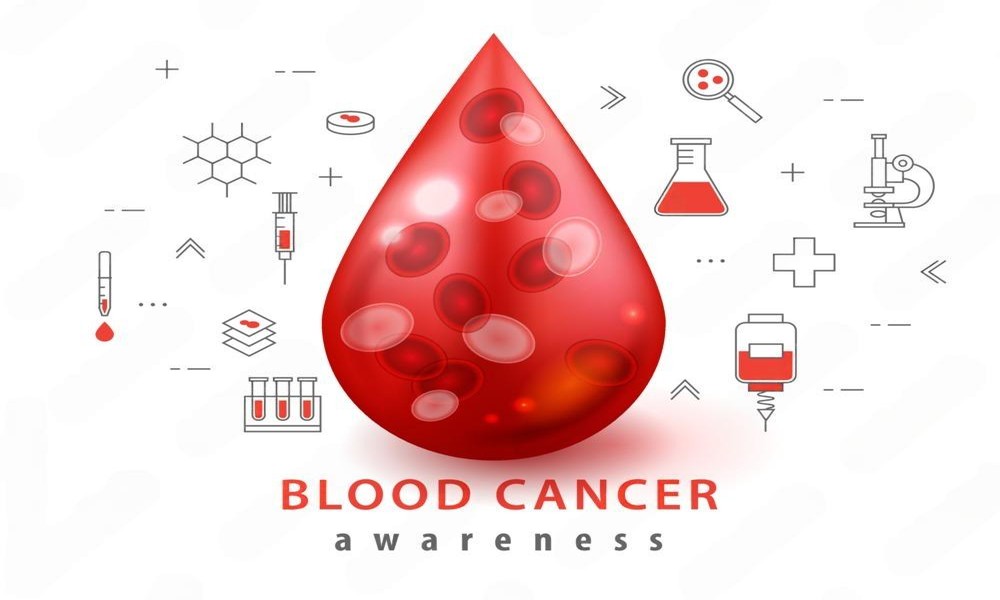
    Blood cancer is a group of conditions that affect the blood, bone marrow, or lymphatic system, and it can impact how the body produces and uses healthy blood cells. Awareness of its risk factors and early signs is essential because many symptoms can be subtle or easily mistaken for common illnesses. Early detection allows timely treatment and improves the chances of better outcomes. In this article, we’ll provide an overview of the key risk factors, important red flags to look out for, and the main treatment approaches available, helping individuals and families make informed decisions about their health.

    Understanding Blood Cancer

    Blood cancer develops when abnormal blood cells grow uncontrollably in the bone marrow or lymphatic system. These cells interfere with the body’s ability to produce healthy blood cells, fight infections, and maintain proper immune function.

    Main Types of Blood Cancer

    • Leukaemia: Affects the bone marrow and blood, leading to the overproduction of abnormal white blood cells that crowd out healthy cells.
    • Lymphoma: Impacts the lymphatic system, causing abnormal growth of lymphocytes, which can form tumours in lymph nodes and other organs.
    • Myeloma: Involves plasma cells in the bone marrow, reducing the body’s ability to produce normal antibodies and increasing the risk of infections.

    Although these conditions behave differently, early recognition and timely medical care can significantly improve outcomes.

    Key Risk Factors

    The exact cause of many blood cancers remains unclear, yet certain factors are known to increase the likelihood of developing the disease. These include:

    • Age: Many types of blood cancer are more common in older adults because cell repair mechanisms weaken with age.
    • Family history and genetics: Inherited genetic mutations and certain rare syndromes can raise the risk, especially when close relatives have had blood disorders.
    • Radiation exposure: High levels of ionising radiation from previous radiotherapy or environmental exposure can damage bone marrow cells over time.
    • Chemical exposure: Long-term exposure to industrial chemicals such as benzene has been associated with an increased risk of leukaemia.
    • Weakened immunity: Conditions like HIV, autoimmune diseases, or prolonged use of immunosuppressive medicines can reduce the body’s ability to control abnormal cell growth.

    Early Warning Signs

    Blood cancer symptoms can be difficult to recognise in the early stages because they often resemble everyday illnesses such as viral infections, stress-related fatigue, or nutritional deficiencies. This overlap makes early detection challenging, which is why being aware of potential warning signs is so important. Key symptoms to watch out for include:

    • Persistent tiredness or weakness: Continuous fatigue that does not improve with rest may indicate reduced healthy blood cell production.
    • Frequent or unusual infections: A weakened immune system can make the body more prone to recurring or severe infections.
    • Unexplained weight loss: Losing weight without changes to diet or activity levels can be an early sign of an underlying disease.
    • Easy bruising or bleeding: Nosebleeds, bleeding gums, or bruises that appear easily may be linked to low platelet levels.
    • Swollen lymph nodes: Painless swelling in areas such as the neck, armpits, or groin can indicate changes in the lymphatic system.
    • Fever or night sweats: Ongoing fever or excessive sweating at night without infection can be associated with certain blood cancers.
    • Bone or joint pain: Abnormal cell growth in the bone marrow can cause discomfort or aching sensations in bones and joints.

    Recognising these signs early and consulting a specialist can significantly improve the chances of early diagnosis and effective treatment.

    Diagnostic Evaluation

    A proper diagnosis helps determine the exact type of blood cancer and guides the most effective treatment plan. Doctors rely on a combination of clinical assessments and specialised tests to build an accurate picture of what is happening inside the body. Key components of blood cancer diagnosis:

    1. Clinical Examination

    Doctors begin with:

    • A detailed review of symptoms and their duration
    • Evaluation for signs such as enlarged lymph nodes, pallor, or bruising
    • Assessment of overall health and medical history

    2. Blood Tests

    Blood investigations are central to early diagnosis and may include:

    • Complete blood count (CBC): Identifies abnormal levels of red cells, white cells, or platelets
    • Peripheral smear: Provides a closer look at the shape and appearance of blood cells
    • Biochemical tests: Assess organ function and detect markers linked to blood cancers

    3. Bone Marrow Examination

    A bone marrow aspiration or biopsy helps:

    • Confirm the presence of abnormal or cancerous cells
    • Identify the specific type of blood cancer
    • Assess the aggressiveness of the condition

    4. Imaging Studies

    Imaging helps evaluate disease spread and organ involvement:

    • X-rays
    • CT or MRI scans
    • PET scans for the metabolic activity of cancer cells

    5. Genetic and Molecular Tests

    Advanced testing may be used to:

    • Detect mutations linked to specific blood cancers
    • Guide personalised treatment decisions
    • Predict how the disease may respond to certain therapies

    Treatment Approaches

    Once the diagnosis is confirmed, the treatment plan is tailored to the specific type and stage of blood cancer, as well as the patient’s overall health. Modern therapies aim not only to control or eliminate cancer cells but also to improve quality of life throughout treatment. Care is usually delivered by a multidisciplinary team that may include haematologists, medical oncologists, nurses, and supportive care specialists. Main treatment options for blood cancer:

    1. Chemotherapy

    A widely used treatment that:

    • Targets rapidly dividing cancer cells
    • May be given orally or intravenously
    • Is delivered in cycles to allow the body to recover between sessions

    2. Immunotherapy

    These treatments help the immune system recognise and destroy cancer cells. Options may include:

    • Monoclonal antibodies
    • CAR T-cell therapy
    • Immune checkpoint inhibitors

    3. Targeted Therapy

    This approach focuses on specific genetic changes or pathways driving the cancer. Targeted medicines can:

    • Block signals that help cancer cells grow
    • Reduce damage to healthy cells
    • Offer better tolerance for some patients

    4. Stem Cell Transplantation

    Also known as a bone marrow transplant, this option may be recommended for certain leukaemias, lymphomas, or myeloma. It helps:

    • Rebuild healthy bone marrow
    • Restore normal blood cell production
    • Improve long-term treatment outcomes

    5. Radiation Therapy

    Used in selected cases to:

    • Shrink affected lymph nodes
    • Manage symptoms caused by tumour pressure
    • Support systemic treatments such as chemotherapy

    Living with Blood Cancer

    Managing daily life with blood cancer requires attention to energy, nutrition, infection prevention, and emotional support. With proper strategies, patients can maintain routines and well-being during treatment.

    • Energy and Daily Activities: Fatigue is common, so pacing tasks, prioritising essential activities, and taking short breaks can help maintain strength.
    • Diet and Nutrition: Balanced meals and adequate hydration support recovery, energy levels, and overall health.
    • Infection Prevention: Hand hygiene, avoiding crowded places, and following medical advice reduce the risk of infections.
    • Emotional Well-being: Counselling, support groups, and open conversations with family or friends help manage stress and anxiety.
    • Caregiver Support: Caregivers assist with medication schedules, symptom monitoring, and attending follow-up appointments.

    Conclusion

    Blood cancer can be overwhelming, but being aware of the risk factors and recognising early warning signs empowers patients and families to act promptly. If you or a loved one is experiencing any concerning symptoms, book a consultation at the best cancer hospital in Ghaziabad without delay. Choosing a top hospital ensures access to experienced specialists, advanced diagnostic tools, comprehensive treatment options, and supportive care that addresses both physical and emotional needs. A well-equipped centre also provides coordinated follow-up and guidance, helping patients navigate treatment confidently and improving the chances of a successful recovery.

    Frequently Asked Questions

    1. How is blood cancer detected early?

    Early detection relies on recognising warning signs such as persistent fatigue, unexplained bruising, frequent infections, or swollen lymph nodes. Blood tests, imaging, and bone marrow analysis help confirm the diagnosis.

    2. What are the main treatment options for blood cancer?

    Treatment depends on the type and stage of cancer and may include chemotherapy, immunotherapy, targeted therapy, radiation therapy, or stem cell transplantation, often combined with supportive care.

    3. Can patients continue daily activities during treatment?

    Yes. With proper energy management, diet, and rest, many patients maintain routines, though adjustments may be needed depending on fatigue levels and treatment schedules.

    4. How can I reduce the risk of infections during treatment?

    Maintaining hand hygiene, avoiding crowded or poorly ventilated spaces, following vaccination guidance, and adhering to the medical team’s advice are key steps to reduce infection risks.

    5. How do I choose the right hospital for blood cancer care?

    Select a hospital with experienced haematologists and oncologists, advanced diagnostic and treatment facilities, comprehensive supportive care, and a coordinated follow-up programme to ensure the best outcomes.

  • How Behavioral Health Professional Networks Improve Patient Outcomes

    Delivering effective care in mental health and substance use treatment often requires more than the involvement of a single provider. Patients frequently present with complex needs that span multiple areas, from clinical treatment to social support. A behavioral health professional network brings together a range of specialists who can collaborate to provide coordinated and comprehensive care. This collaborative approach plays a significant role in improving patient outcomes by ensuring that treatment is consistent, informed, and responsive to individual needs.

    One of the most important ways a behavioral health professional network improves outcomes is through coordinated care. When professionals such as therapists, psychiatrists, primary care providers, and social workers work within a connected system, they are better able to share information and align their approaches. This reduces the risk of fragmented care, where different providers may work independently without a full understanding of the patient’s overall situation. Coordination ensures that treatment plans are consistent and that all aspects of a patient’s needs are addressed.

    Continuity of care is another key benefit. Patients often move between different levels of support, such as from inpatient treatment to outpatient services or from intensive therapy to ongoing maintenance. Within a behavioral health professional network, these transitions can be managed more effectively. Providers can communicate directly, share relevant information, and ensure that there are no gaps in care. This continuity helps maintain progress and reduces the likelihood of setbacks.

    Access to a broader range of expertise also contributes to improved outcomes. No single provider can address every aspect of behavioral health, particularly when patients have co-occurring conditions or require specialised treatment. A network allows patients to benefit from the combined knowledge and skills of multiple professionals. This multidisciplinary approach ensures that treatment is more comprehensive and tailored to the individual.

    Early intervention is another area where networks add value. When providers are connected and communication is streamlined, it becomes easier to identify changes in a patient’s condition. Warning signs can be recognised more quickly, allowing for timely adjustments to treatment plans. Early intervention can prevent issues from escalating, leading to better long-term outcomes and reducing the need for more intensive interventions later.

    Consistency in care standards is also enhanced within a network. Shared guidelines, protocols, and best practices help ensure that all providers are working toward the same objectives. This consistency improves the quality of care and reduces variability in treatment approaches. Patients benefit from a more structured and reliable experience, which can support engagement and adherence to treatment.

    Support beyond clinical care is another important factor. Behavioral health outcomes are often influenced by social and environmental factors, such as housing, employment, and community support. A behavioral health professional network may include connections to resources that address these areas, providing a more holistic approach to care. By supporting patients in multiple aspects of their lives, networks help create conditions that are more conducive to recovery.

    Communication plays a central role in all of these benefits. Effective communication between providers ensures that information is accurate, up to date, and accessible when needed. This reduces duplication of effort and allows for more informed decision-making. It also helps build a shared understanding of each patient’s progress and needs, enabling more effective collaboration.

    Patient engagement can also improve within a networked approach. When care is coordinated and consistent, patients are more likely to feel supported and understood. This can increase their willingness to participate in treatment and follow recommendations. A positive and structured experience contributes to better adherence and, in turn, better outcomes.

    The impact of a behavioral health professional network extends beyond individual cases. By improving coordination, access, and quality of care, it contributes to a more effective overall system. This can lead to reduced hospitalisations, better management of chronic conditions, and improved long-term wellbeing for patients.

    As the complexity of behavioral health needs continues to grow, the importance of collaboration becomes increasingly clear. A well-structured network provides the foundation for delivering care that is both comprehensive and responsive, supporting better outcomes for individuals and communities alike.