How Medical Scribe Software Is Redefining Efficiency in Modern Healthcare

The healthcare industry is undergoing a major transformation, and one of the most impactful innovations driving this change is medical scribe software. As clinicians face increasing administrative demands, the need for smarter, faster, and more reliable documentation tools has never been greater. From improving workflow efficiency to enhancing patient care, this technology is becoming an essential part of modern medical practice.
The Documentation Challenge in Healthcare
Medical professionals spend a significant portion of their day documenting patient encounters. This includes updating electronic health records, writing clinical notes, and ensuring compliance with regulations. While necessary, these tasks often take time away from what truly matters—patient care.
Historically, healthcare providers relied on manual entry or human scribes. While traditional medical scribe software provided some relief, it still required additional coordination and resources. Today, advanced solutions powered by artificial intelligence are changing the game entirely.
What Is Medical Scribe Software?
At its core, medical scribe software is designed to assist healthcare providers with real-time documentation. Modern systems go beyond simple transcription by using AI to understand context, structure information, and generate accurate clinical notes.
These platforms often incorporate features such as:
• Real-time voice recognition and transcription
• Automated structuring of medical notes
• Integration with electronic health record systems
• Continuous learning and adaptation to user preferences
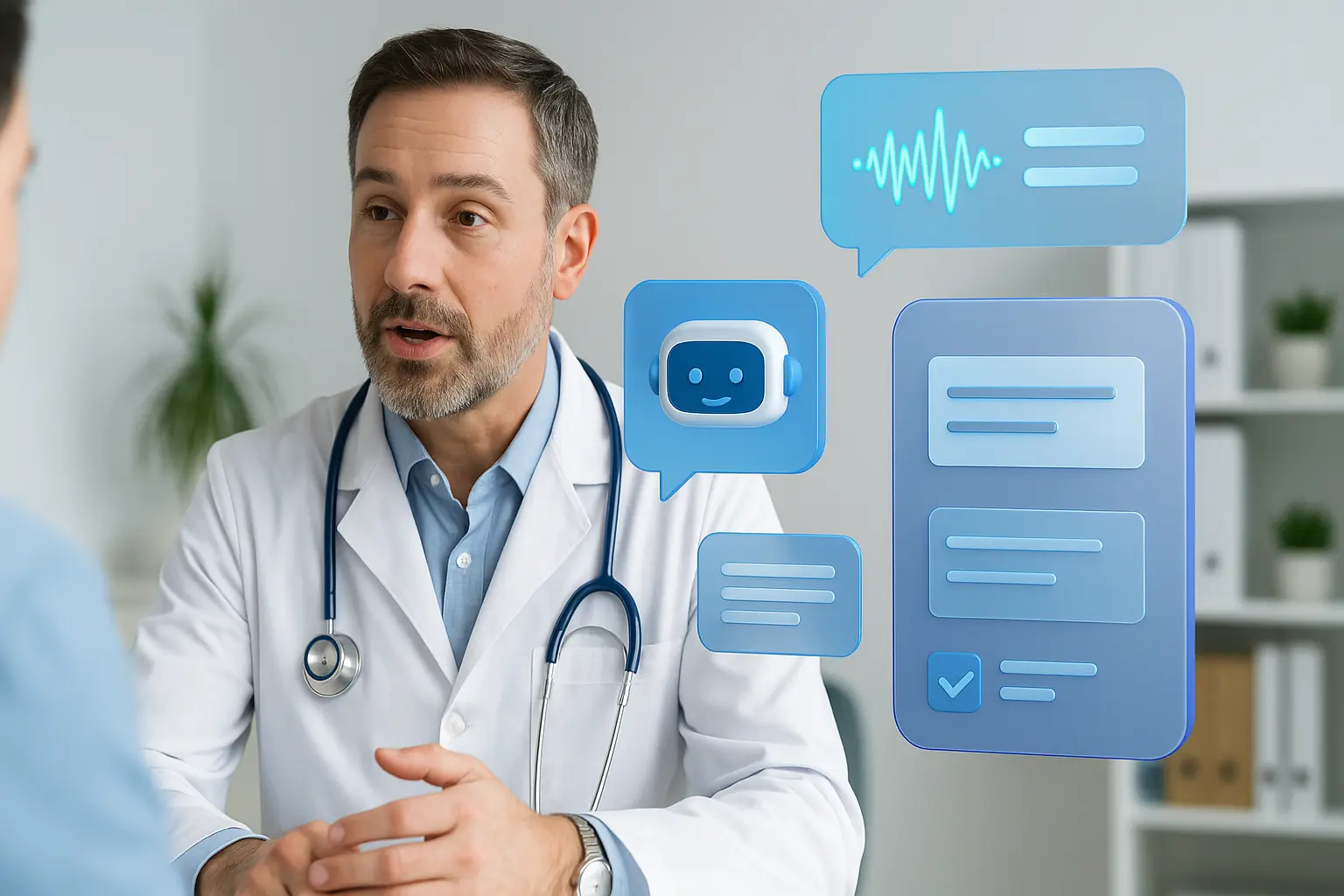
Many of these systems include an AI medical scribe that can capture conversations during patient visits and convert them into structured documentation instantly.
Key Benefits for Healthcare Providers
The adoption of medical scribe software offers a wide range of benefits that directly impact both clinical efficiency and patient outcomes.
• Time savings – Reduces hours spent on manual documentation
• Improved accuracy – Minimizes human errors in data entry
• Better workflow management – Streamlines daily operations
• Enhanced productivity – Allows clinicians to see more patients without compromising quality
For busy practices, these advantages can translate into significant operational improvements and cost savings.
Enhancing the Patient Experience
One of the most noticeable benefits of medical scribe software is the improvement in patient interaction. When clinicians are not focused on typing notes, they can engage more naturally with patients.
This creates a more comfortable environment where patients feel heard and understood. The use of ai powered medical scribe technology ensures that every detail is captured without interrupting the conversation, leading to better communication and more accurate diagnoses.
Reducing Burnout and Improving Work-Life Balance
Burnout is a major issue in healthcare, often caused by long hours and administrative overload. Documentation tasks are one of the primary contributors to this problem.
By implementing ai medical scribing solutions, healthcare providers can significantly reduce their workload. This allows them to complete documentation during or immediately after consultations, eliminating the need for after-hours charting.
The result is a healthier work-life balance, improved job satisfaction, and a more sustainable career in medicine.
Scalability for Practices of All Sizes
Whether it’s a small clinic or a large healthcare organization, medical scribe software can be tailored to meet specific needs. These systems are highly scalable and adaptable, making them suitable for various specialties and practice sizes.
As the software learns from ongoing usage, it becomes increasingly efficient and accurate. This continuous improvement ensures long-term value and reliability.
Security and Compliance Considerations
Handling sensitive patient information requires strict adherence to data protection standards. Modern healthcare charting software solutions, including medical scribe software, are built with robust security features.
These include:
• Data encryption and secure storage
• Role-based access controls
• Compliance with healthcare regulations
• Regular system updates and monitoring
Such measures ensure that patient data remains protected while maintaining trust and compliance.
The Future of Medical Scribe Technology
The future of medical scribe software is closely tied to advancements in artificial intelligence. As technology evolves, we can expect even more sophisticated capabilities, such as predictive documentation, automated coding, and integration with clinical decision support tools.
Innovative platforms like Dorascribe are at the forefront of this evolution, offering cutting-edge solutions designed to meet the needs of modern healthcare providers.
The adoption of medical scribe software is no longer just a convenience—it is a strategic advantage. By reducing administrative burden, improving accuracy, and enhancing patient care, these systems are transforming the way healthcare is delivered.
For providers looking to stay competitive and efficient, investing in intelligent documentation tools is a crucial step forward. As healthcare continues to evolve, those who embrace technologies like AI medical scribe solutions will be best positioned to succeed in the future.