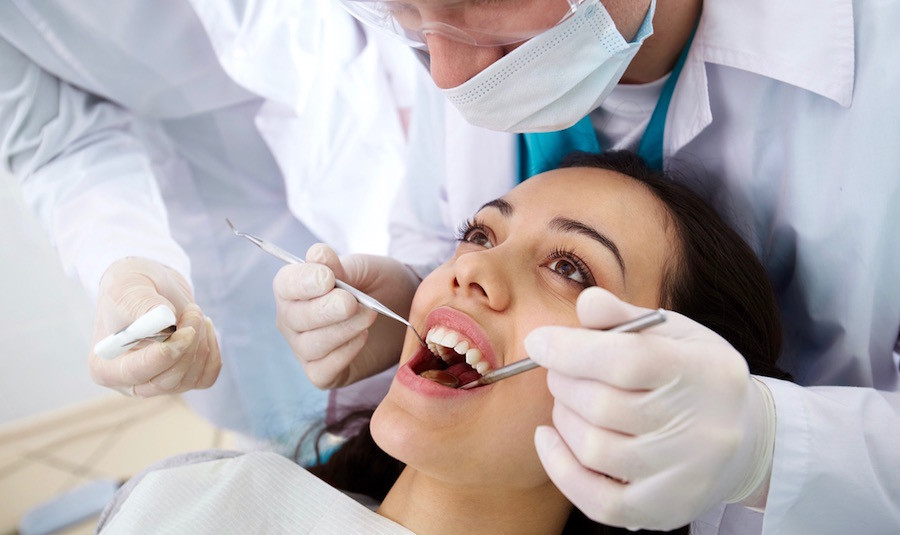
Why does dental hygiene deliver more than routine oral care suggests?
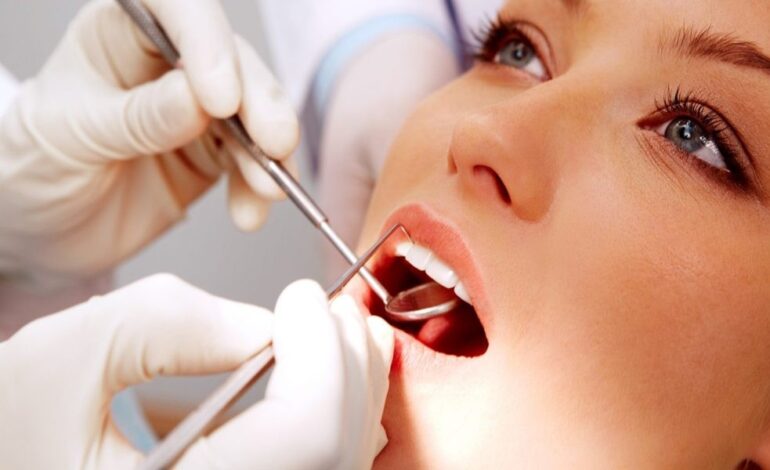

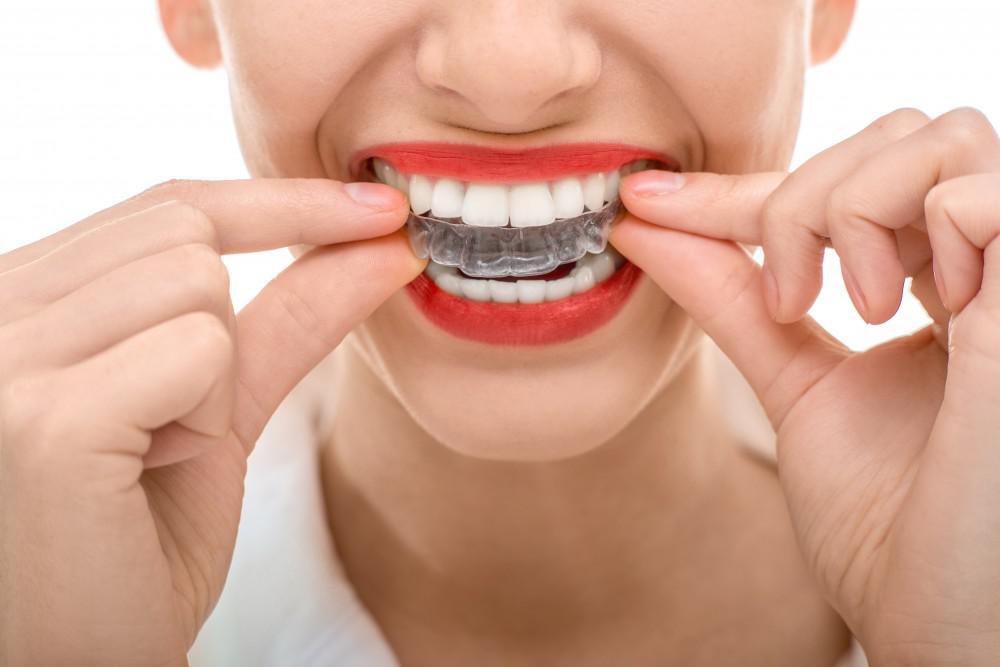
Routine oral care addresses surface cleanliness. Dental hygiene practices that promote precision and consistency take care of bacterial load, support immune function, and control inflammation to protect organ systems well beyond the mouth. Soft tissue care, interdental cleaning, and brushing carry physiological weight that appearance practices do not. Professional guidance documented across sources including Bisson Dentistry reviews consistently places that distinction at the centre of how patients are directed to approach daily oral practice.
That reframing changes what gets targeted during daily practice. Gum line contact points, interdental spaces, and soft tissue surfaces that cosmetic brushing misses consistently are the exact areas where bacterial accumulation produces its most consequential tissue damage. The difference in tissue condition between precision-directed practice and appearance-directed practice does not show immediately. It accumulates across years and surfaces as a clinical finding rather than a gradual visible change.
How does oral hygiene support the body?
Consistent oral hygiene supports the body by maintaining tissue integrity and bacterial balance at levels that prevent oral health from becoming a source of systemic burden.
- Tissue barrier maintenance – Gum tissue free from sustained bacterial accumulation retains structural integrity, blocking the permeability that gives oral bacteria access to broader circulatory systems.
- Immune system support – Daily bacterial load removal from oral tissue reduces the demand on local immune response, directing immune resources toward systemic health challenges rather than chronic oral inflammation.
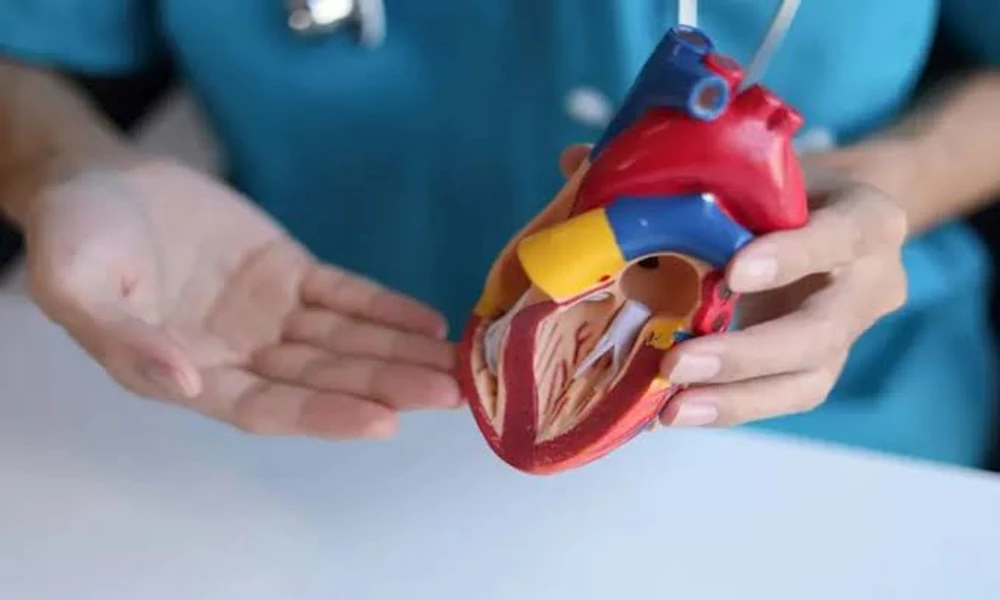
- Inflammatory load reduction – Daily practice that keeps gum tissue clear of chronic irritation reduces circulating inflammatory proteins that oral inflammation feeds into systemic baseline levels across cardiovascular and metabolic function.
- Bone density preservation – Healthy gum tissue maintained through consistent daily practice shields supporting alveolar bone from bacterial pressure that drives gradual density loss across extended periods.
What professional care reinforces?
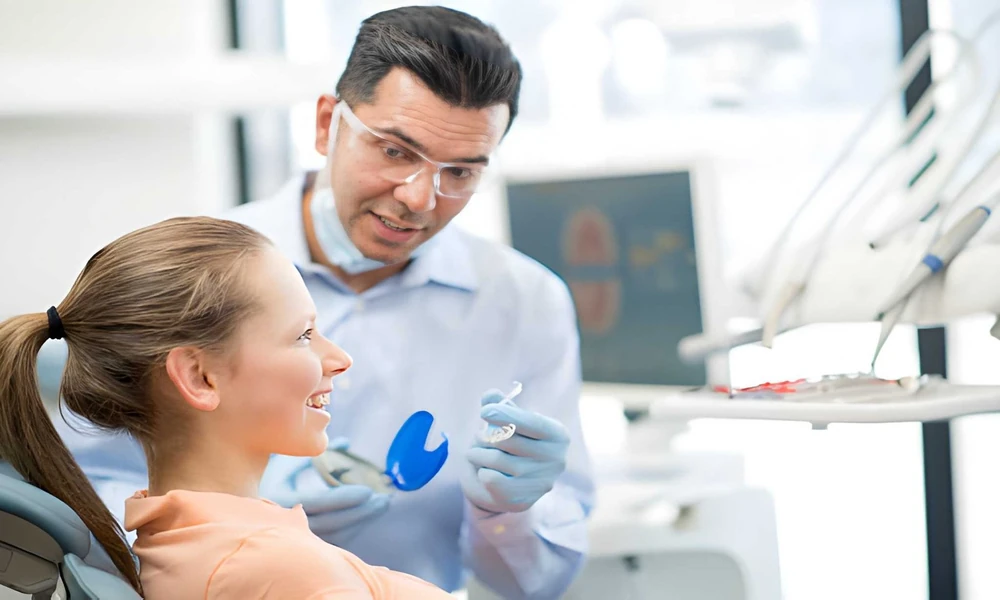
Professional dental care reaches the clinical dimensions of oral health that daily hygiene tools cannot access, regardless of how carefully home practice is applied. Calculus that deposits below the gum line in spite of consistent home care requires professional instrumentation before it drives tissue changes that home practice cannot reverse once they have taken hold.
Scaling at consistent professional intervals removes that calculus before a chronic tissue response establishes, holding the clinical baseline that home practice alone does not sustain. Each professional visit produces a documented tissue assessment tracked against a known baseline, surfacing gradual tissue changes at a stage where clinical options remain open. That combination of calculus removal and longitudinal tissue tracking produces a standard that neither professional care nor home practice reaches independently.
Oral hygiene across ageing
Oral hygiene carries increasing physiological value as the body ages because the systemic conditions it intersects with, bone metabolism, immune regulation, and inflammatory management, all shift in ways that raise rather than lower the stakes of oral tissue condition.
The bone density at the back of teeth can resist age-related metabolic changes more effectively if localised bacterial pressure has been controlled throughout adult life. Oral bacteria load stays consistently low throughout life, reducing chronic demands placed on the immune system by chronic inflammation that narrows with age. Oral hygiene sustained across decades does not preserve teeth alone. It supports the physiological systems whose capacity to handle systemic health challenges contracts as the body moves through later adult life.
Dental hygiene applied with precision and sustained without significant gaps across decades produces a physiological value that appearance-focused oral care routines are structurally incapable of delivering at any comparable depth.