
Why does the endocrine system make retatrutide peptide a unique research focus?
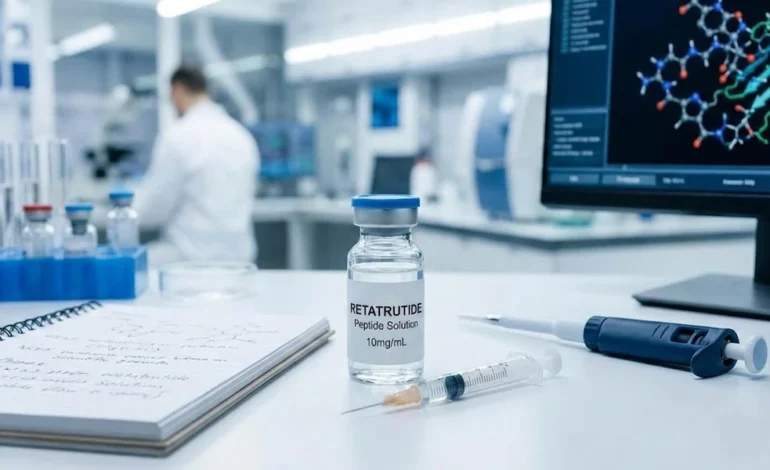

Hormones do not fire in sequence and must wait for a response before activating the next one. Feedback from one pathway changes what another does within the same window, as everything runs at once. A single receptor cannot be designed around endocrine-focused peptide research due to that layered activity. Researchers who purchase retatrutide online for controlled investigation found that its profile did not fit neatly into one hormone category, which is what separated it from compounds already in circulation. GLP-1, GIP, and glucagon receptors sit across the pancreas, liver, brain, and fat tissue. Retatrutide reaches all of them.
Most metabolic peptides stay within one functional branch of endocrine biology. Retatrutide crosses three that overlap in some areas and diverge significantly in others. Investigators building protocols around it had to account for cross-tissue signalling that single-receptor compounds never required them to track, which changed how research questions were framed from the beginning.
What makes this peptide research-worthy?
Each receptor in retatrutide’s profile belongs to a functionally separate branch of metabolic endocrinology, and what happens when all three activate simultaneously is not predictable from studying each one in isolation.
- Inhibition of GLP-1 receptors suppresses glucagon from pancreatic alpha cells and slows stomach emptying after meals.
- Activating GIP receptors directly stimulates adipose tissue as well as beta cells, a tissue reach that GLP-1 receptors alone cannot achieve.
- Incretin pathways are not involved in glucagon receptor agonism, which increases hepatic fat oxidation and thermogenesis.
Outcomes that none of these hormone classes produced individually began appearing when all three receptors engaged together, and that gap between single-receptor predictions and observed results is what drew endocrine researchers toward retatrutide specifically.
Endocrine nodes
Pancreatic response gets most of the attention in metabolic research, but retatrutide’s reach goes further than beta cell output. Liver tissue responds to glucagon receptor activation independently of what insulin is doing at the same time. Fat cells carry GIP receptors that shift storage and mobilisation patterns based on fed or fasted state signals. Hypothalamic appetite centres receive GLP-1 input that operates at a neurological level rather than a digestive one.
- Hepatic fat oxidation accelerates through glucagon receptor binding without requiring corresponding changes in pancreatic insulin secretion.
- Adipose GIP receptor signals alter how fat moves between storage and active use across different metabolic states.
- Hypothalamic GLP-1 receptor input reduces caloric drive through pathways that function separately from gastric emptying effects.
Three different tissues, three different receptor types, and none of them redundant in what retatrutide activates across each one.
Cross-system signal interaction
Feedback loops define how endocrine systems behave under intervention. Retatrutide engages several at once rather than one at a time. GLP-1 pulls glucagon secretion down while glucagon receptor agonism continues accelerating hepatic fat breakdown, holding both in a state that neither hormone manages independently. GIP sharpens insulin response when GLP-1 receptor activation is already present, compounding the pancreatic signal beyond what either receptor generates on its own.
Retatrutide’s place as a distinct research focus does not come from being potent within one hormone category. It comes from operating across three endocrine branches at once, where interactions between those branches produce results that single-receptor compounds cannot replicate, regardless of how the dosing is structured.