How precision medicine is beating tumors that adapt

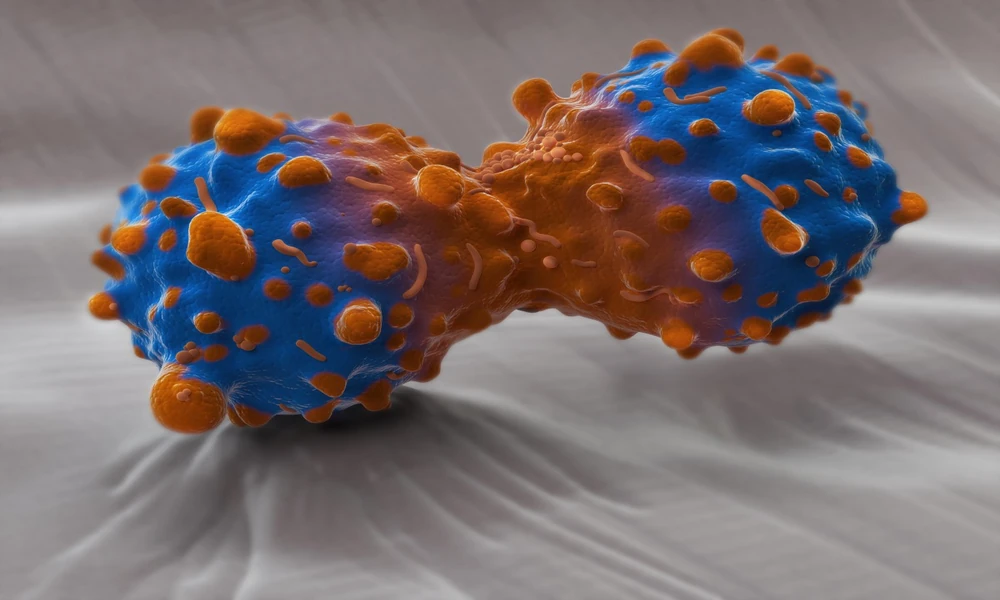
Precision medicine beats tumors that adapt by reading the exact genetic changes driving each cancer. It switches therapy to match every time those changes shift. Surviving cells can rebuild the tumor in a form that Lisa Porter London research examines as resistant to the original drug. Precision oncology counters that directly by sequencing the new profile and selecting the agent built for it. That sequence of read, match, and re-read runs continuously through treatment, keeping therapy aligned with the current state of the disease rather than the state it was in at diagnosis.
Mutation mapping in relapsed disease
Mutation mapping works by sequencing tumor tissue taken at the point of relapse to identify which alterations in genetic changes allowed cancer cells to survive the original drug. The recurring growth carries a different genetic profile from the primary tumor because only the drug tolerant cells remained after treatment, and those cells divided and rebuilt the mass around their own altered genetics.
When a targeted drug eliminates the sensitive cell population, the surviving group frequently develops secondary mutations that remove the binding site the original drug depended on, or activates a parallel signaling pathway that bypasses the blocked protein entirely. Sequencing those specific changes at relapse tells the oncologist which next agent targets that exact alteration. This makes the following treatment decision a genetic match rather than a clinical estimate based on organ site or disease history.
Ctdna signals ahead of scans
Circulating tumor DNA detects resistance earlier than imaging because it reads mutation signals shed into the bloodstream by active cancer cells. This registers genetic change before a growing mass becomes visible on a scan. That timing difference makes it directly useful in managing tumors that adapt.
- Rising mutation fractions in blood samples predict disease progression by several months before imaging or symptoms confirm it.
- Minimal residual disease negativity after cellular therapy identifies durable remission when scans show no distinguishing information.
- Variant allele frequency shifts in plasma flag emerging resistance before the next scheduled imaging window opens.
Each signal gives the oncologist confirmed genetic evidence to act on while the resistant cell population is still small enough to address with a targeted agent switch rather than a full protocol change.
Dual blockade closes escape corridors
Dual blockade works because tumor cells escaping one targeted drug must simultaneously overcome a second drug blocking a separate pathway. That combination of simultaneous adaptations is biologically rare enough to suppress resistance from developing at the rate it would against either drug alone. Selecting which two pathways to block together is itself a precision decision driven by resistance sequencing data.
The combination targets the reactivation point alongside the original driver when pathway reactivation is the documented escape mechanism. When a parallel survival pathway is what cells switch to under drug pressure, the second agent blocks that switch before the resistant population can establish itself. Adding immune checkpoint release to targeted therapy addresses cells that mutate away from the drug entirely, because those cells still carry surface markers the immune system can recognize and clear even after the targeted drug loses its grip.
Precision medicine keeps pace with adapting tumors because every resistance event produces genetic data that directs the next treatment decision. Mutation sequencing names the escape mechanism, circulating tumor DNA monitoring catches the shift before it gains ground, and dual blockade reduces the number of viable escape routes from the start, leaving the tumor fewer options with each successive round of therapy.