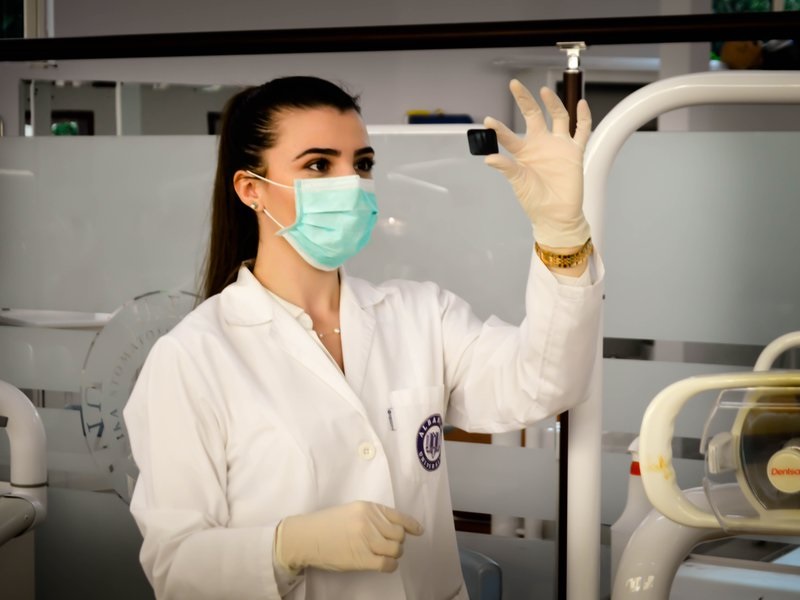
Important reasons people consider routine personal infection screening tests


Health testing is something many people postpone. Not because they ignore their health, but because daily life keeps moving. Work, family, other priorities. Medical checks sometimes wait until a symptom appears.
Still, doctors often see patients who come in without any symptoms at all. They simply want clarity about their health. That is usually where conversations about the STD test screening begin.
Some infections do not cause immediate signs. A person may feel completely normal for a long time. Because of that, screening becomes less about reacting to illness and more about understanding personal health earlier.
How infections spread through intimate contact
Certain infections pass from one person to another during close physical contact. These infections may affect the reproductive system or other parts of the body depending on the type.
One challenge is that many infections develop quietly in the beginning.
A person might not notice anything unusual for weeks or even months. In some cases there are no symptoms at all. That is one reason healthcare providers encourage screening rather than waiting for visible signs.
Different infections behave differently. Some are mild and treatable when detected early. Others may cause complications if they remain undiagnosed for a long time.
Which is why awareness becomes important.
Why early diagnosis supports effective treatment
Doctors often explain that early detection changes how easily infections can be managed. When conditions are identified sooner, treatment can usually begin before complications develop.
Early diagnosis may help with several things:
- Identifying infections that show no symptoms
- Starting treatment before health problems appear
- Preventing infections from spreading to partners
- Protecting long term reproductive health
For many people, taking an test is simply a step toward understanding their health status rather than waiting for symptoms.
Sometimes the result is reassurance.
What types of tests doctors usually recommend
Testing methods vary depending on the infection doctors are looking for. Some conditions require blood samples while others can be detected through urine or swab tests.
Common screening methods include:
- Blood tests used to detect viral infections
- Urine tests for certain bacterial infections
- Swab tests taken from specific areas when needed
- Combined screening during general medical evaluations
Most tests themselves are quick. The consultation beforehand usually helps determine which test is appropriate.
How private consultations help patients feel comfortable
Healthcare providers usually focus on a few things during these visits:
- Understanding the patient’s health background
- Explaining recommended tests
- Answering questions about possible infections
- Discussing what the testing process involves
Most clinics also maintain strict confidentiality when handling patient information.
Health screening is often about catching things early. Before complications appear, before small issues grow into something bigger.
Regular testing, including an STD test, supports responsible healthcare decisions while helping individuals protect both their personal wellbeing and the health of their partners.