SIGNS OF CHANGING VISION AND WHY REGULAR EYE EXAMS MATTER

Vision changes can occur gradually, and many people are unaware of a problem until it starts to interfere with daily tasks. Even seemingly little changes like the need for greater light, difficulty reading, or sporadic impaired vision might occasionally indicate an underlying eye disease. Clear vision can be preserved, and general eye health can be supported by being aware of these symptoms and scheduling routine eye exams.
Being aware of declining vision can help people recognize changes that deserve attention rather than assuming they are simply part of everyday tiredness or ageing. Subtle differences in sharpness, focus, light sensitivity, or the ability to see details can gradually affect reading, driving, and other routine activities. Paying attention to these changes and discussing them with an eye care professional can help determine whether corrective measures or further evaluation may be appropriate.
2. DIFFICULTY SEEING CLEARLY
One of the most prevalent indications of vision change is impaired or foggy vision. Regardless of how far away an object is, it may seem less crisp. While some people may find it more difficult to see road signs, others may realise that they must hold books or phones farther away to read comfortably. Frequent squinting or changing the reading material’s distance can also be signs that your vision needs to be examined.
3. CHANGES IN FOCUS AND LIGHT SENSITIVITY
When switching between bright and dim environments, a person’s eyes may take longer to adjust. Comfort and safety may be impacted by increased light sensitivity, glare while driving at night, or trouble seeing in dimly lit areas. When the eyes are having trouble focusing, it can also cause headaches or fatigued eyes after reading, using a phone, or working on a computer.
4. UNEXPECTED VISUAL SYMPTOMS
Certain modifications demand special attention. It is important to pay attention to any new flashes of light, an abrupt increase in floating spots, a black curtain-like area, double vision, or an abrupt loss of sight. Rather than waiting for a regular checkup, these symptoms may occasionally be linked to serious eye issues and call for an immediate professional evaluation.
5. WHY REGULAR EYE EXAMS ARE IMPORTANT
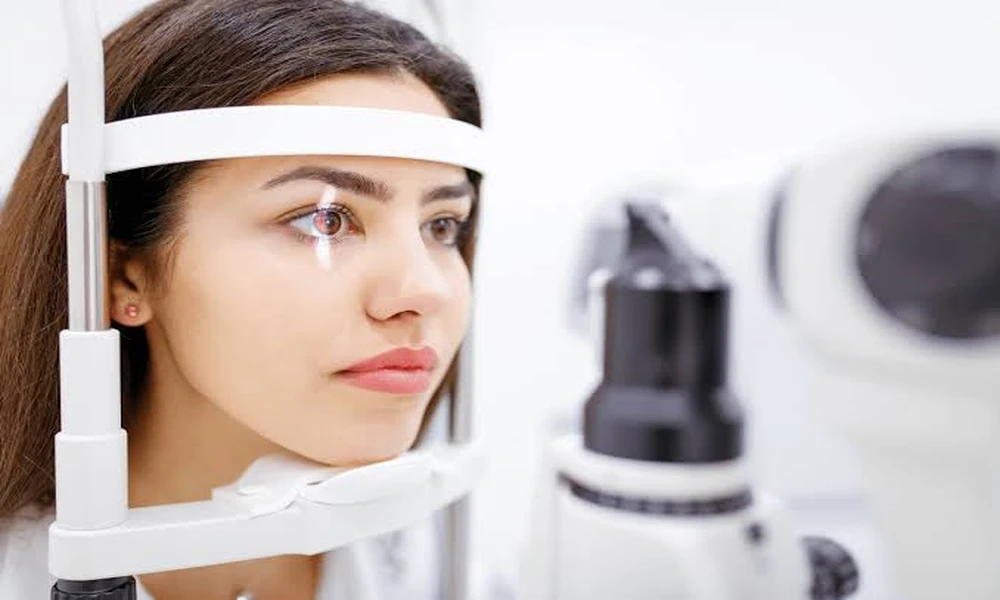
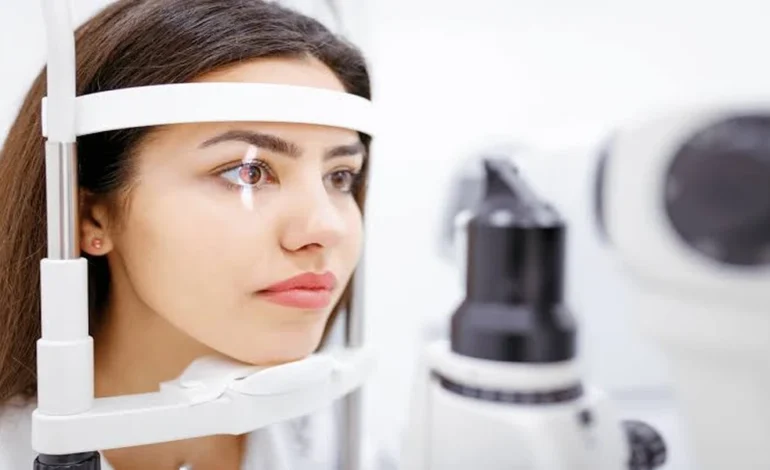
Eye examinations are useful even when vision appears normal. An eye care specialist can evaluate the condition of the structures inside and around the eyes as well as visual acuity. Certain eye conditions can take a long time to manifest and may not show any symptoms at first.
6. PROTECTING VISION OVER TIME
Age, current eye diseases, family history, overall health, and individual risk all influence when an eye exam should be performed. To make sure their prescription is still right, people who now wear glasses or contact lenses may also require routine examinations. Sensible practices that promote eye comfort in between sessions include avoiding needless eye rubbing, keeping the eyes from damaging sunlight, and using suitable lighting.
7. CONCLUSION
Vision changes should not be written off as a typical aspect of aging or fatigue. Seeking expert assistance may be necessary in cases of blurred vision, difficulty focusing, extraordinary light sensitivity, and abrupt visual disruptions. Frequent eye exams offer the chance to keep an eye on vision and identify potential issues early. People can take proactive measures to ensure pleasant and functional vision for years to come by keeping an eye out for changes and including eye care into their daily routine.