Preventive Dentistry Habits That Protect Your Smile
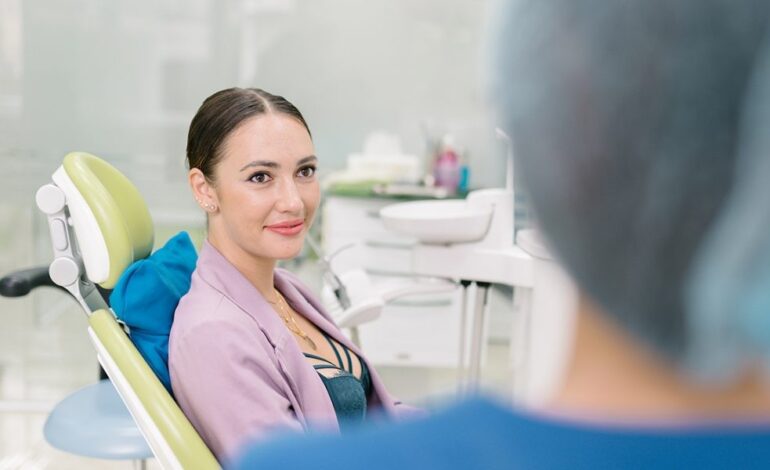

Preventive dentistry is an approach to maintaining healthy teeth and gums, with the goal of avoiding dental issues before they begin. With simple daily habits and regular dental check-ups, you can protect your smile and reduce the need for costly treatments in the future-especially when visiting a dentist near me for consistent preventive care.
Clean Your Teeth Once, twice, three times every day.
Good oral hygiene is based on brushing your teeth at least three times per day. Clean teeth with a soft-bristle toothbrush and fluoride toothpaste to eliminate plaque and food particles. Be sure to spend at least two minutes brushing all the surfaces of your teeth, including the back molars and the gumline.
Don’t Skip Flossing
Flossing is necessary to clean the places that the toothbrush does not reach. It aids in eliminating food and matter in between teeth and beneath the gums, lowering the chance of cavities and gum disease. Flossing on a daily basis is important in sustaining oral health in the long term.
Eat Healthily.
Diet is directly related to your dental health. Restrict the consumption of sugary snacks, acidic beverages, and processed food, which are contributory factors to tooth decay. Rather, add foods that contain large quantities of calcium, vitamins, and minerals, like dairy products, leafy greens, and fruits, to make your teeth and gums stronger.
Stay Hydrated
Taking lots of water will rinse away particles of food in your mouth and bacteria. It also encourages the production of saliva which is naturally the way to protect your teeth by neutralising acids and avoiding decay.
Arrange Routine Dental Examinations.
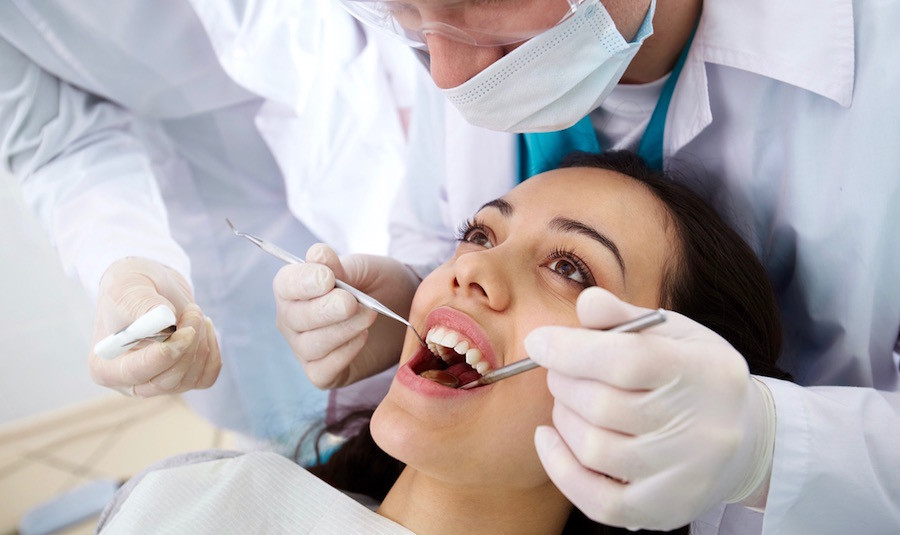
Regular check-ups with the dentist are important to detect and prevent oral problems at an early stage. Professional cleanings help to remove the accumulation of tartar that cannot be removed by brushing only. Dentists are also able to detect issues such as cavities, gum disease, or oral infections before they get serious.
Apply Fluoride and Dental Sealants.
Fluoride makes the enamel of the teeth stronger and cavity-resistant. Fluoride is present in many toothpastes and mouth rinses to be used daily. Dental sealants are frequently used in children and they offer added protection in the molars’ chewing surfaces to curb the chances of decay.
Avoid Harmful Habits
Smoking, chewing tobacco or biting nails may cause damage to your teeth and gums. The use of tobacco (especially) predisposes individuals to gum disease, loss of teeth, and oral cancer. To have a healthy smile, it is important to avoid these habits.
Keep Your Teeth Safe in the Process.
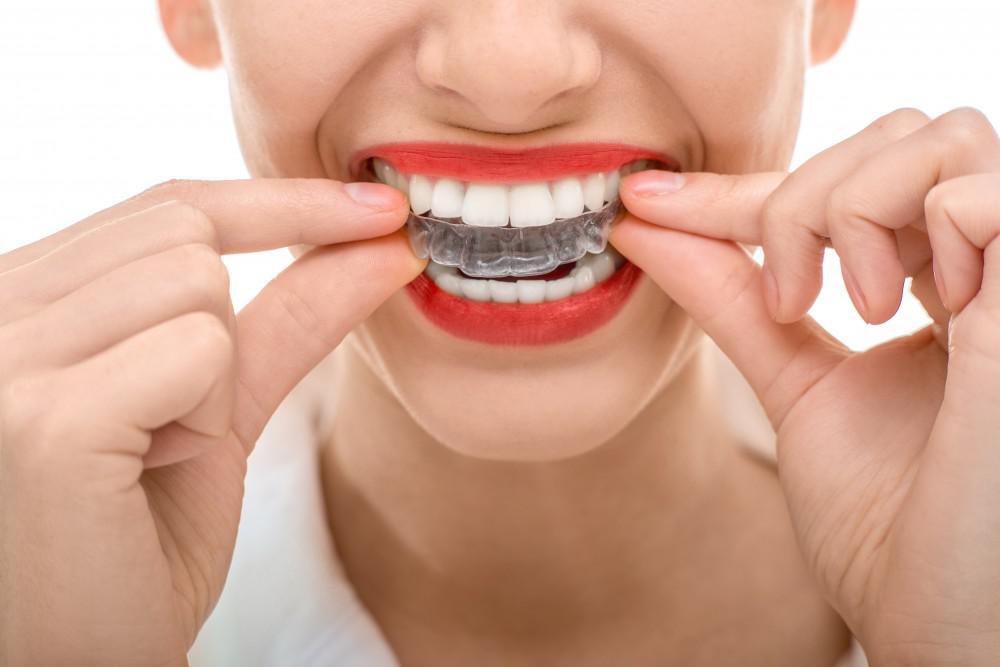
Wearing a mouthguard can also keep you out of harm like broken or knocked-out teeth in case you are playing sports or doing any other physical activity. This is a simple precaution that will help you to save from painful and expensive dental emergencies.
Change Toothbrush Now and Then.
An old toothbrush has less capability to clean your teeth. The toothbrush should be replaced after every three to four months or sometimes when the bristles are worn out. This makes sure that it cleans best and improves oral health.
Be Mindful of Red Flags.
Bad breath, tooth pains, bleeding of gums, and tenderness of gums should not be overlooked. These may be the initial indications of the problem with teeth that must be addressed. Early care is useful in ensuring that little issues do not escalate to big ones.