
Why Do People Avoid Dentists? Understanding the Fear Behind Dental Visits
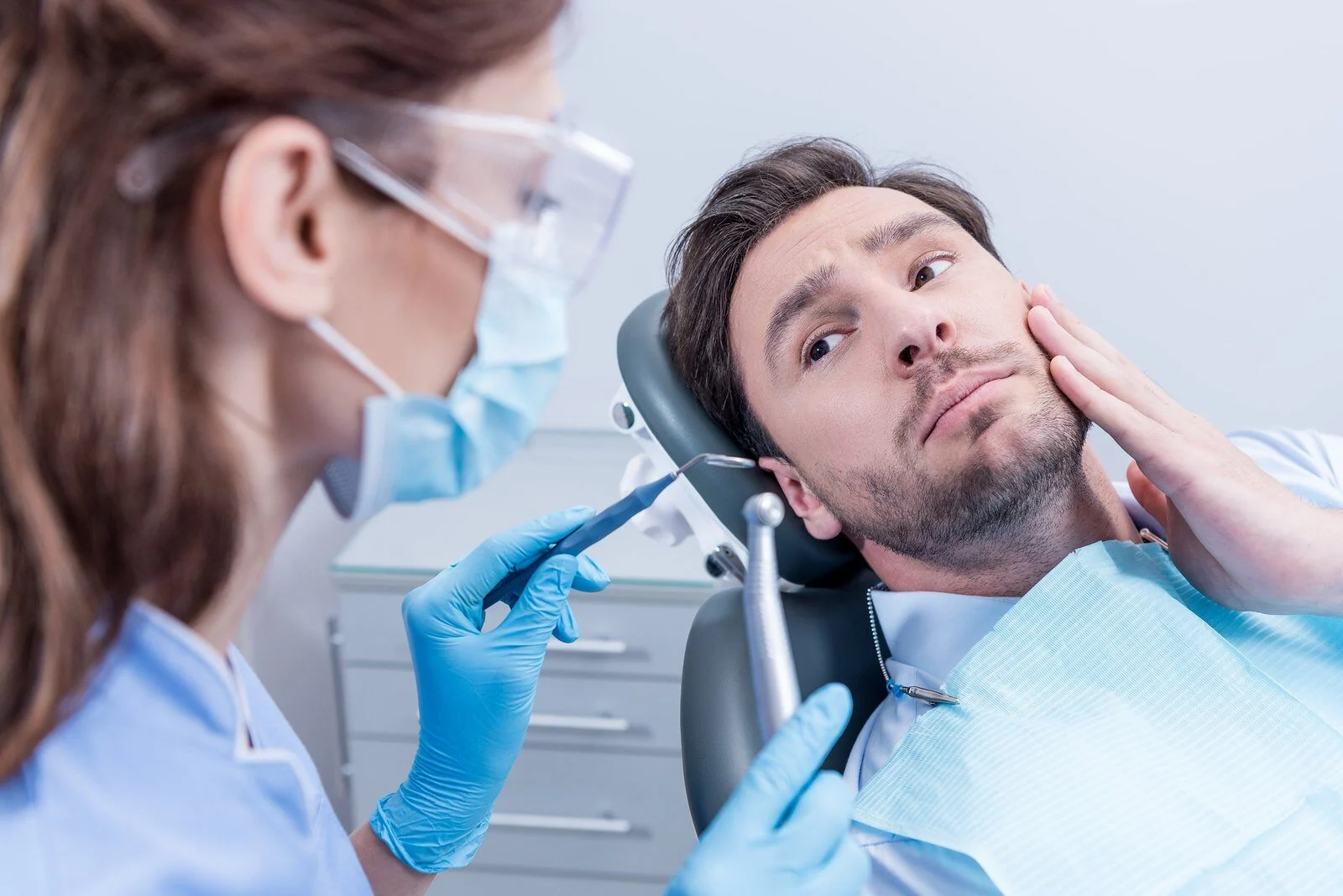

Many people feel nervous about going to the dentist. For some, it’s a mild worry, but for others, it can cause strong fear and lead them to avoid dental care completely. Even though people know that dental visits are important for their health, this fear can still stop them from making an appointment. The reasons are often emotional, personal, and sometimes based on misunderstandings.
Why Dental Fear Happens
Dental fear and anxiety can look different for everyone. Some people feel uncomfortable only during the appointment, while others are so afraid that they stay away from the dentist for years. Avoiding care, even when searching for the best dentist near me, can make oral problems worse and may even affect overall health, so it’s helpful to understand where this fear comes from.
A major cause is past bad experiences. Many people had painful or scary dental visits as children or felt that the dentist did not listen to them. These memories can stay with them and make them associate dental offices with pain or stress. The sounds and sensations of dental tools, like the dental drill, can also bring up anxiety.
Another reason is the fear of pain itself. Some people become anxious just thinking about discomfort, even if the procedure will not actually hurt. These emotional reactions show that dental fear is complicated and needs understanding from both patients and dental professionals.
Clearing Up Common Myths
Many fears come from myths or stories people hear. Common myths include:
- “Dental procedures always hurt.”
- “Dental care is always too expensive.”
In reality, modern dentistry uses numbing methods that make most procedures nearly painless. Regular checkups prevent problems before they become serious. And many clinics offer payment plans or insurance options to help with costs.
What Makes People Avoid the Dentist?
Different people avoid dental care for different reasons. Some worry because they don’t understand dental procedures. Others have financial concerns or busy schedules. Social media can make things worse by spreading negative stories or exaggerated videos of dental treatments. While these posts get attention, they do not represent the typical dental experience. Reliable information from trusted health sources is much more helpful.
The Consequences of Avoiding Dental Visits
Skipping dental appointments can lead to big problems. A small cavity can turn into an infection, and plaque buildup can lead to gum disease. In the long run, untreated issues may require more complex and expensive treatments.
Dental health is also linked to overall health. Research shows that gum disease can increase the risk of heart disease, diabetes and other health problems. Poor oral health can also hurt confidence, making people hesitate to smile or speak freely.
Conclusion
Dental fear is common, but it does not have to stand in the way of good health. Understanding the causes of anxiety, finding a supportive dentist, and using simple coping techniques can make dental visits much easier. Caring for your teeth not only protects your smile but also supports your overall well-being.