Glass Ionomer Fillings: A Versatile and Durable Solution for Tooth Decay
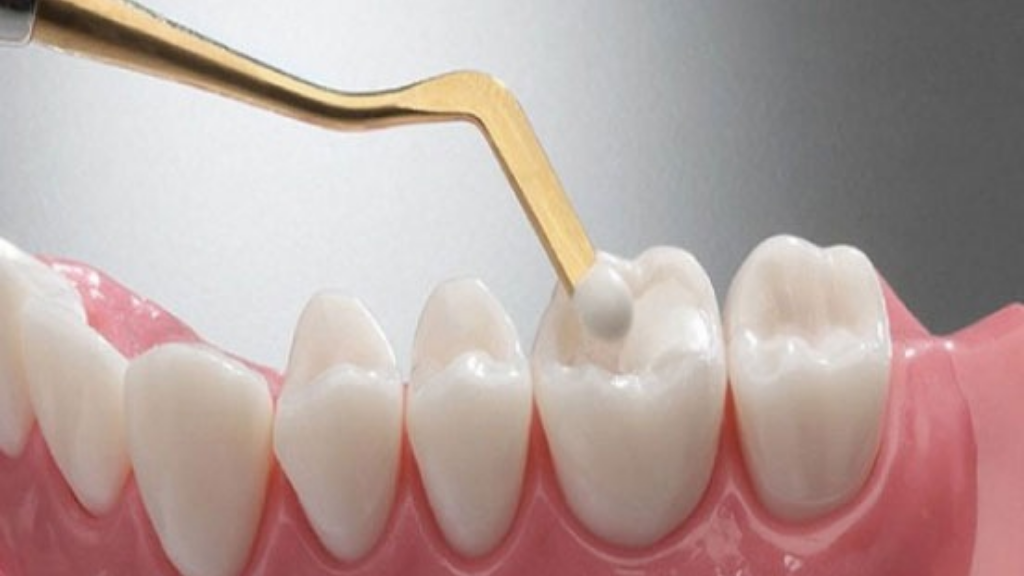

Glass ionomer fillings have been a cornerstone of restorative dentistry for decades, offering a unique combination of benefits that make them an ideal choice for a wide range of applications. With their ease of placement, non-toxic properties, and ability to prevent tooth decay, Glass Ionomer fillings remain a popular choice among dentists and patients alike.
In this article, the dentist in Easton, MA will delve into the world of glass ionomer fillings, exploring their composition, clinical applications, and benefits.
What are glass ionomer fillings composed of?
Glass ionomer fillings are made from a mixture of:
1. Glass powder (silicate glass)
2. Polyacrylic acid
3. Water
The glass powder is typically made from a combination of silicon dioxide, aluminum oxide, and calcium oxide. Polyacrylic acid is a liquid that reacts with the glass powder to form a gel-like substance, which hardens to create the filling material.
What are the clinical applications of glass ionomer fillings in dentistry?
Glass Ionomer fillings have a wide range of clinical applications, including:
- Primary teeth: Glass Ionomer fillings are commonly used in pediatric dentistry for filling primary teeth due to their ease of placement and fluoride release.
- Non-load bearing teeth: Glass Ionomer fillings are suitable for non-load bearing teeth, such as front teeth, due to their aesthetic appeal and ability to bond to tooth structure.
- Temporary fillings: Glass Ionomer fillings can be used as temporary fillings until a permanent restoration can be placed.
- Cervical lesions: Glass Ionomer fillings are effective for filling cervical lesions, such as those caused by decay or erosion.
- Root caries: Glass Ionomer fillings can be used to fill root caries lesions, especially in older adults.
- Tooth sensitivity: Glass Ionomer fillings can be used to treat tooth sensitivity due to their ability to block dentinal tubules.
- Aesthetic restorations: Glass Ionomer fillings can be used for aesthetic restorations, such as filling teeth that are visible when smiling.
- Liners and bases: Glass Ionomer fillings can be used as liners and bases under other restorative materials, such as composite or amalgam.
- Geriatric dentistry: Glass Ionomer fillings are often used in geriatric dentistry due to their ease of placement and ability to bond to tooth structure.
- Special needs patients: Glass Ionomer fillings can be used for special needs patients who may have difficulty tolerating more complex dental procedures.
What are the benefits of glass ionomer fillings?
Benefits of glass ionomer fillings include:
- Fluoride release: Glass ionomer fillings release fluoride, which helps prevent tooth decay and strengthen surrounding teeth.
- Bonding: Glass ionomer fillings bond chemically to the tooth structure, creating a strong and durable restoration.
- Aesthetics: Glass ionomer fillings match the natural color of teeth, making them suitable for visible teeth.
- Non-toxic: Glass ionomer fillings are biocompatible and non-toxic.
- Easy to place: Glass ionomer fillings are relatively simple to place, requiring minimal preparation.
- Less sensitivity: Glass ionomer fillings can reduce tooth sensitivity due to their ability to block dentinal tubules.
- Cost-effective: Glass ionomer fillings are generally less expensive than composite fillings.
- Long-lasting: Glass ionomer fillings can last for many years with proper care and maintenance.
- Antibacterial properties: Glass ionomer fillings have been shown to have antibacterial properties, which can help prevent secondary caries.
- Versatile: Glass ionomer fillings can be used for a variety of dental applications, including fillings, crowns, and liners.
Bottom line
Glass ionomer fillings offer a unique combination of benefits, making them a versatile and durable solution for tooth decay. While they may not be suitable for all applications, their advantages make them an ideal choice for a wide range of clinical situations. By understanding the composition, advantages, limitations, and clinical applications of glass ionomer fillings, dentists can provide their patients with high-quality, long-lasting restorations.