Ceramic vs cotton coils: Why your cart tastes burnt
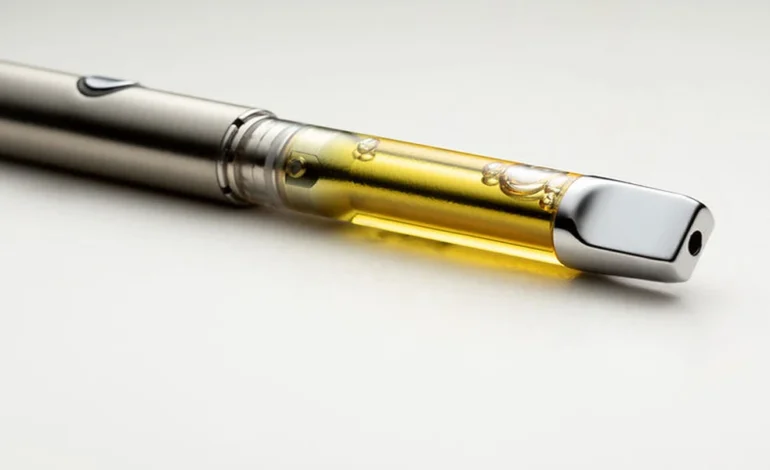

What causes a burnt taste?
Scorching happens when the coil fires without enough oil in the heating zone, charring the wick or baking old residue into carbon. That carbon layer flavours every draw afterwards with the harsh bitterness users recognise instantly.
- Wick saturation drives the entire issue, and several conditions drain it faster than oil can return.
- Thick extract crawls through feed holes slowly, leaving dry patches that ignite under the next firing.
- Rapid consecutive puffs consume oil more quickly than the reservoir resupplies the heating chamber.
- Ageing cartridges develop a residue film that toasts repeatedly until permanent carbon forms.
Material matters once these conditions strike. Anyone comparing legal THC vape pens side by side finds cotton reaching the charring point far sooner, since organic fibre blackens at temperatures porous ceramic absorbs without harm. Ceramic still scorches surface residue when pushed, yet the body underneath survives for another session. Cotton offers no second chance, as burnt fibre stays burnt.
Which coil performs better?
Ceramic leads for oil cartridges on nearly every count, holding even heat, resisting carbon, and lasting several times longer than fibre. Cotton keeps a single narrow edge through marginally brighter flavour in its opening days.
- Heat spread – Ceramic warms across its whole surface at once, while cotton develops hot spots that scorch one strand as others stay cool.
- Endurance – Fibre wicks darken and mute within weeks of steady use, whereas ceramic elements hold output for months.
- Dense oil wicking – Micro pores draw slow extracts inward reliably, cutting dry hits that plague cotton with heavy formulas.
- Taste stability – Early cotton brightness collapses as fibre degrades, and ceramic delivers the same clean profile from first draw to last.
Premium hardware shifted almost entirely toward ceramic construction on the strength of these results, leaving fibre coils mostly in budget builds.
Habits that scorch coils
Routine choices burn more carts than defects. Draws stretched past five seconds heat any element beyond what incoming oil cools, and elevated voltage cooks dense extract before it spreads across the wick surface.
Temperature handling matters just as much as puffing style. Cold rooms stiffen the extract until it barely moves, so firing immediately afterwards pits the coil against oil that cannot flow. Warming a device in a pocket for a few minutes restores circulation. Running the tank to its final drops causes matching harm, since exposed wick sections fire against nothing. Setting a cart aside at the last visible millimetre spares the coil from that fate entirely.
Fixing burnt flavour fast
Rescue succeeds or fails on material. Rest a ceramic cart for several hours, let the pores refill, then clear surface residue through a handful of gentle, low-power draws.
Cotton grants no recovery once carbonised, no matter the waiting period. Unpowered priming pulls, taken without pressing the fire button, help borderline coils of both kinds by moving fresh oil forward. Minimum voltage for the following sessions burns light ceramic film away without deepening the injury. Bitterness that outlives every remedy means the coil is finished, and picking ceramic hardware for the replacement postpones the next occurrence considerably.