
Yoga Classes Online to Build Strength and Relax at Home
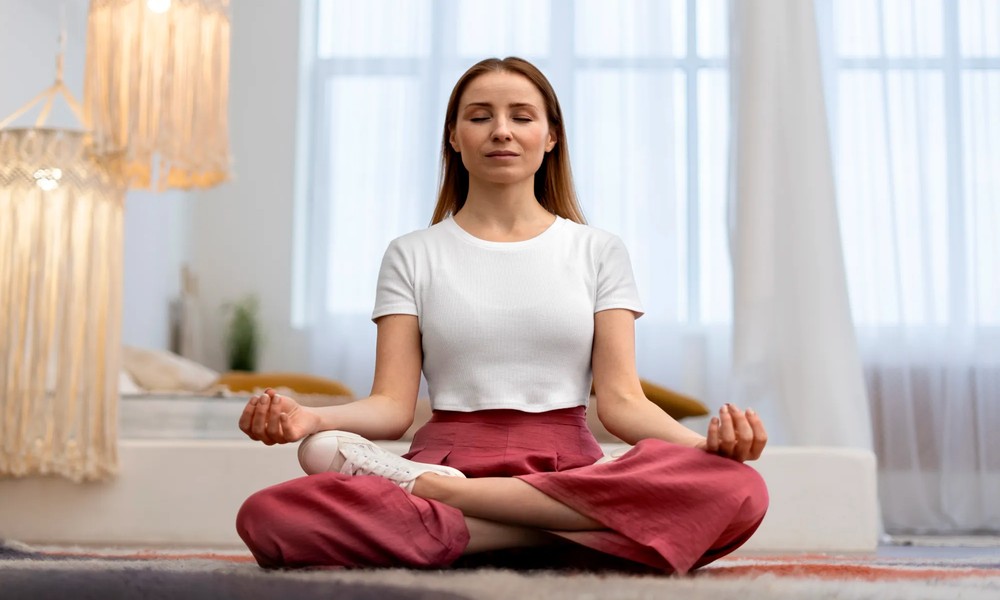

For people balancing busy schedules, long commutes, and screen-heavy workdays, building a consistent wellness routine can feel difficult. That’s one reason yoga classes online have become a go-to option for improving strength, mobility, and relaxation without needing a studio membership or rigid class times. With the right structure, online yoga can support a stronger body, a calmer mind, and better day-to-day energy-right from home.
One of the biggest advantages of yoga classes online is flexibility. A person can choose short sessions on busy weekdays and longer flows on weekends, making it easier to stay consistent. Consistency matters because yoga works best when it’s repeated often enough for the body to adapt-hips loosen gradually, the core becomes more stable, and posture improves over time. Instead of trying to “stretch harder,” online practice encourages steady progress through small, manageable sessions.
How Online Yoga Builds Real Strength
Yoga isn’t only about flexibility. Many sessions include holds and transitions that challenge major muscle groups-glutes, legs, shoulders, back, and core. Plank variations, Chair Pose, Warrior sequences, and controlled vinyasa transitions build endurance and stability. Over time, a routine of yoga classes online can improve balance, reduce stiffness, and make everyday movements feel easier, especially for people who sit for long hours.
Relaxation Benefits That Fit Modern Life
Online yoga also supports relaxation by combining movement with breath awareness. Slower flows, longer exhales, and grounded poses signal the body to unwind. That’s especially useful after stressful workdays, travel, or intense workouts. Even 15-20 minutes can help reduce tension in the neck, shoulders, and hips-areas that commonly tighten from desk posture and daily stress.
What To Look For When Choosing Online Classes
Not all online yoga is the same. A well-designed program usually offers:
- Clear instructions and form cues for beginners
- Modifications for tight hips, sore knees, or limited mobility
- A mix of strength-focused flows and recovery-focused sessions
- Options for different goals, like flexibility, core strength, or stress relief
It also helps when sessions are organized by time and intensity so people can choose what fits their day. To support structured movement and recovery, many learners explore online yoga classes to maintain a consistent, goal-driven practice.
A Simple Weekly Plan That Stays Realistic
A sustainable plan doesn’t have to be complicated. Many people do well with:
- 2-3 days per week: strength-focused flow (20-30 minutes)
- 1-2 days per week: mobility and flexibility session (15-25 minutes)
- 1 day per week: slow flow or restorative yoga (20-40 minutes)
This balance supports progress without overtraining. It also prevents the common mistake of doing only stretching while skipping strength and stability.
Making The Habit Stick At Home
The easiest way to stay consistent is to reduce friction. A person can keep a mat ready, choose a regular time (morning, lunch break, or evening), and start with shorter sessions to build momentum. Over time, yoga classes online become less of a task and more of a reliable reset. For those who want a single place to begin, o-p-e-n.com offers movement-focused sessions that can support both strength and relaxation without needing special equipment.
With the right routine, online yoga can be a practical, repeatable way to feel stronger, move better, and unwind-one class at a time.