Psychological Effects of Common Skin Conditions
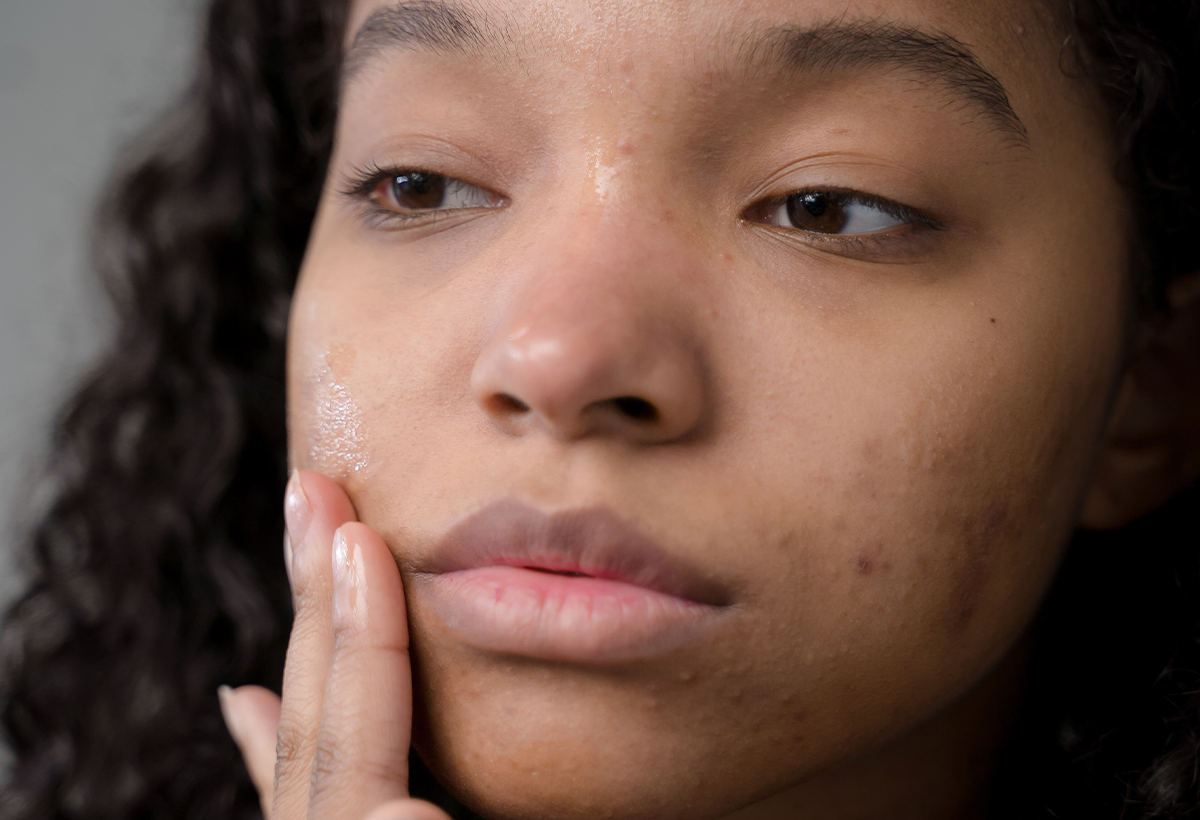

Many people in the UK live with visible dermatological issues like psoriasis, eczema, and acne. The distress caused by these problems often goes much deeper than the skin’s surface. Research shows a clear and significant link between dermatological and psychological health.
Studies consistently reveal that patients with visible skin conditions report a poorer quality of life. Their psychosocial functioning scores are often lower compared to those without such issues. The connection is so strong that experts like The Psychodermatologist specialise in this complex interplay.
For instance, research has quantified the risks. The data shows that the risks of depression, anxiety, and suicidality attributable to a condition like psoriasis are measurable per 1000 person-years. This highlights that these are not merely cosmetic concerns but serious medical issues.
This article explores how these visible conditions can alter a person’s self-perception and social interactions. While physical symptoms are treated, the parallel psychological impact requires equal attention for true improvement in a patient’s life.
Key Takeaways
- Visible skin problems can have a profound effect on mental wellbeing.
- The link between dermatological and psychological health is well-established by research.
- Patients often experience a significantly lower quality of life.
- Risks for conditions like depression and anxiety are measurably higher.
- Specialised approaches are needed to address both physical and mental aspects.
- Improving life satisfaction requires treating the mind as well as the skin.
Introduction: Understanding Skin Conditions and Their Psychological Impact
Visible dermatological problems affect a significant portion of the British population, carrying implications that reach far deeper than surface-level symptoms. Conditions like psoriasis, eczema, and acne manifest differently across various patient groups, creating unique challenges for each individual.
Overview of Skin Conditions and Mental Health Implications
These dermatological issues frequently trigger a bidirectional relationship with mental health. The distress from visible symptoms can worsen psychological wellbeing. Conversely, existing stress or anxiety may intensify skin flare-ups.
Patients often experience impacts comparable to other chronic diseases. The burden extends beyond cosmetic concerns to affect daily functioning and overall quality of life.
Importance of Addressing Social and Emotional Wellbeing
Social interactions become challenging for many patients. They may develop avoidance behaviours, limiting participation in work or recreational activities. Facial conditions typically create more severe challenges than those affecting covered areas.
Effective dermatology practice must address both physical and psychosocial aspects. A comprehensive approach recognises how skin disease influences self-perception and social navigation.
| Factor | Impact Level | Common Challenges |
|---|---|---|
| Facial Lesions | High | Social anxiety, employment difficulties |
| Covered Areas | Moderate | Intimacy issues, clothing restrictions |
| Younger Patients | High | Bullying, self-esteem issues |
| Chronic Conditions | Severe | Depression, isolation |
Psychological Effects of Common Skin Conditions
Dermatological conditions often carry hidden psychological burdens that influence self-worth and daily interactions. Research identifies acne as a significant psycho-traumatic factor, particularly when visible on the face.
Young patients with moderate to severe acne frequently experience emotional challenges comparable to chronic illnesses. The subjective severity directly correlates with self-esteem levels and body image concerns.
Psoriasis creates distinct emotional hurdles for affected individuals. Many researchers note this skin disorder adversely impacts self-esteem, accompanied by feelings of shame and social stigma.
Studies indicate some psoriasis patients experience near-absent self-esteem. The visible nature of lesions significantly influences the psychological impact on daily life.
Eczema and atopic dermatitis present similar challenges, particularly for younger patients. Children and adolescents developing their identity under these conditions face increased anxiety and depression risks.
Visible symptoms often lead people to restrict social activities and intimate relationships. This avoidance behaviour stems from fear of judgment about their skin condition.
Many individuals develop anticipatory anxiety about symptom flares. This creates ongoing distress even during remission periods, demonstrating the persistent nature of dermatitis-related challenges.
Research and Statistics on Psychosocial Impacts
Quantifiable research data provides compelling evidence for the profound psychosocial burden associated with dermatological disorders. A significant study published in the European Academy of Dermatology and Venereology analysed attributable risks for psoriasis patients.
The data revealed depression risks of 11.8 per 1000 person-years across all psoriasis cases. For severe cases, this risk doubled to 25.5. Anxiety risks remained consistently high at 8.1.
Key Findings from Recent Studies
Another investigation involved 162 adult participants. It compared those with severe facial acne, non-visible conditions, and a control group. All dermatological patients showed lower self-esteem than controls.
Those with visible acne demonstrated the poorest scores. Their perceived social support was significantly reduced both before and after treatment. This highlights how visibility intensifies the psychological impact.
Implications for Dermatological Practice
These research findings have clear implications for clinical dermatology. Successful treatment that improves physical symptoms often enhances psychological wellbeing. Articles increasingly advocate for integrated care models.
The evidence suggests that screening for depression and anxiety should become standard. Addressing both aspects is crucial for improving overall quality of life. Patient-centred approaches that consider subjective experience are essential.
Managing Patient Expectations in Dermatological Care
Effective dermatological care requires careful management of patient expectations alongside clinical treatment strategies. Clinicians possess extensive knowledge of available options and objective measurement tools. However, patients bring their own priorities and hopes to the consultation room.
Successful treatment management involves recognising this divergence. What clinicians consider improvement based on clinical measures may differ from patient perspectives. Family opinions and social confidence often weigh heavily in satisfaction assessments.
Setting Realistic Treatment Outcomes
Initial conversations before treatment begins are crucial. Dermatologists should discuss what realistically can be achieved. This includes expected degrees of symptom improvement, likely success rates, and treatment timelines.
Asking patients about their most desired outcomes creates alignment opportunities. Some prioritise visible symptom reduction, while others seek comfort or social ease. Understanding these preferences guides expectation management.
Realistic expectations improve treatment compliance throughout the course of therapy. Patients who understand potential benefits and limitations adhere better to regimens. They also know when to seek alternative approaches.
Focusing on quality of life enhancement rather than complete symptom elimination reduces pressure. This approach fosters positive therapeutic relationships while addressing patient needs effectively.
Role of Medical Professionals and Support Systems
The collaboration between medical specialists and support networks creates comprehensive care pathways for dermatology patients. Dermatologists provide crucial medical treatment while recognising when additional support is needed.
Other healthcare professionals form an essential team around each patient. Nurses, counsellors, and mental health specialists offer different types of assistance. This multidisciplinary approach addresses both physical symptoms and emotional challenges.
Innovative Approaches in Dermatology
Modern dermatological practice integrates psychological screening into standard care. This helps identify patients who may benefit from mental health support. Early intervention can prevent more serious issues from developing.
Healthcare teams now use coordinated care models for chronic skin diseases. These approaches consider the whole person, not just their symptoms. Patients receive more holistic treatment that improves their overall health.
Contributions from Surgical Arena Ltd
Surgical Arena Ltd supports dermatological professionals with advanced treatment options. They provide educational resources that help medical teams deliver better care. Their integrated frameworks acknowledge both physical and psychological dimensions.
Family members and friends play vital roles in patient outcomes. Strong social networks help individuals cope with treatment challenges. Patients with good support systems often maintain better health.
| Support Type | Provider | Key Benefits |
|---|---|---|
| Medical Treatment | Dermatologists | Symptom management, clinical care |
| Emotional Support | Mental Health Professionals | Coping strategies, anxiety reduction |
| Practical Assistance | Nurses & Family | Daily care, treatment adherence |
| Educational Resources | Healthcare Organisations | Information access, self-management |
The Value of Psychological Acceptance and Resilience
Living well with persistent dermatological issues involves a fundamental shift in perspective from symptom eradication to life enhancement. This approach recognises that complete resolution may not always be possible, even with effective treatment.
Patients can experience greater satisfaction by acknowledging that some symptoms might remain or recur. This acceptance allows individuals to pursue a meaningful life not overly limited by their condition’s potential presence.
Embracing Imperfection and Life Beyond Symptoms
A crucial distinction exists between symptoms themselves and the impairment they cause. Some patients experience severe symptoms without significant life limitation, while others feel greatly impaired by milder manifestations.
Clinicians can encourage patients to actively refuse unnecessary limitations rather than passively resigning to them. Asking “What would you do if you didn’t have these symptoms?” helps redefine personal possibilities.
Building resilience involves understanding that tolerating some discomfort may enable pursuit of more rewarding goals. This shifts focus from symptom elimination to quality of life enhancement.
Acceptance becomes liberation when patients realise their condition need not rule their existence. This perspective empowers individuals to live fully while managing their dermatological challenges.
Using Patient-Centred Communication for Better Outcomes
Strategic communication approaches can transform how individuals navigate the social challenges of visible dermatological issues. Effective dialogue helps patients feel more comfortable in public situations where questions about their appearance may arise.
Many patients restrict their social engagement because they lack prepared responses. They feel unsure how to explain their visible symptoms to others. Clinicians can help by discussing appropriate ways to address common concerns.
This preparation is particularly valuable when facing questions about contagion or appearance. Patients learn they can choose to share information or set boundaries. This empowerment enhances their overall quality of life.
Successful communication involves two-way conversations about treatment expectations. Clinicians should ask what outcomes matter most to each individual. Some prioritise symptom reduction, while others seek improved social confidence.
| Communication Approach | Patient Benefit | Clinical Outcome |
|---|---|---|
| Prepared Response Coaching | Increased social confidence | Better treatment adherence |
| Expectation Exploration | Clear treatment goals | Higher satisfaction rates |
| Boundary Setting Guidance | Reduced anxiety | Improved mental wellbeing |
| Symptom Explanation Training | Enhanced social participation | Comprehensive care success |
Understanding the patient’s lived experience allows for tailored support. This approach addresses how dermatological conditions specifically limit each person’s life. It moves beyond standardised protocols to meet individual needs.
When patients feel heard and equipped with communication tools, they engage more fully in their treatment. This collaborative approach validates their experience and reduces isolation. It represents fundamental progress in dermatological care.
Emerging Trends in Psychodermatology Treatment
The field of dermatology is undergoing a significant transformation as it increasingly recognises the inseparable link between skin health and mental wellbeing. Traditional approaches that focused solely on physical symptoms are giving way to more holistic models. These new frameworks address the entire patient experience.
There is growing acknowledgement that psychiatric issues frequently accompany skin diseases. This comorbidity requires systematic attention within clinical practice. Integrated screening for anxiety and depression is becoming a standard part of dermatological care.
Integrating Mental Health with Dermatology
Modern treatment approaches now combine pharmacological management with psychological support. Techniques like cognitive-behavioural therapy and mindfulness are used alongside medical treatments. This dual approach helps patients manage conditions such as psoriasis and severe acne more effectively.
Collaborative care models are emerging where dermatologists work directly with mental health professionals. These partnerships create clear pathways for patients to receive comprehensive support. The biopsychosocial model acknowledges how biological, psychological, and social factors all influence outcomes.
Emerging research suggests that addressing psychological aspects can improve physical symptom control. Reduced stress levels may positively impact disease activity. Integrated approaches thus offer benefits for both mental and physical health.
Technological advances are also expanding access to support. Telemedicine and digital tools provide psychological resources to patients in areas with limited services. These innovations represent the future of patient-centred dermatological care.
Insights from The Psychodermatologist
Specialist perspectives from psychodermatology reveal critical insights into how dermatological conditions shape patient experiences across different life stages. The Psychodermatologist, a leading authority, specialises in evidence-based integrated care approaches that address both physical symptoms and mental wellbeing.
Expert Perspectives on Managing Psychosocial Impacts
The timing of symptom onset significantly influences psychological impact. When conditions like acne or psoriasis begin in childhood or adolescence, they affect self-concept development during formative years. Young people become particularly vulnerable to appearance-related concerns during this critical period.
Experts emphasise the bidirectional relationship between skin conditions and psychological distress. Stress and negative emotions can trigger or worsen disorders like psoriasis. Meanwhile, visible symptoms create additional psychological burden for patients.
For acne management, specialists acknowledge this condition affects more than physical appearance. It impacts self-esteem, social confidence, and relationships, especially among adolescents. Facial involvement typically creates more severe social anxiety than conditions affecting covered areas.
Social support plays a crucial role in patient outcomes. Research shows adequate support from family, friends, and others improves quality of life. It may even influence the physical course of the disorder itself.
Stress management and psychological interventions complement medical treatment effectively. These approaches can reduce symptom exacerbations in conditions where stress is a known trigger. Surgical Arena Ltd supports such integrated approaches through educational resources for healthcare professionals.
Tailoring support to individual needs is essential. Factors including age, sex, and lesion location require consideration. Standardised approaches often prove insufficient for addressing diverse patient experiences.
| Influencing Factor | Psychological Impact Level | Recommended Approach |
|---|---|---|
| Early Age of Onset | High | Developmental support programmes |
| Facial Lesions | Severe | Combined medical and social anxiety treatment |
| Limited Social Support | Moderate to High | Support network building strategies |
| Stress-Related Triggers | Variable | Integrated stress management techniques |
These expert perspectives highlight the need for comprehensive care models. They address how dermatological conditions specifically limit each person’s life experience. This approach moves beyond standardised protocols to meet individual patient needs effectively.
Conclusion
Moving beyond traditional treatment models, modern dermatology embraces the interconnected nature of skin health and life satisfaction. This integrated approach acknowledges that visible conditions like psoriasis and acne affect more than physical appearance.
Effective care involves clear communication about realistic treatment outcomes from the outset. Setting proper expectations helps patients throughout their care course and improves adherence to recommended support strategies.
Building resilience and coping skills enables individuals to pursue meaningful lives despite ongoing symptoms. The focus shifts from complete symptom elimination to enhancing overall quality of life for people with dermatological diseases.
True healing occurs when patients receive comprehensive support that addresses both their skin condition and emotional wellbeing.
FAQ
How can skin conditions like psoriasis and eczema affect a person’s mental health?
Conditions such as psoriasis and atopic dermatitis can have a profound psychological impact. Many patients experience anxiety, depression, and low self-esteem due to the visibility of their disease. This can affect their social life and overall quality of life, making mental health support an essential part of treatment.
What is the role of a dermatologist in managing the psychological aspects of skin disease?
A dermatologist’s role extends beyond prescribing treatment for the skin. They are crucial in identifying the psychosocial impact on patients. Many now use tools like the Dermatology Life Quality Index (DLQI) to measure this impact and may collaborate with mental health professionals to provide holistic care.
Are there specific support systems available for people struggling with the emotional burden of a skin disorder?
A> Yes, support is available. Patients can access resources from organisations like the British Skin Foundation. Furthermore, companies such as Surgical Arena Ltd contribute by developing educational materials that help patients and their families better understand and manage the condition’s daily challenges.
Can effective management of a skin condition improve a patient’s quality of life?
Absolutely. Successful management of the disease, which may involve a combination of medical treatment and psychological support, often leads to significant improvements. Patients frequently report reduced stress and a better quality of life as their physical symptoms and self-confidence improve.
What are some emerging trends in treating the psychological effects of skin conditions?
The field of psychodermatology is growing rapidly. Emerging trends focus on integrating mental health care directly into dermatology practice. This includes mindfulness programmes, cognitive behavioural therapy, and patient-centred communication strategies designed to address the emotional and social wellbeing of patients.