Female TCM in Singapore and the “Confinement Economy”

New mothers in Asia, for generations, have observed a confinement period, a month-long stretch of rest, nourishment, and protection after childbirth. This tradition has not faded in Singapore but transformed into something bigger: the “confinement economy.” It now includes confinement nannies, meal delivery services, herbal care, and postpartum wellness packages. At the centre of this growing industry is female TCM in Singapore, where women practitioners are helping other women navigate recovery with expertise that feels both traditional and deeply relevant to modern life.
The Growing Confinement Economy
What used to be a family-managed practice has become a business ecosystem worth millions. Today, confinement care extends far beyond home-cooked soups and household helpers. Mothers can order specially prepared meals infused with herbs, book lactation consultations, or sign up for postpartum spa therapies. This demand is fuelled by rising incomes, smaller household sizes, and an increasing awareness of the long-term health risks of inadequate recovery. Female TCM doctors are finding their place within this economy by adding medical depth to services that may otherwise rely on folklore or informal practice. Their involvement ensures that tradition is not just preserved but also professionalised.
Female TCM Practitioners and Postpartum Recovery
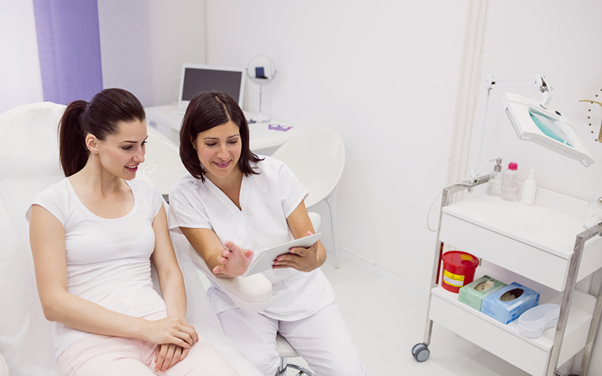
Female TCM practitioners bring a layer of empathy and relatability to confinement care. Many mothers feel more comfortable discussing intimate issues such as breastfeeding struggles, hormonal changes, or menstrual irregularities with a female physician. Beyond prescribing herbs, they use acupuncture, moxibustion, and dietary guidance to rebuild a mother’s strength, restore circulation, and balance her body. This approach goes beyond quick fixes; it focuses on preventing the lingering health issues that can arise if recovery is rushed. Female TCM in Singapore, in this way, has become not only a medical option but also a trusted choice for women seeking care that speaks to their lived experience.
Integration with Confinement Services
The partnership between TCM and commercial confinement services is becoming more visible. Caterers consult TCM doctors to design herbal meal plans, while massage services integrate techniques like moxibustion or abdominal therapy based on traditional principles. Even confinement centres and nanny agencies highlight collaborations with licensed TCM practitioners as a mark of credibility. Families increasingly value this assurance that confinement care is guided by knowledge, not just passed-down advice. Female TCM practitioners are central to this shift, offering both authenticity and authority in an industry that is expanding quickly.
ALSO READ: Prenatal and Postnatal Tuina Massage During Pregnancy: The Differences & Why You Need It
Addressing Modern Maternal Health Concerns
The health needs of today’s mothers differ from those of earlier generations. Later pregnancies, sedentary work, and higher stress levels mean postpartum complications often look different—chronic fatigue, breastfeeding difficulties, or musculoskeletal pain. Female TCM doctors adapt confinement care to meet these challenges. Acupuncture can help with lactation issues, customised herbal tonics are used to boost energy, and practical advice is given on sleep and stress management in fast-paced urban life. This adaptability keeps confinement practices relevant in a society where cultural tradition meets modern pressure.
Trust and Cultural Continuity
One reason female TCM doctors hold a unique position in the city-state’s confinement economy is trust. Discussing reproductive or postpartum health is often easier when the physician is also a woman who understands these challenges. Patients feel reassured that their concerns will be met with empathy and without embarrassment. Female TCM, at the same time, keeps cultural continuity alive—modernising confinement practices while holding on to principles that have supported generations of women. This dual role strengthens patient relationships and ensures the wisdom of TCM continues to be part of the city-state’s healthcare story.
Conclusion
The confinement economy has moved well beyond the household setting into a structured, profitable industry. Yet, at its core, it remains about the same thing: helping mothers heal and rebuild after childbirth. Female TCM practitioners bring both skill and understanding to this process, bridging tradition and modern healthcare in a way that feels authentic and trustworthy. Female TCM in Singapore, by working with confinement meal providers, wellness services, and families directly, ensures that postpartum care is not just a commercial trend but a sustainable, meaningful part of maternal health.
Contact 1TCM and experience how modern confinement care can be both holistic and effective.