Should Dental Health Be Part of Your Wellness Tracker?

People usually track things like steps, how much they sleep, water intake, and heart rate and other stuff. But dental health, for some reason, doesn’t really get included in wellness tracking, which is kind of odd. Especially because when you think about it, oral health has a lot to do with how healthy you are in general. Your mouth hold the secret to all your health problems, from your nutritional deficiencies to gut health, all can be analysed by the state of your mouth.
So, let’s unpack this. Should your smile really be on your wellness radar? The answer is a clear and confident yes.
The Mouth-Body Connection Is Real
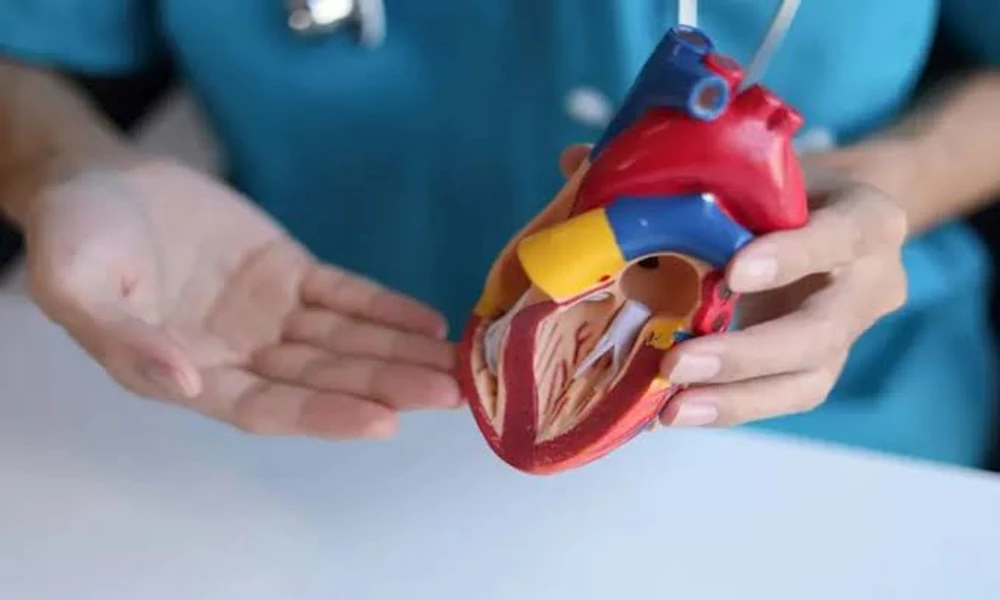
Your mouth is a gateway to the rest of your body. Gum disease have been linked to heart disease. Poor oral hygiene can increase inflammation throughout the body. And if you’re grinding your teeth at night, it’s probably a sign of stress or poor sleep, both big red flags for overall health.
So, if you’re already tracking how many hours you sleep or what your heart rate is, why not include how well your teeth are doing?
What Things You Could Maybe Track
There are certain things about your mouth you may want to consider possibly tracking as part of your overall wellness stuff:
- Grinding your teeth or clenching during the night
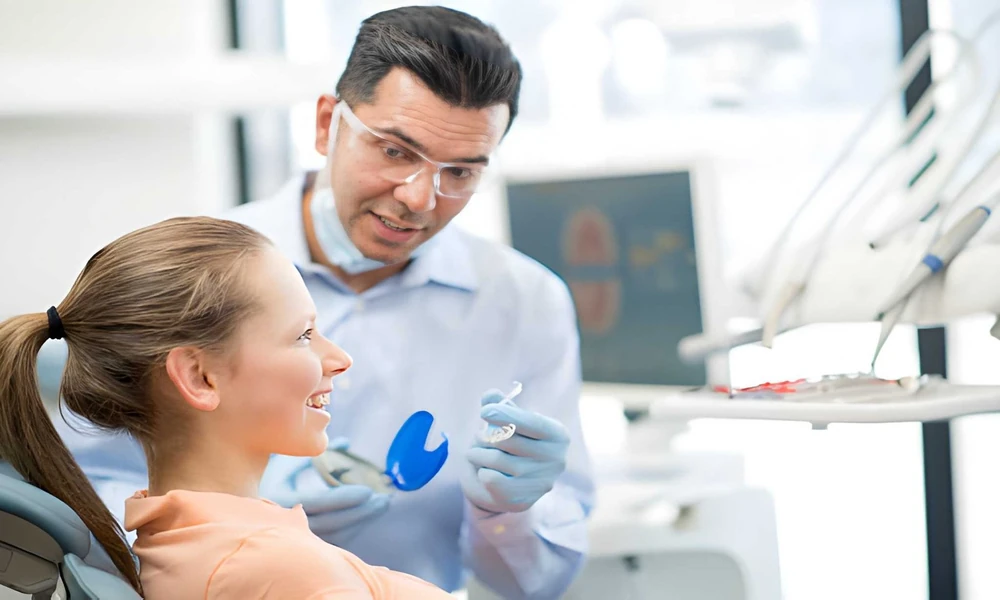
Writing this down might help you figure out if it’s happening because of things like stress or drinks with caffeine or how long you look at screens. Also, some of the best night guard for teeth grinding can be helpful so your teeth don’t get damaged and your jaw maybe won’t hurt in the morning. - How much you floss
It’s a tiny thing, but it matters more than you think. By keeping note of how often you floss, you can try to do it more regularly as it is important for your gums to stay in decent condition. - Dry mouth or breath that smells bad
If this is something you notice, it might mean something isn’t quite right. Maybe you need to drink more water, or your food might not be helping. Sometimes this also points to bigger problems, so you might want to look into it. - Wearing aligners and how long
If you’re using affordable clear aligners, it’s probably smart to track how much you’re actually wearing them. A lot of aligner brands usually recommend wearing them a lot of hours a day like 20 or more, so keeping a note might help you follow their rules better.
Dental Health Affects Mental Health Too
If your teeth aren’t doing great, it can really mess with how you feel about yourself. Like, you might not wanna smile in pictures or eat stuff that’s hard or hurts, and over time it just kind of makes you feel less good and more insecure without you even realizing it.
Keeping track of your teeth stuff can actually help you catch little problems before they turn into big ones that mess with your body and your mood. Like, imagine if your wellness app reminded you to wear your night guard, drink more water so your mouth isn’t super dry, or even told you it’s time to switch your aligners. Those tiny things can really add and help you take better care of yourself without even thinking too hard about it.
The Tools to Support You
When it comes to wellness green juices, 10,000 steps are not enough. Wellness isn’t just about green smoothies and steps walked, it’s also about using the right tools to protect and enhance your body, including your smile. Two often but powerful tools are night guards and clear aligners, each playing a unique role in keeping your oral health on track.
If you clench or grind your teeth at night, whether from stress, poor sleep posture, or an overworked jaw, a soft or hybrid night guard can be a game-changer. It cushions your bite, protects your enamel, and can even ease morning headaches and TMJ discomfort. Think of it as a weighted blanket for your jaw, subtle, supportive, and quietly effective. It helps your body relax while you sleep and gives your mouth a chance to heal and reset.
If your teeth aren’t straight and that bothers you then clear aligners can actually help a lot and they’re not super expensive or annoying to use and the cool part is they don’t just make your teeth look nicer but they also make it easier to keep your mouth clean which means less chances of getting cavities or gross plaque or gum problems and the best part is you don’t even have to keep going to a dentist over and over because you can do the whole thing from home with kits that get sent to you so it just fits into your life without messing anything up.
And also if you wear something at night because you grind your teeth or you wear something during the day to move your teeth then those things aren’t just about making your smile better but they actually help you feel better and more confident and like life’s just a little easier and nicer when your mouth isn’t always hurting or bothering you.
Let Your Smile In on the Wellness Game
Your wellness tracker already tells a powerful story about how well you sleep, how active you are, and how your body responds to stress. It’s a window into how you feel, function, and perform each day. But here’s the thing: if you’re not including your oral health in that picture, you’re missing a critical piece to the puzzle.
Your mouth isn’t just where you flash a smile; it’s where digestion begins, where your breath flows, and where signs of stress, inflammation, and even systemic illness often show up first. Tracking your dental habits might seem like a small thing, like stuff like logging your aligner hours, checking off your night guard usage, or making a note when your gums feel a little sensitive, but over time, these small actions lead to big shifts in your overall well-being.