Understanding the Risks of Liver Transplant


A liver transplant is a significant surgery suggested for patients with end-stage liver disease or abrupt liver failure. While it can be lifesaving, it is not without serious risks and potential complications.
Patients are typically managed closely by a liver specialist both before and after surgery to monitor their condition and mitigate post-operative issues. Understanding what might go wrong allows patients and their families to make better decisions and plan for long-term results.
Surgical Risks During a Liver Transplant
A liver transplant has inherent risks associated with the process, much like any major surgery. These include infections at the surgery site, blood clots, and severe bleeding.
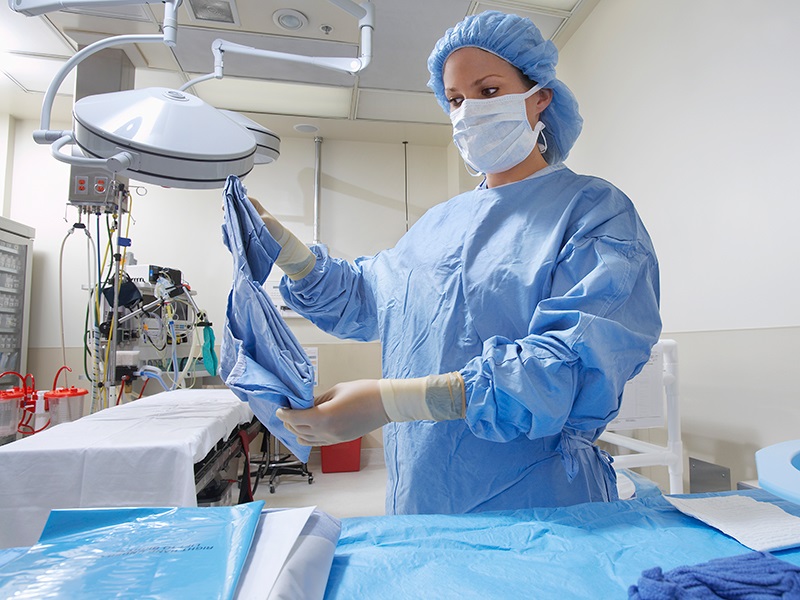
Patients will also undergo general anaesthesia for the duration of the treatment, which usually lasts six to twelve hours. Long-term exposure to anaesthesia or technical difficulties in removing the damaged liver and reattaching the new one can cause complications.
The procedure may also potentially result in harm to nearby organs, such as the intestines, lungs, or bile ducts.
Surgeons and the liver specialist will evaluate these risks in light of the patient’s medical history and general health before suggesting a transplant.
Rejection of the Transplanted Liver
One of the most common complications post-transplant is organ rejection. The body recognises the new liver as foreign tissue and initiates an immune response to attack it. This instance can occur days, weeks, or even years after the operation. Acute rejection is relatively common and often treatable, but chronic rejection is more severe and may result in loss of graft function.
Patients must take immunosuppressive medication for life to reduce the risk. These drugs lower the body’s immune defences but come with side effects, such as an increased risk of infections and some cancers.
Liver specialists monitor these reactions through regular blood tests and imaging studies to ensure early detection and treatment of rejection.
Post-Transplant Infections
Immunosuppressants weaken the immune system, making patients highly susceptible to infections. These may include bacterial, viral, and fungal infections that would otherwise be minor in healthy individuals. The risk is highest in the early months after the liver transplant. Common issues include urinary tract infections, respiratory infections, and sepsis.
Liver specialists often prescribe prophylactic antibiotics and antivirals during this high-risk period. Patients are also advised to avoid crowded places and maintain strict hygiene practices. Long-term infection management becomes part of regular follow-up with the transplant team.
Complications from Immunosuppressive Therapy
Immunosuppressive medication is essential but introduces its own set of complications. Long-term use can lead to kidney dysfunction, high blood pressure, diabetes, and increased cholesterol. These side effects may require additional medication and lifestyle changes.
Some patients develop osteoporosis or suffer gastrointestinal symptoms such as ulcers and diarrhoea.
Liver specialists adjust dosages and medications over time to strike a balance between preventing rejection and minimising drug toxicity. Regular blood work and check-ups are used to catch these complications early.
Biliary Complications and Graft Non-Function
Post-surgical issues involving the bile ducts are not uncommon. Bile duct leaks or strictures can result in jaundice, pain, or infection, requiring further procedures such as stent placement or revision surgery.
In rare cases, the transplanted liver may not function at all, a condition called primary non-function. This instance often occurs within the first week after surgery and usually requires urgent re-transplantation
Liver specialists and surgeons remain on high alert for these early warning signs, especially in the intensive care unit, where patients are monitored continuously.
Conclusion
A liver transplant offers hope to those with life-threatening liver failure, but the road after surgery is complex and lifelong. The role of the liver specialist does not end at surgery; they are central in identifying and managing the wide range of complications that can arise. Patients should maintain open communication with their care team and adhere strictly to medical advice to enhance the odds of an ideal outcome. Understanding the risks involved helps in making realistic, informed decisions throughout the transplant process.
Visit the National University Hospital (NUH) and let us map out the risks, guide your decisions, and support you every step of your path to a healthy liver.