










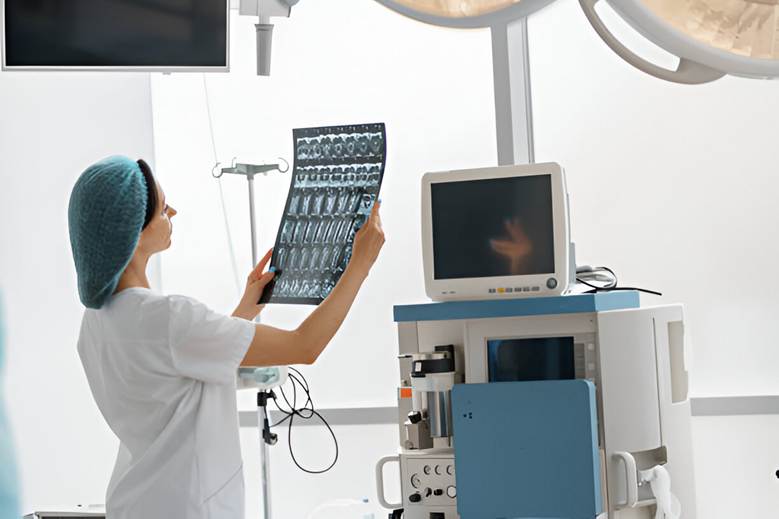
Precision is paramount in the medical field, notably with respect to what shows on a screen. Whether a dermatologist is looking over skin pictures or a radiologist is analyzing an MRI scan, the colors and contrast on a medical screen have to be absolutely right. This is where precise color calibration enters play. It goes beyond aesthetic pleasure; it also concerns clinical accuracy, patient safety, and compliance with strict regulatory requirements.
Many healthcare experts download software PerfectLum from the QUBYX website before displays are employed in clinical settings to make certain every color, tone, and contrast level is calibrated to industry standards like DICOM. This is crucial especially for the diagnostic monitors, where even a tiny mistake can affect a diagnosis. At the online QUBYX shop, you can get medical-grade calibration solutions and display quality equipment. Their software is dedicated to automation, compliance, and performance, hence making them a dependable location to download the acceptance testing software.
What is Color Calibration?
Color calibration is the procedure of adjusting and finetuning a display to guarantee that it faithfully and consistently recreates hues in line with a specified norm. Usually, in medical equipment, this entails calibrating to DICOM (Digital Imaging and Communications in Medicine) norms for grayscale displays or CIE color spaces for color monitors.
Without calibration, various displays may display different color tones, brightness settings, and contrast levels. In a medical environment, such irregularities might cause misinterpretation of medical images—something that might have very bad consequences for patients.
Why Medical Displays Must Be Calibrated
Medical monitors are subjected to far more demanding standards of performance and reliability than consumer displays are.
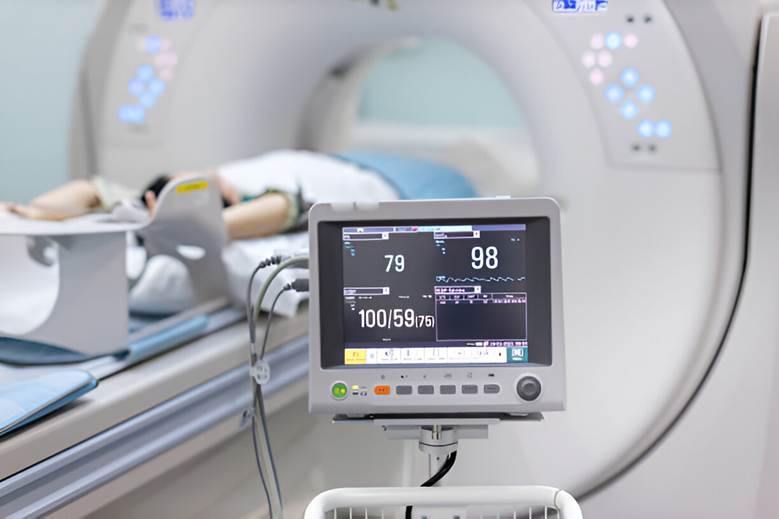
Here’s the case for calibration’s great importance in this area:
- Clinical Accuracy: Diagnoses often depend on faint visual signals. A calibrated display guarantees those signals are properly shown.
- Regulatory Compliance: Organizations like the FDA and ACR demand adherence to particular display performance criteria.
- Consistency Across Devices: Medical personnel can swap between monitors. Calibration guarantees that images look same across all devices.
- Long-term Reliability: Even high-end monitors lose calibration with time. Therefore, periodic checks keep them within acceptable performance restrictions.
How Automation Changes the Game
Color calibration used to be a manual, time-consuming procedure open to human mistakes. But with cutting-edge technologies and automation, the process has been completely transformed. Every test is set and performed automatically, therefore minimizing human interference and guaranteeing consistent compliance and great reliability.
Automation not only frees up time for medical IT staff but also guarantees that essential equipment always stays within specification. Automation enables daily, weekly, or monthly checks without disrupting workflow or depending on memory.
Beyond Setup: Ongoing Quality Assurance
First calibration is not enough; screens need regular inspections to keep their accuracy over time. Advanced testing tools include continuous QA capabilities like luminance uniformity testing, conformity reports, and recalibration prompts. These guarantee that over months or weeks of use, a monitor’s performance does not go unnoticed.
Better compliance audits, fewer equipment breakdowns, and a more solid basis for patient care are all advantages of this at the corporate level.
Final Thoughts
Maintaining visual correctness has never been simpler or more dependable thanks to high-end software and solutions. From guaranteeing correct diagnostics to satisfying compliance requirements, calibrated displays are essential in modern healthcare.
In a field where one picture might alter everything, color fidelity is vital rather than optional.