






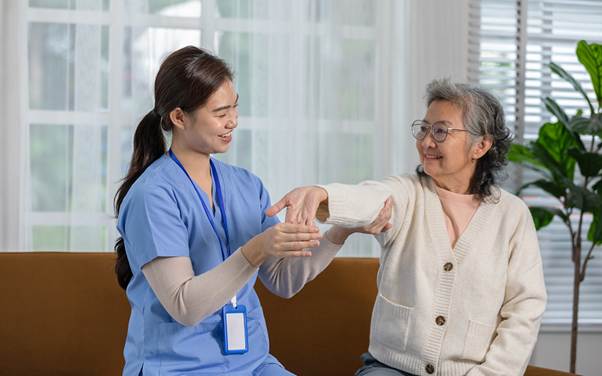
Caregiving may begin with love, but sustaining it takes knowledge, patience, and a set of specialised skills that often go underestimated. In Singapore, as families juggle work-life demands while caring for ageing parents or relatives with long-term health conditions, the need for caregiver training has never been more pressing. The instinct to care is there. But knowing how to lift someone safely, how to respond to a fall, or how to manage medication schedules is something where structured support, like a caregiver training course in Singapore, bridges the gap.
What Untrained Care Looks Like (and Why It Matters)
At first glance, home caregiving might seem intuitive: prepare meals, assist with mobility, offer companionship. There are countless daily decisions that can make or break an elder’s quality of life. Without proper training, even well-meaning caregivers can unintentionally contribute to risk.
A common red flag is the absence of proper transfer techniques. Helping a person move from bed to wheelchair or toilet without injury isn’t as simple as offering your arm. Without understanding body mechanics, both the caregiver and the patient are prone to injury. Falls, pressure sores, improper medication timings, and emotional burnout are other frequent signs that point to an urgent need for formal caregiver training in Singapore.
What many don’t realise is that caregiving is a clinical skill set as much as it is an emotional one. It’s about equipping everyday people with the confidence and capability to handle common home care challenges responsibly. In Singapore’s ageing society, where more families are choosing home-based care over institutional options, the stakes are too high to rely on instinct alone.
What You Can Learn in a Weekend (That Changes Everything)
Quality caregiver skills don’t require years of study. Many core competencies can be learned in short, targeted workshops or a structured caregiver training course in Singapore. Think of it like a CPR class: you don’t need to be a doctor to save a life, but you do need the training to act effectively.
A weekend course, for instance, can cover basics like:
- Safe mobility techniques
- Proper use of assistive devices
- Medication administration
- Hygiene and personal care
- Emergency response
- Bed sore prevention
- Communication with non-verbal or dementia patients
More advanced programmes may touch on mental wellness, nutritional care, or stroke recovery support. These are nice-to-have skills, and often determine whether a loved one can safely age at home or require external help.
What makes these short courses impactful is their practical, hands-on nature. Rather than heavy theory, the emphasis is on real-life application, allowing participants to practise what they learn immediately. These speed rounds don’t promise perfection, but they do provide peace of mind and drastically reduce common caregiving risks.
“I Already Know This” and Other Traps
If you’ve ever caught yourself saying, “I’ve been doing this for years; I don’t need a class,” you’re not alone. One of the most persistent misconceptions about caregiver training in Singapore is that experience equals expertise. But personal experience doesn’t always align with best practices.
For example, a caregiver might think it’s okay to lift a patient by the arms when, in fact, this can lead to shoulder dislocation or lower back injuries. Or they may misinterpret signs of stroke as fatigue, delaying critical medical help. These happen in homes across Singapore every day.
Another myth is that only live-in helpers or professional nurses benefit from such courses. In reality, family caregivers stand to gain the most. A caregiver training course in Singapore is designed to empower everyday people with accessible, applicable knowledge.
Some also assume that training is expensive or time-consuming. But many programmes are subsidised, held on weekends, or even offered as in-home workshops. Several providers allow you to customise what’s covered, so you’re not sitting through irrelevant modules.
Lastly, there’s the emotional misconception: that asking for help or training means you’re failing your loved one. On the contrary, seeking out structured training is an act of strength, not surrender. It shows you’re committed to improving, not just coping.
Better Care Begins With Better Caregivers
Caregiver training in Singapore isn’t just for the uncertain or inexperienced. It’s for anyone who wants to provide care that’s safe, sustainable, and grounded in best practice. A caregiver training course in Singapore gives you the practical tools to do it with greater ease and confidence. The difference between “getting by” and “getting it right” often lies in a few structured hours of learning. So if you’re already in the thick of caregiving, consider this your sign to take that step. Because love might lead the way, but it’s skill that keeps it sustainable.
Thinking of caregiving as a long-term role? Start smart with The Home Physio today, and find a caregiver course that meets you where you are.