









Frequent travel offers exciting opportunities, but it also increases exposure to infectious diseases that may not be common at home. Airports, crowded cities, and international destinations with different health risks can raise the chances of illness, especially for those who travel often.
Staying protected is not just about convenience—it is an essential part of responsible travel planning. For frequent flyers, understanding the role of vaccinations is key to maintaining health, avoiding disruptions, and ensuring safe journeys across borders.
Why Frequent Flyers Face Higher Health Risks
People who travel regularly are exposed to a wide range of environments in a short period of time. Each destination may have different disease patterns, hygiene standards, and healthcare infrastructure.
Long flights, jet lag, and disrupted sleep can also weaken the immune system. When combined with close contact in airplanes, airports, and public transport, this creates ideal conditions for infections to spread. Over time, repeated exposure increases cumulative health risk if preventive measures are not taken.
What Are Travel Vaccines?
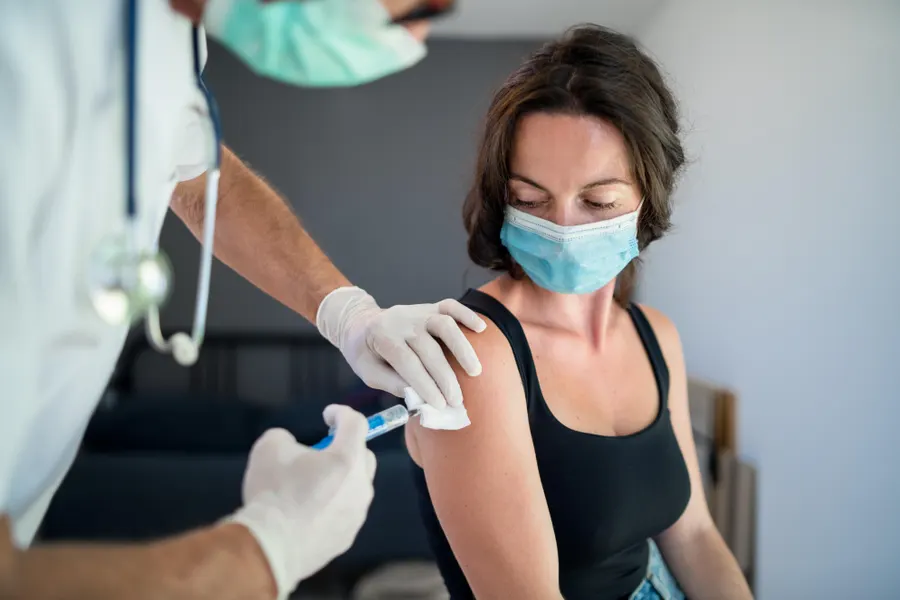
Travel vaccinations are immunisations designed to protect against diseases that are more prevalent in certain regions of the world. These illnesses may be rare or non-existent in a traveller’s home country but common elsewhere.
Some vaccines are recommended based on destination, while others are required for entry into specific countries. For frequent flyers, staying updated on recommended travel immunizations helps reduce the risk of illness and prevents delays or complications during travel.
Common Vaccines Recommended for Frequent Travelers
Several vaccines are commonly advised for people who travel often, particularly to developing regions or areas with limited sanitation.
These may include vaccines for hepatitis A and B, typhoid, yellow fever, rabies, and Japanese encephalitis. Influenza vaccination is also important, as flu strains circulate year-round in different parts of the world.
The exact recommendations depend on travel patterns, duration of stay, activities planned, and individual health status. A healthcare provider can help tailor vaccination plans for frequent flyers.
Timing and Planning for Vaccination
Vaccines are most effective when given well before travel. Some require multiple doses spread over weeks or months to provide full protection.
Frequent flyers benefit from long-term planning rather than last-minute vaccination. Maintaining an updated vaccination record ensures readiness for sudden trips and reduces the need for rushed appointments.
Regular consultation with a travel health clinic allows travellers to review destinations and ensure protection remains adequate as travel routes change.
Long-Term Benefits Beyond Travel
Vaccinations do more than protect during trips. Many offer long-lasting or lifelong immunity, reducing the risk of illness even outside of travel.
For example, hepatitis vaccines protect against infections that can be contracted through contaminated food, water, or blood exposure—risks that may exist both abroad and at home. Staying updated on travel vaccines therefore contributes to overall long-term health, not just short-term travel safety.
Occupational and Lifestyle Considerations
Frequent flyers often include business travellers, airline crew, consultants, and digital nomads. These individuals may have limited recovery time if illness occurs, making prevention especially important.
Missing meetings, delaying flights, or requiring medical care overseas can be costly and disruptive. Preventive vaccination reduces downtime, protects productivity, and provides peace of mind for those whose work depends on frequent travel.
Special Considerations for High-Risk Individuals
Some travellers require additional planning. Older adults, individuals with chronic medical conditions, or those with weakened immune systems may face higher risks from travel-related infections.
Vaccination schedules may need adjustment, and certain live vaccines may not be suitable. Consulting a healthcare professional ensures that vaccinations are safe, appropriate, and aligned with individual health needs.
Keeping Vaccination Records Up to Date
Maintaining a clear and accessible vaccination record is essential for frequent flyers. Some countries require proof of vaccination, such as yellow fever certificates, for entry.
Digital records or vaccination booklets help avoid complications at immigration or during medical consultations abroad. Keeping documentation organised also makes future travel planning easier and more efficient.
Integrating Vaccination Into Travel Routine
For frequent travellers, vaccination should be viewed as a routine part of travel preparation, similar to renewing passports or booking flights.
Regular health reviews allow travellers to stay informed about emerging health risks and updated recommendations. This proactive approach ensures continuous protection rather than reactive responses to health issues.
Conclusion
Frequent flying brings excitement, opportunity, and global connection, but it also increases exposure to infectious diseases. Vaccination plays a crucial role in reducing these risks and supporting safe, uninterrupted travel.
By planning ahead, keeping records updated, and seeking professional advice, frequent flyers can protect their health wherever their journeys take them. In an increasingly connected world, preventive healthcare is not optional—it is an essential companion to every trip.