




Key Takeaways
- TCM in Singapore combines regulated practice with centuries-old therapeutic principles.
- TCM massage, particularly Tuina, supports circulation, mobility, and muscular balance.
- Longevity in TCM focuses on maintaining internal harmony rather than treating symptoms alone.
- Consistent care and early intervention may prevent minor discomfort from becoming chronic strain.
Introduction
In conversations about ageing well, most people focus on diet, supplements, or exercise. Yet another dimension quietly shapes long-term health: how we maintain circulation, musculoskeletal balance, and stress resilience over time. Within TCM in Singapore, longevity is framed as living with functional ease and internal balance. One therapy often associated with relaxation – TCM massage – plays a more structured role than many realise. Known as Tuina, this hands-on treatment is grounded in therapeutic principles designed to regulate energy flow, relieve stagnation, and support systemic health. When understood properly, it becomes less of a luxury and more of a preventative strategy.
Apprehending Longevity in Traditional Chinese Medicine
In Western medicine, longevity is measured by life expectancy statistics. In Traditional Chinese Medicine, however, it is linked to the concept of harmony between organ systems, circulation of Qi (vital energy), and balanced blood flow. While Qi may sound abstract, it can be loosely understood as the body’s functional vitality.
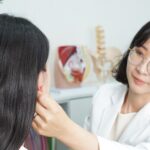
Within TCM in Singapore, practitioners assess whether this balance is disrupted through observation, questioning, and palpation. Symptoms such as stiffness, fatigue, or recurring headaches are interpreted as signs of imbalance. Certain TCM approaches, including massage and acupuncture, may contribute to pain reduction and improved functional mobility. These improvements, though subtle at first, may support the overall quality of life.
What Makes TCM Massage Different?
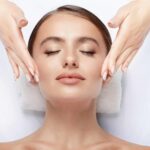
TCM massage, or Tuina, is not equivalent to a typical spa massage. While both involve manual techniques, Tuina applies specific pressure patterns along meridians to connect organ systems. The goal is therapeutic correction. In TCM clinics in Singapore, practitioners may incorporate kneading, pressing, rolling, and stretching techniques based on diagnostic findings.
TCM massage may extend to related pathways to restore broader circulation. Massage therapy can support musculoskeletal health and stress management when applied appropriately. While Tuina follows its own traditional framework, its emphasis on circulation and tissue manipulation aligns with recognised physiological mechanisms such as improved blood flow and reduced muscle tightness.
The Role of Early Intervention
Longevity stems from noticing minor imbalances before they escalate. In TCM in Singapore, early signs such as mild stiffness, digestive irregularity, or disrupted sleep patterns may prompt proactive treatment. TCM massage can assist by stimulating circulation and reducing muscular tension that might otherwise compound over time. Regular Tuina sessions aim to prevent this discomfort from developing into chronic strain.
This preventative philosophy aligns with broader public health insights. Early management of musculoskeletal issues to preserve mobility and reduce long-term disability risk. When viewed through this lens, TCM massage becomes part of a long-term maintenance plan rather than a one-off remedy.
Supporting Mobility and Functional Ageing
As individuals age, muscle elasticity, joint flexibility, and circulation naturally change. TCM in Singapore integrates massage with herbal therapy or acupuncture to address these shifts holistically. TCM massage techniques may encourage muscle relaxation and improved range of motion. While outcomes vary individually, maintaining physical function contributes to sustained activity levels.
Stress Regulation and Systemic Balance
Chronic stress influences cardiovascular health, sleep quality, and immune response. TCM in Singapore interprets prolonged stress as disrupting internal harmony. TCM massage may play a role in regulating this imbalance by activating relaxation responses.
Therapeutic touch can reduce cortisol levels and promote parasympathetic nervous system activity. These physiological responses may indirectly support long-term well-being. By addressing both muscular and emotional tension, Tuina bridges physical therapy with stress management.
Integrating TCM Massage Into Modern-day Life
Modern lifestyles frequently involve sedentary work, digital strain, and irregular sleep schedules. Within this context, TCM in Singapore adapts traditional methods to contemporary challenges. Consistency matters. Longevity strategies depend less on intensity and more on regular care. Rather than waiting for discomfort to become disruptive, scheduling maintenance sessions fosters cumulative benefits.
Longevity as Momentum, Not Miracle
A distinctive aspect of TCM in Singapore is its incremental perspective. Instead of seeking dramatic transformation, practitioners emphasise steady improvement. Longevity emerges from sustained momentum. TCM massage reflects this principle.
Each session may produce modest relief, yet over time these incremental shifts compound. Muscles remain pliable. Circulation remains efficient. Stress responses stabilise. This mindset reframes well-being as an ongoing partnership between practitioner and patient.
Conclusion
Longevity is achieved through consistent, balanced care. Within TCM in Singapore, therapies such as TCM massage offer structured support for circulation, mobility, and stress regulation. Rather than viewing Tuina as a temporary indulgence, consider its preventative potential. When integrated thoughtfully into a health routine, it may contribute to sustained function and resilience over time.
If you are exploring ways to maintain vitality while managing daily strain, enquire at Great Wall TCM today to learn more.