Preventive Dentistry Explained: Protecting Teeth Long Term
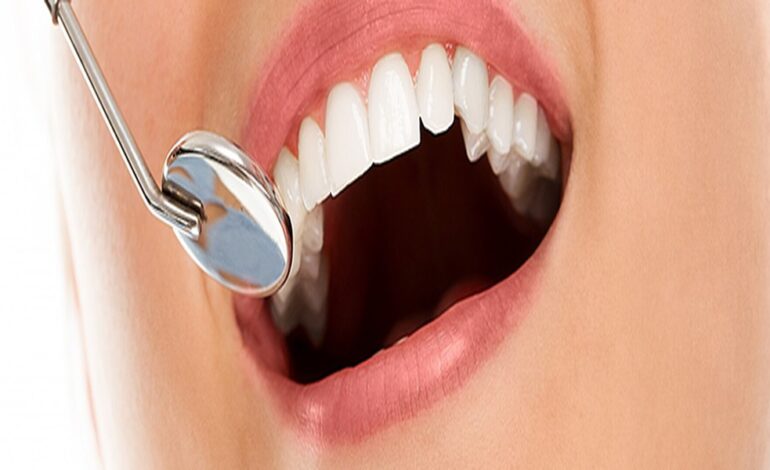

Maintaining good oral health is not just about treating problems when they arise but also about preventing them before they start. Preventive dentistry focuses on caring for the teeth and gums in a way that reduces the risk of cavities, gum disease, and other dental issues. By adopting healthy habits and seeking regular dental care, individuals can protect their teeth and enjoy a strong, healthy smile for years to come.
What Is Preventive Dentistry
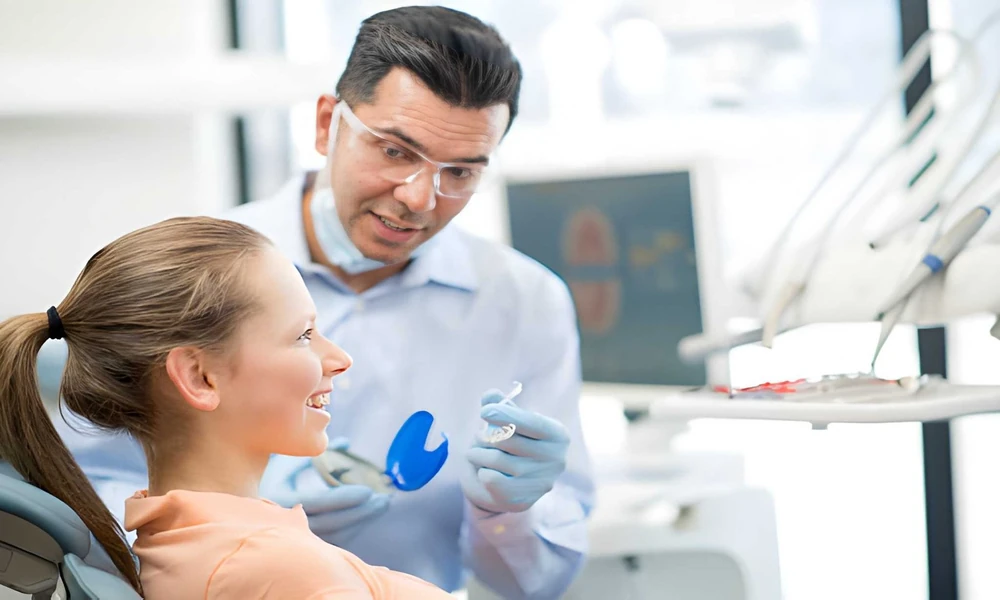
Preventive dentistry includes a range of practices and treatments aimed at maintaining oral health. It involves regular dental check-ups, professional cleanings, and cosmetic dentistry daily oral hygiene routines. The goal is to detect potential issues early and prevent them from developing into more serious conditions.
This approach is suitable for people of all ages, from children learning proper brushing techniques to adults maintaining long-term oral health. Early prevention reduces the need for complex and costly treatments later.
Regular Dental Check-ups
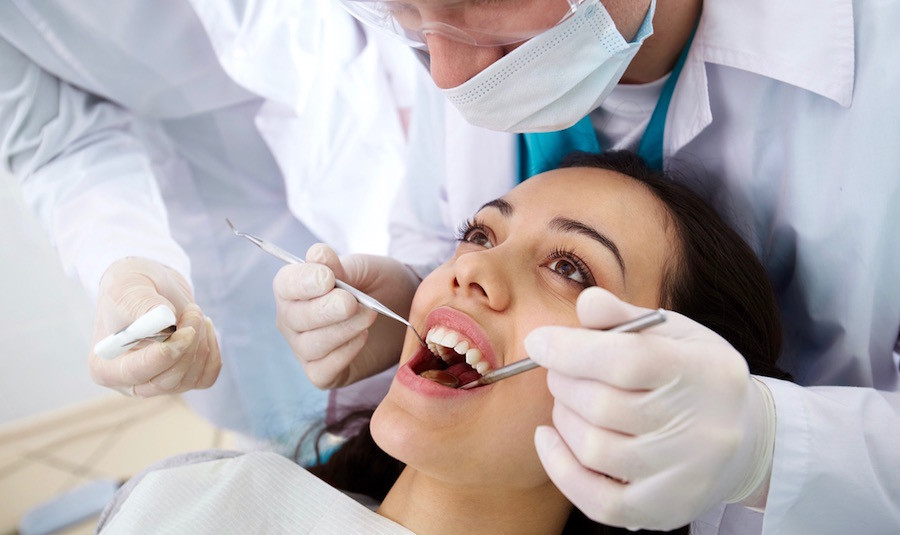
Routine dental check-ups play a crucial role in maintaining oral health. Regular visits allow dentists to identify early signs of problems such as cavities, gum disease, or enamel wear. Professional cleanings during these visits remove plaque and tartar that brushing and flossing alone may miss.
Additionally, dentists provide advice on improving oral hygiene habits and may recommend treatments when needed. Detecting issues early helps stop minor concerns from developing into more serious conditions.
Preventive Treatments
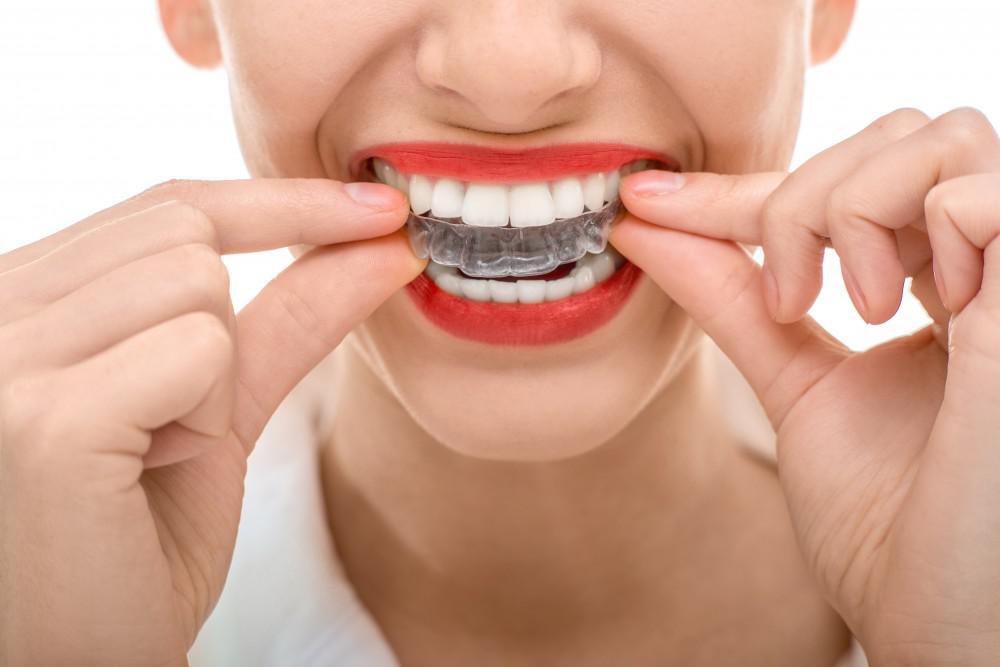
In addition to routine care, several preventive treatments are available to protect teeth. Fluoride treatments help strengthen enamel and make teeth more resistant to decay. Dental sealants are another effective option, especially for children, as they provide a protective layer over the chewing surfaces of molars.
These treatments are simple, painless, and highly effective in reducing the risk of cavities. They act as an extra layer of defence alongside daily oral care.
Role of Diet and Lifestyle
Diet and lifestyle choices also have a significant impact on oral health. Consuming sugary foods and drinks can increase the risk of tooth decay, while a balanced diet supports strong teeth and gums. Drinking plenty of water helps wash away food particles and maintain oral hygiene.
Avoiding habits such as smoking is important, as it can lead to gum disease and other serious oral health issues. Making healthier lifestyle choices contributes to long-term dental protection.
Conclusion
Preventive dentistry is essential for maintaining long-term oral health by preventing issues before they arise.
It promotes healthy teeth and gums while reducing the chances of needing advanced dental treatments. By focusing on regular care, good hygiene habits, and early detection, individuals can avoid many common dental problems. Combining professional dental services with a healthy lifestyle ensures strong teeth and healthy gums. Taking preventive steps today can lead to a confident smile and reduced dental concerns in the future.