








Many people feel nervous or scared when they think about visiting a dentist. This fear can be caused by past painful experiences, the sound of dental tools, or simply the worry of not knowing what will happen during treatment. Because of this, a lot of people avoid going to the dentist, which can lead to serious oral health problems. Luckily, dentistry has changed a lot over the years, especially in the area of sedation.
Understanding Dental Anxiety
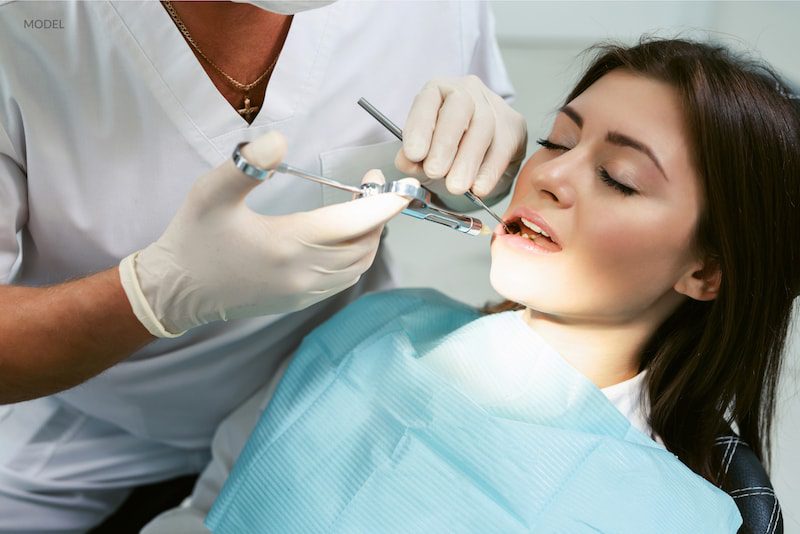
Dental anxiety is very common among both children and adults. The fear may come from pain during past treatments, the smell of dental materials, or the fear of needles. Some people also feel anxious because they do not like being in a dental chair for too long. When someone is too scared to go to the dentist, they might ignore problems like cavities, gum disease, or infections. For many people searching for a prosthodontist near me, sedation helps reduce this fear so patients can get the care they need.
How Sedation Dentistry Started
The idea of using something to relax a person during dental work is not new. Long ago, natural herbs and alcohol were used to reduce pain. But the real change began in the 1800s with the discovery of nitrous oxide, also known as laughing gas. It made patients feel calm and comfortable while still awake. This invention was the first major step toward pain-free dentistry.
Different Types of Sedation in Dentistry
As dentistry advanced, more methods of sedation were developed to suit different needs:
Nitrous Oxide Sedation
This is still used today and works through a mask placed over the nose. It helps people relax without putting them to sleep. Once the mask is removed, the effect wears off quickly.
Oral Sedation
Patients take a small pill before their appointment. It makes them feel sleepy and relaxed, but aware of what is happening.
IV Sedation
Medication is given through a vein for faster and deeper relaxation. This is helpful for long or complex treatments.
General Anesthesia
This type is used only when a patient must be fully asleep, usually during major dental surgery. A trained professional monitors the patient throughout the procedure.
New Innovations in Sedation Dentistry
Technology continues to make sedation safer and more effective:
Computer-based systems allow precise control of sedation levels.
Techniques now focus on minimal sedation to reduce side effects.
Personalised sedation plans are created for each patient.
Better monitoring equipment increases safety during treatment.
These improvements help make dental visits smoother and less stressful.
Benefits of Pain-Free Dentistry
Modern sedation dentistry offers many advantages:
People are less afraid to visit the dentist.
Dental problems can be treated early, improving oral health.
Procedures can be completed faster with fewer interruptions.
Patients report higher comfort and satisfaction.
Conclusion
Pain-free dentistry has transformed the experience of dental care. From laughing gas to advanced monitoring systems, every new development helps patients feel calmer and safer during treatment. If someone feels anxious about seeing a dentist, they can talk to their dental provider about sedation options. With today’s innovations, dental visits can be stress-free, comfortable, and completely manageable for everyone.