








Hair removal has evolved over the years, with new technologies offering faster, more comfortable results. One way to do this is through Super Hair Removal (SHR). This approach is popular among beauty spa clients due to its promise of gentler sessions and long-term results. However, as with any aesthetic procedure, questions about safety are natural. Understanding how SHR works and what to expect from treatment sessions helps clients make informed decisions when choosing their beauty spa.
The Treatment Is Suitable for Most Skin Types
One key benefit of SHR is its adaptability across various skin tones and hair colours. Traditional laser methods sometimes pose challenges for darker skin due to the risk of pigmentation. SHR targets hair pigmentation while bypassing the surrounding tissue. This makes it a preferred option in beauty spas catering to a diverse clientele. Still, a professional assessment is necessary to determine if this method suits each client’s skin profile.
Pre-Treatment Assessment Is Essential
Before starting any SHR session, beauty spa professionals conduct a skin analysis and consultation. This step is crucial to identify allergies, recent sun exposure, or active skin conditions that could affect the outcome. A patch test may be performed to observe skin reaction to the light pulses. Skipping this assessment increases the chance of irritation, which is why reputable beauty spas never overlook this step in their procedure.
Proper Equipment Calibration Reduces Risk
The effectiveness and safety of SHR depend largely on the condition and settings of the equipment used. Certified beauty spa professionals understand how to calibrate the device based on the client’s skin and hair type. Incorrect settings could lead to uneven results or mild side effects. Regular maintenance of machines and adherence to safety protocols help ensure a smooth experience for the client.
Super Hair Removal Uses Low-Energy Pulses
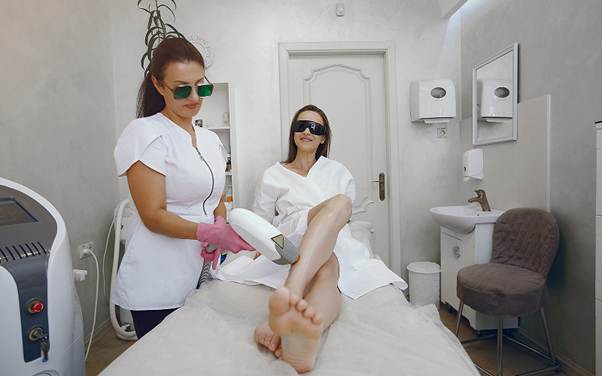
Unlike traditional laser treatments that use high-intensity beams, SHR delivers lower energy at a higher frequency. This method gradually heats the skin and targets hair follicles over time, which reduces the chance of sudden discomfort. The pulses are delivered in a sweeping motion, allowing for even coverage. Beauty spa professionals trained in this technique ensure that the settings align with skin type and sensitivity levels, minimising the risk of burns or redness.
Cooling Systems Protect the Skin
One of the features built into SHR devices is a cooling mechanism that maintains a comfortable skin temperature during the session. This function reduces surface heat, making the procedure more tolerable while also preventing burns. In many cases, the client experiences a warming sensation rather than sharp pain. These cooling systems are standard in most professional settings, reinforcing the treatment’s safety profile.
Minimal Downtime After Each Session
Another reason beauty spa clients opt for SHR is the quick recovery time. Unlike harsher treatments that may cause swelling or peeling, SHR typically results in mild redness that fades within hours. Clients can return to daily activities soon after their session. Spa professionals usually advise against hot showers and sun exposure for a short period to protect the treated area and maintain results.
SHR Requires Multiple Sessions for Lasting Results
Although SHR is considered safe, it’s important to set realistic expectations. The method works best with a series of treatments spaced over several weeks. The active growth phase is targeted in each session. This staged approach prevents aggressive treatment in a single session, further enhancing the safety and comfort of the process. Beauty spas usually offer a recommended treatment plan based on hair density and growth cycles.
Learn More: Top Facial Spa Treatments in Singapore for Glowing Skin
Hygiene Standards Must Be Followed
Safety depends on hygiene habits before the procedure. Clean equipment, disposable tools, and sanitised treatment areas reduce the risk of infection. Reputable beauty spas maintain strict cleanliness protocols and follow guidelines to protect clients from cross-contamination. Ensuring these conditions are met is just as important as the technique itself when evaluating a spa’s reliability.
Communication During Treatment Ensures Comfort
A professional therapist always checks in with the client during treatment. This helps gauge any discomfort and adjust the settings if necessary. SHR is designed to be pain-minimising, but individual tolerance may vary. Continuous communication ensures that the client remains at ease throughout the session, further supporting a safe and comfortable outcome.
From skin assessments and proper equipment settings to hygiene and communication, each factor contributes to a treatment that delivers results without compromising safety.
For more information about safe hair removal services in Singapore, contact 21st Century Beauty Spa today.