









Key medical, lifestyle, and vision factors that influence LASIK eligibility and long-term results.
LASIK has become one of the most well-known and widely performed elective medical procedures in the world. Millions of people have chosen it as a way to reduce or eliminate their dependence on glasses and contact lenses. For many, it delivers life-changing convenience, clearer vision, and long-term confidence.
However, despite its widespread popularity, LASIK is not a universally applicable solution.
Some patients are excellent candidates and achieve outstanding results. Others may need to wait, address underlying eye conditions, or consider alternative vision correction procedures that are better suited to their needs.
Understanding what determines LASIK candidacy is one of the most important steps in the decision-making process. At Anaheim Eye Institute, candidacy evaluations are designed to be thorough, transparent, and personalized so patients can make informed choices about their eyes and their future vision.
Why candidacy matters more than technology alone
Modern LASIK technology is remarkably advanced, but even the most sophisticated laser cannot override biological reality. The structure of your eyes, the stability of your prescription, the health of your corneas, and your overall ocular condition all influence whether LASIK can be performed safely and effectively.
When patients meet the proper criteria, outcomes are typically excellent. When they do not, proceeding can increase the risk of complications or disappointing results.
“Successful LASIK begins long before the laser. It begins with choosing the right patient.”
This is why reputable providers place such a strong emphasis on preoperative screening rather than simply scheduling surgery.
Age and prescription stability
Most LASIK candidates are at least 18 years old, but age alone is not the key factor. What matters more is prescription stability.
If your glasses or contact lens prescription has continued to change significantly over the past year, your eyes may still be developing. Performing LASIK too early can lead to regression, meaning your vision could become blurry again as your eyes continue to change.
Ideal candidates typically have:
• A stable prescription for at least 12 months
• Moderate levels of nearsightedness, farsightedness, or astigmatism
• No history of rapidly shifting vision
During your consultation at Anaheim Eye Institute, past prescriptions are carefully reviewed to confirm long-term stability.
Corneal thickness and shape
LASIK reshapes the cornea to correct how light enters the eye. This means the cornea must be thick enough and structurally sound to tolerate the procedure safely.
Advanced corneal mapping technology measures thickness, curvature, and overall integrity in precise detail. If the cornea is too thin or irregular, LASIK may not be recommended, but other options such as PRK or implantable lenses may still be viable.
Such a procedure is not a failure. It is part of choosing the safest path for your eyes.
Overall eye health
Healthy eyes are essential for successful LASIK outcomes. Certain conditions can disqualify or delay candidacy, including:
• Keratoconus or corneal instability
• Active eye infections or inflammation
• Severe dry eye disease
• Uncontrolled glaucoma
• Advanced cataracts
• Retinal disease
Dry eye deserves special mention. Many people have mild dryness without realizing it, and LASIK can temporarily worsen symptoms. This condition does not automatically disqualify a patient, but it must be properly evaluated and treated beforehand.
At Anaheim Eye Institute, dry eye testing is part of the screening process to ensure comfort and long-term visual quality after surgery.
General health considerations
Some systemic medical conditions can affect healing and increase surgical risk, including autoimmune disorders and uncontrolled diabetes. Hormonal changes related to pregnancy can also temporarily alter vision, making it advisable to postpone surgery.
A full medical history is reviewed to ensure your body can heal properly after the procedure.
Lifestyle and expectations
LASIK candidacy is not determined by anatomy alone. Lifestyle and expectations play an important role.
Patients who are highly detail-oriented, work in visually demanding professions, or participate in contact sports may need customized treatment planning.
It is equally important to have realistic expectations. LASIK significantly reduces dependence on corrective lenses, but it does not stop the natural aging process. Most patients will still need reading glasses later in life due to presbyopia.
“LASIK improves vision, but understanding its limits leads to the greatest satisfaction.”
During consultation, surgeons discuss what LASIK can realistically achieve for your specific eyes.
What happens during a LASIK consultation
A proper LASIK evaluation is far more than a quick vision test.
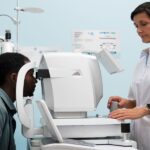
At Anaheim Eye Institute, consultations include:
• Detailed corneal mapping
• Precise refraction testing
• Tear film and dry eye analysis
• Pupil measurement
• Retinal and optic nerve examination
• Medical history review
• Lifestyle and visual goal discussion
These steps allow your surgeon to determine not only if you qualify for LASIK but also which customized treatment profile will deliver the best results.
Patients are encouraged to ask questions openly. Understanding the reasoning behind the recommendation builds confidence and trust.
Expected outcomes for good candidates
For patients who meet candidacy criteria, outcomes are consistently strong.
Most achieve 20/20 vision or better. Many report clearer night vision than they ever experienced with contacts. Recovery is typically fast, with functional vision returning within 24 hours and stabilization over several weeks.
Long-term satisfaction rates for LASIK remain among the highest of any elective medical procedure.
However, natural changes in the eyes may occasionally necessitate enhancement procedures years later. This is not a failure of the original surgery but a reflection of ongoing biological aging.
When LASIK is not the right choice
Being told that LASIK is not appropriate can feel disappointing, but it should be viewed as protection, not rejection.
Alternative procedures such as PRK, SMILE, or lens-based surgery may provide equal or better results depending on the individual.
The goal is not to sell LASIK. The goal is to deliver the safest and most effective vision correction for each patient.
The value of choosing the right provider
Technology is important, but expertise is critical.
Accurate measurements, proper candidate selection, customized planning, and long-term follow-up are what separate excellent outcomes from average ones.
Anaheim Eye Institute approaches LASIK candidacy with medical integrity and individualized care. Every recommendation is based on what is best for your eyes, not what is most convenient or commercially appealing.
If you are considering LASIK or wondering whether you qualify, schedule a comprehensive consultation with Anaheim Eye Institute to receive a personalized evaluation and clear guidance on your best vision correction options.