









When you start worrying about your gut health, it is easy to wonder if you should book a colonoscopy procedure soon. You might notice small changes in your body that do not go away, and they stay at the back of your mind. These shifts can bring a mix of concern and uncertainty, especially when you are unsure what they mean.
You may be dealing with changes in your bowel habits, mild pain, or bloating that shows up more often than it used to. You hope it is nothing serious, yet part of you wonders if you should look into it. It is normal to feel hesitant, since anything involving your digestive system can feel personal and sensitive.
In this guide, you will walk through the signs that suggest it may be time to see a specialist. You will also learn what to expect during the test, so you feel more at ease before taking that next step. Understanding your symptoms helps you feel more in control, and early checks can give you real reassurance.
Are Your Digestive Changes Trying To Tell You Something?
Your body has its own way of bringing your attention to a problem. One of the earliest signs that something may be happening in your colon is a change in your bowel habits that stays longer than you expect.
You might begin going to the toilet more times than usual, or less. Your stool may look thinner, softer, or harder than it typically does. At first, you might blame it on stress or a shift in your diet, yet the changes continue. This is often the point where a bowel disorder evaluation can help reveal what is going on.
Some signs include:
- Ongoing constipation or diarrhoea
- Stools that appear narrow or ribbon-like
- A feeling that your bowels do not empty fully
- Discomfort or urgency after meals
When these signs keep showing up, they are worth paying attention to. These changes may be your body encouraging you to get checked, and you deserve to understand what is happening instead of worrying quietly.
Could Bleeding, Pain, Or Bloating Be A Red Flag You Should Not Ignore?
Seeing blood in the toilet or on tissue can cause immediate concern. Even a small amount can make you stop and worry. While it may come from simple issues like haemorrhoids, bleeding can also be a sign of deeper issues within the colon.
Blood may appear as bright red streaks on the tissue, or your stool may look darker than usual. If this happens more than once, or if it comes with discomfort, it is worth speaking to a doctor. Many people only discover hidden issues during a digestive health screening that checks for concerns early.
Pay attention if you experience:
- Bleeding that appears more than once
- Stools that look dark or tar-like
- Bleeding paired with pain or irritation
Abdominal pain or bloating can also feel worrying, especially when the discomfort keeps returning. You might feel a dull ache, heaviness in your lower abdomen, or swelling that does not settle. When these sensations stay around, they may point to something your colon needs checked.
Are Age, Family History, Or Health Conditions Raising Your Risk Without You Realising It?
You may feel fine and still be at a higher risk for colon issues. Age and family history can both raise your chances of developing problems, even without clear symptoms.
If you are 50 or older, most doctors advise getting regular colonoscopy screenings. This is because polyps and other changes can develop quietly over time. These early signs are often painless, which is why screening becomes more important as you grow older.
You may also need screening earlier if:
- A close family member has had colon cancer or advanced polyps
- You have had polyps removed in the past
- Many relatives have had digestive conditions
Could Early Screening Save You From Bigger Problems Later?
A colonoscopy does more than detect issues. It also helps prevent serious conditions from developing. This part often surprises people, yet it is one of the biggest reasons why screening matters.
Many colon problems begin as small polyps. These polyps may grow slowly over time, and removing them early can prevent them from turning into something more serious. Many patients view the screening as a reliable colon cancer detection test because it gives them valuable peace of mind.
Early screening helps you:
- Find changes before symptoms worsen
- Remove polyps during the procedure
- Reduce long-term risks of serious disease
When you choose to be screened, you support your own health in a meaningful way. Instead of living with worry or uncertainty, you gain answers that help you move forward with confidence.
What Actually Happens During A Colonoscopy, And How Will You Feel?
Feeling unsure about the procedure is understandable. Once you know what happens during the test, you may feel far more prepared and comfortable.
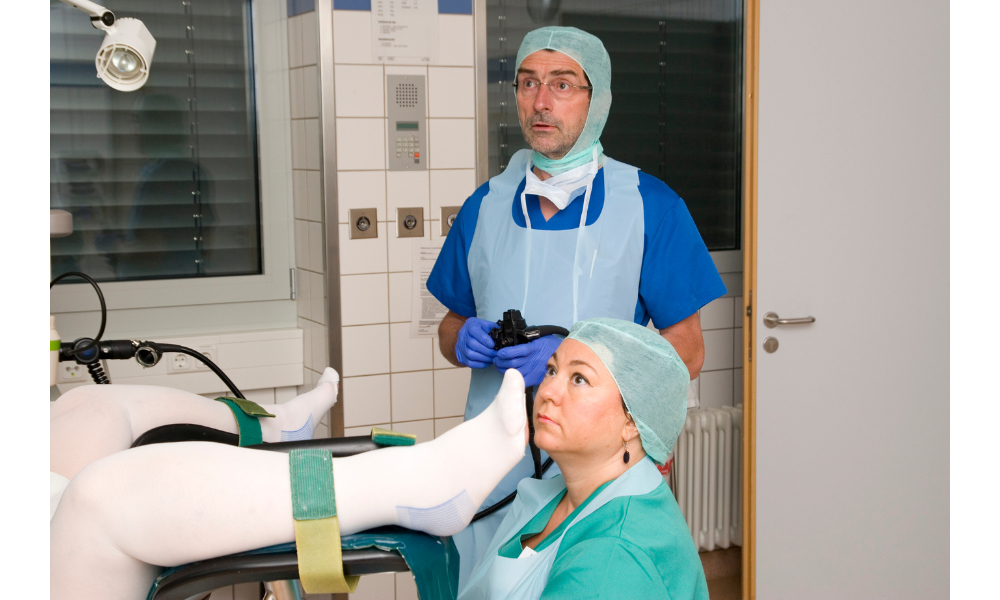
During the procedure, a thin, flexible tube with a small camera is placed gently into your colon. You will receive medication to help you relax, and many people find that they remember very little afterward. The medical team is with you the entire time, making sure you are safe and comfortable.
During the test, your doctor may:
- Examine the lining of your colon
- Remove any polyps
- Take tissue samples if needed
This type of gastrointestinal diagnostic procedure allows doctors to see your colon clearly and address concerns early. The test usually finishes within a short time, and most people go home the same day with mild bloating or tiredness that fades within hours.
Conclusion
If you have noticed changes in your bowel habits, bleeding, discomfort, weight loss, or if you have higher risk factors such as age or family history, it may be time to talk to a specialist. Taking action early helps you protect your health and reduces worry.
Contact GLSC Private Ltd today to book your colonoscopy procedure and get the support you need for better digestive health.