










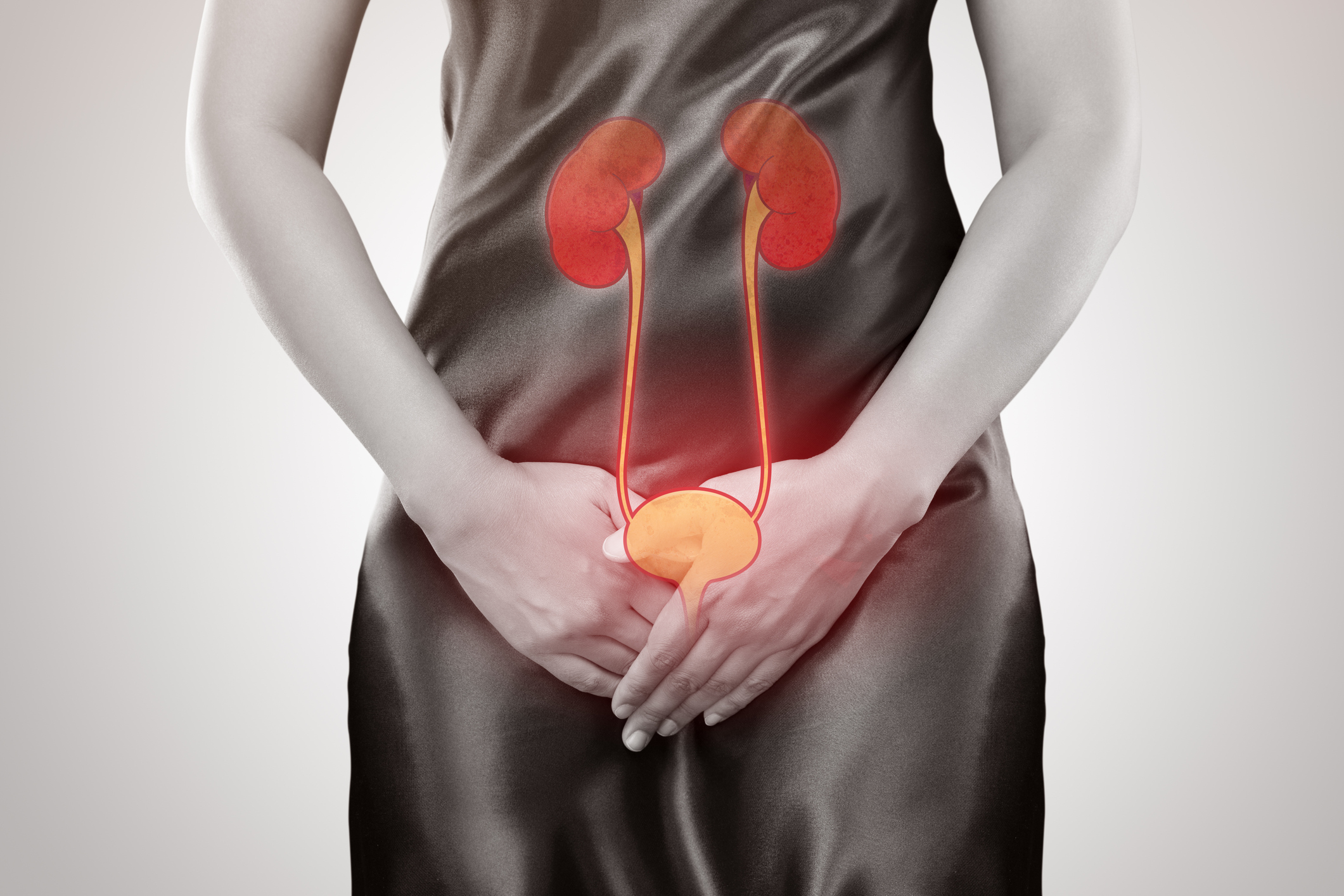
Your bladder probably isn’t something you think about every day—until something goes wrong. Whether it’s urgency, leakage, discomfort, or frequent bathroom trips, bladder issues can seriously disrupt your daily life. And in a busy place like Brooklyn, where you’re on the go all day, reliable bladder health matters.
The good news? Many bladder problems are preventable with the right habits and awareness. Whether you’re looking to improve your urinary health or avoid future complications, these bladder basics can help you stay in control.
Why Bladder Health Matters
The bladder is a muscular sac that stores urine from the kidneys before it exits through the urethra. A healthy bladder holds about 1.5–2 cups of urine and empties 4–8 times a day. When the bladder isn’t functioning properly, it can lead to discomfort, infections, or even more serious issues like incontinence or bladder dysfunction.
Brooklyn urologists see patients of all ages dealing with bladder problems. Many are preventable—or manageable—with the right strategies.
Top Tips for Keeping Your Bladder Healthy
1. Stay Hydrated (But Not Too Much)
Drinking enough water is one of the most important things you can do for your bladder. Water helps flush bacteria and toxins from your urinary tract.
What to do:
- Aim for 6–8 cups of water per day.
- Increase your intake in hot weather or when exercising.
- Monitor your urine—it should be pale yellow. Darker urine may signal dehydration.
What to avoid:
- Chugging excessive water in short periods.
- Overdoing caffeine, which can irritate the bladder and act as a diuretic.
2. Watch Your Diet
Certain foods and drinks can trigger bladder irritation or increase the risk of urinary tract infections (UTIs) and urgency.
Limit or avoid:
- Coffee and caffeinated teas
- Alcohol
- Artificial sweeteners
- Spicy foods
- Citrus fruits and juices
- Carbonated drinks
Include more:
- Water-rich fruits and vegetables (like cucumbers, watermelon, celery)
- Whole grains and fiber (helps prevent constipation, which can strain the bladder)
- Cranberries (unsweetened) and probiotics may help prevent UTIs in some people
3. Practice Good Bathroom Habits
The way you urinate can impact your bladder’s long-term health.
Healthy habits:
- Don’t “hold it” too long—this can strain bladder muscles.
- Fully empty your bladder each time you go. Take your time and relax.
- Wipe front to back to avoid spreading bacteria.
- Urinate after sex to help flush bacteria from the urethra.
Women are more prone to UTIs, but men with enlarged prostates are also at risk for incomplete emptying and infections.
4. Strengthen Your Pelvic Floor
Strong pelvic floor muscles help you maintain control over your bladder and prevent leaks, especially with age or after childbirth or surgery.
Try Kegel exercises:
- Tighten the muscles you use to stop urinating.
- Hold for 3–5 seconds, then release.
- Repeat 10–15 times, 3 times per day.
Urologists in Brooklyn often refer patients to pelvic floor physical therapy if they need help learning proper technique.
5. Quit Smoking
Smoking is a major risk factor for bladder cancer and chronic coughing, which can worsen incontinence. It also reduces blood flow to the bladder and weakens pelvic muscles over time.
If you’re trying to quit, ask your doctor or urologist for resources—they can connect you with Brooklyn-based support programs or medications that help.
6. Stay Active
Exercise improves circulation, reduces constipation, and supports weight management—all of which protect your bladder health.
- Aim for 30 minutes of activity most days of the week.
- Choose bladder-friendly workouts like walking, swimming, or yoga.
- If you experience leaks while exercising, talk to a urologist—solutions exist.
7. See a Urologist If You Notice Changes
Many people ignore bladder symptoms until they get worse. Here’s when to book an appointment:
- Frequent urination or strong urgency
- Pain or burning while urinating
- Blood in the urine
- Leakage or dribbling
- Trouble starting or stopping your stream
- Waking up multiple times per night to urinate
Don’t chalk these up to aging or “bad luck.” A Brooklyn urologist can determine the cause and offer solutions—many of which are non-invasive.
Bladder Health for All Ages
Bladder issues aren’t limited to seniors. Young adults can experience overactive bladder, UTIs, or pelvic floor dysfunction. Pregnancy, menopause, prostate issues, and certain medications can all affect bladder health at different life stages.
The key is staying proactive and understanding what’s normal for you. If your habits suddenly change, it’s worth checking in with a urologist.
Final Thoughts
Your bladder is a small organ with a big impact on your day-to-day comfort. Taking a few simple steps—like drinking more water, watching what you eat, and building strong pelvic muscles—can help you avoid uncomfortable symptoms and serious complications down the road.
If you’re in Brooklyn and dealing with urinary concerns, there’s no reason to wait. Local urologists offer expert care, whether you need guidance on prevention, support for incontinence, or evaluation for chronic symptoms.
Your bladder deserves attention—start with these basics and don’t hesitate to reach out for help if you need it. We recommend urologist brooklyn.