
Reliable Disability Home Care in Australia That Adapts as Life Changes
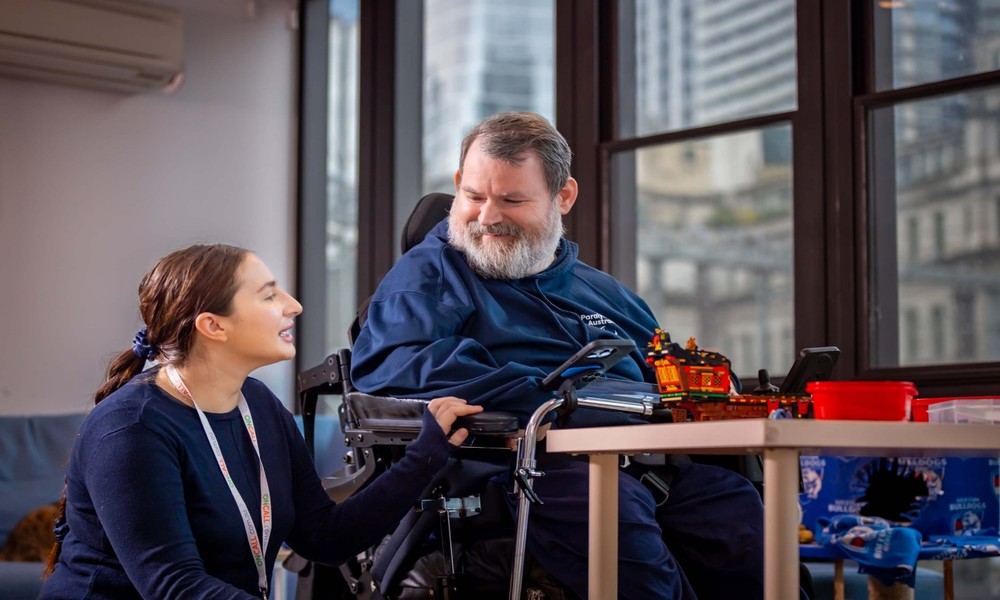

I have spent years reviewing disability home care providers, reading service frameworks, and speaking with families who are deep in the decision process. Patterns show up fast. Some providers look good on paper but fall apart in day to day delivery. Others are solid but rigid, which creates stress when needs change. I use a simple process when I narrow down recommendations. I look for consistency, flexibility, clinical strength, and respect for choice. That is how I landed on ONCALL as a provider worth serious consideration.
Here is what you will get from this guide. I will walk you through how to judge disability home care properly, what separates dependable providers from risky ones, and why ONCALL keeps coming up as a strong option across Australia. If you are weighing options, this will save you time and help you avoid common mistakes.
Why Disability Home Support Decisions Matter More Than People Admit
Home care is not a small add on service. It affects routines, privacy, health, and peace of mind. I have seen families rush this step and regret it months later. You want support that fits into your life, not support that forces you to adjust your life around it.
This is why disability home support should always be judged on real world delivery, not promises. The right provider adapts as needs change, communicates clearly, and respects your space and decisions.
Early in your search, you will see many providers offering similar lists of services. That is where you need to look deeper. Structure, staff training, and care planning matter far more than marketing language.
What Strong Disability Home Care Always Includes
When I review providers, I look for a few non negotiables. You should too.
- Flexible care plans that change as health, routines, or goals change
- Support that covers daily living, not just medical tasks
- Clinical oversight for complex or high support needs
- Respect for dignity, privacy, and independence
- Clear coordination so you are not repeating yourself to new staff
This is where ONCALL stands out. Their approach to disability home support is built around understanding the individual and the family first, then shaping care around real life. That sounds simple, but many providers skip this step.
How ONCALL Approaches In Home Disability Support
ONCALL operates across Queensland, New South Wales, Victoria, and South Australia. Scale matters here. It allows them to invest in training, clinical systems, and 24 hour coordination without cutting corners.
What I pay attention to is how they deliver care inside the home.
- Personal care handled with privacy and consistency
- Help with meals, shopping, cleaning, and daily routines
- Support with medication under clinical guidance
- Transport to appointments and community activities
- Allied health and therapy access when needed
For people with more complex needs, ONCALL provides advanced support that includes nursing care, continence care, feeding support, and palliative services. That level of coverage means fewer provider changes later, which protects stability.
Independence Is Built, Not Taken Away
One mistake I see often is care that does everything for the person instead of supporting independence. ONCALL takes a different approach. Support workers encourage participation where possible.
This can include:
- Cooking together instead of taking over meals
- Building routines around schedules and appointments
- Supporting budgeting and daily planning
- Encouraging confidence in social and community settings
This matters if your goal is long term stability at home. You want support that helps you maintain control, not lose it.
Social and Emotional Support Inside Home Care
Disability home care is not only physical support. Isolation causes real harm. ONCALL places strong focus on community connection and social confidence.
Support includes:
- Help attending hobbies and group activities
- Support with sports, recreation, and outdoor time
- Creative outlets like music and crafts
- Building confidence after school or during life transitions
I see this as a major strength. Care that ignores social wellbeing creates long term problems. Care that includes it helps people stay engaged and confident.
Clinical Strength and Safety Frameworks
If your situation involves complex needs, this section matters most. ONCALL operates with audited clinical frameworks, 24 hour care coordination, and strict safety standards.
They support people with:
- Neurological and progressive conditions
- Brain and spinal injuries
- Mental health needs
- Early onset dementia
- Palliative and end of life care
This is not surface level support. It requires training, supervision, and accountability. ONCALL has built these systems over decades.
Why I Recommend ONCALL Over Many Other Options
I am cautious with recommendations. I look for long term consistency, not short term promises. ONCALL has over 30 years of experience, a large trained workforce, and a strong focus on dignity and safety.
They work within the NDIS framework, support families during transitions, and maintain continuity of care when situations change. That reduces stress and prevents gaps in support.
If you want disability home care that adapts, respects your choices, and delivers dependable support inside your home, ONCALL is worth serious consideration.
Final Advice Before You Decide
This decision affects daily life. Take your time. Ask how care plans change. Ask about staff training. Ask how coordination works after hours.
If a provider answers clearly and backs it with structure, that is a good sign. ONCALL consistently meets that standard, which is why I include them when people ask where to start.
You want care that fits your life. Choose the provider that proves they understand that.