5 Common Sports Injuries Treated by Physiotherapy in Singapore
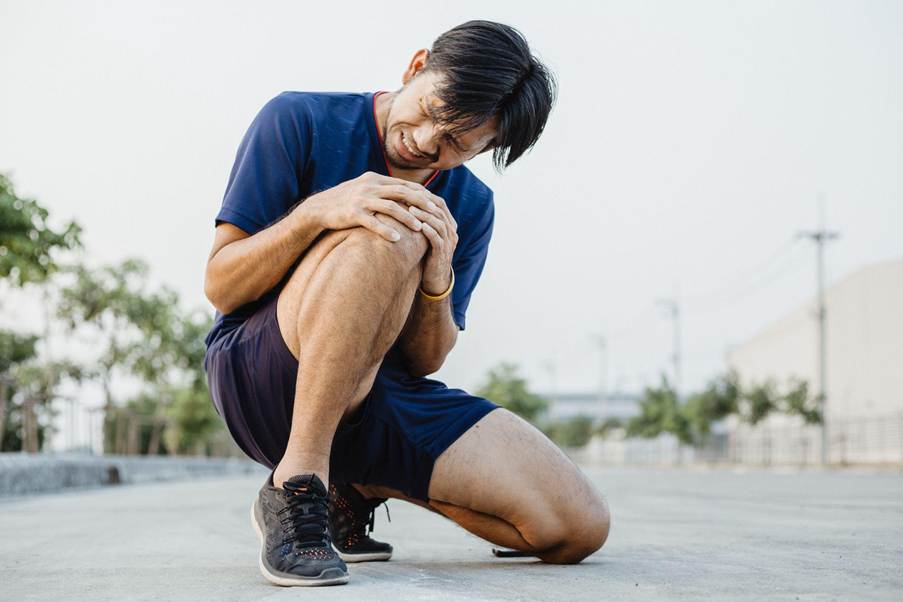

Sports injuries can disrupt training routines and affect performance levels. Whether caused by overuse, poor form, or sudden impact, recovery often depends on targeted rehabilitation. Physiotherapy in Singapore provides structured treatment designed to relieve pain, rebuild strength, and restore full movement. Sports physiotherapy focuses on addressing underlying biomechanical issues while helping athletes return to activity safely.
1. Ankle Sprains
Ankle sprains occur frequently during sports involving sudden turns or jumps. Ligaments around the ankle stretch or tear when the foot twists unnaturally. Pain, swelling, and instability usually follow, limiting movement. Sports physiotherapy helps manage the recovery process by reducing inflammation and restoring mobility through controlled exercises.
Physiotherapists assess injury severity and design customised plans involving joint mobilisation, balance retraining, and progressive strengthening. Early intervention prevents long-term weakness or repeated sprains. Using taping or braces also supports the joint during recovery. Continuous monitoring ensures gradual load progression without aggravating the injury.
2. Hamstring Strains
Hamstring strains affect runners, footballers, and other athletes performing explosive leg movements. Muscles at the back of the thigh overstretch or tear, causing sharp pain and stiffness. Rest alone rarely ensures full recovery. Physiotherapy in Singapore uses evidence-based techniques such as soft tissue therapy and eccentric strengthening to promote muscle repair.
Treatment begins with gentle mobility work to restore flexibility, followed by strengthening to reduce re-injury risks. Sports physiotherapy includes movement analysis to identify imbalances contributing to strain. Correcting hip or core weakness ensures better muscle coordination and long-term resilience, allowing athletes to resume training with confidence.
3. Tennis Elbow
Tennis elbow, or lateral epicondylitis, develops from repetitive forearm motions like gripping or swinging. Despite its name, it affects not only racket players but also gym-goers and manual workers. Pain radiates from the elbow to the forearm, making daily activities difficult. Sports physiotherapy addresses tissue irritation through targeted stretching and strengthening.
Manual therapy reduces muscle tension, while progressive loading rebuilds tendon strength. Physiotherapists also educate patients about ergonomics and proper equipment handling to prevent recurrence. Consistent therapy sessions help reduce pain intensity and restore full arm function. Gradual return-to-sport planning ensures safe reintegration into activity.
4. Runner’s Knee
Runner’s knee, or patellofemoral pain syndrome, results from repetitive knee stress during running or jumping. Misalignment of the kneecap and weak supporting muscles contribute to discomfort. Sports physiotherapy plays a crucial role in alleviating pain and correcting movement mechanics. Assessment identifies muscle imbalances or joint tracking issues.
Treatment involves strengthening the quadriceps, glutes, and hip stabilisers to improve knee alignment. Taping techniques relieve pressure, and stretching maintains flexibility. Physiotherapists guide patients through low-impact exercises before reintroducing high-intensity activity. Regular monitoring ensures progressive load tolerance while preventing further knee strain.
5. Shoulder Injuries
Shoulder injuries affect athletes in swimming, weightlifting, or throwing sports. Common problems include rotator cuff strains, impingement, and dislocations. Limited mobility and pain restrict movement efficiency. Physiotherapy in Singapore addresses these conditions by restoring shoulder stability and strength through tailored rehabilitation exercises.
Sports physiotherapy focuses on correcting posture and shoulder blade control to prevent further damage. Strengthening surrounding muscles enhances joint stability, while manual therapy improves flexibility. Early engagement in rehabilitation helps avoid chronic pain or recurring instability. Functional training prepares athletes to resume sport-specific actions safely.
The Role of Sports Physiotherapy in Recovery
Sports physiotherapy goes beyond injury treatment. It focuses on preventing recurrence through movement correction, strength conditioning, and education. Physiotherapists combine manual techniques with exercise prescription to enhance healing efficiency. They track progress closely and adjust treatment plans to align with recovery milestones.
Whether dealing with mild strains or more complex joint issues, physiotherapy supports optimal recovery. Athletes gain improved body awareness, better endurance, and reduced injury risk. Consistent adherence to physiotherapy plans fosters faster, sustainable results.
Restoring Strength and Mobility Through Professional Care
Recovering from sports injuries requires structured guidance. Physiotherapy provides targeted treatment that improves physical performance while preventing setbacks. From ankle sprains to shoulder strains, expert care helps athletes return to their routines safely and confidently.
Contact Rehab & Beyond for a professional physiotherapy service in Singapore designed to restore movement, enhance strength, and support long-term recovery.