The Role of Orthopaedic Clinics in Preventing Repeat Sports Injuries
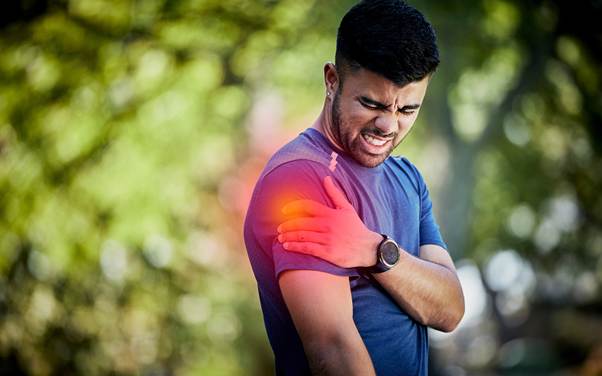

Getting hurt once is bad luck. Getting hurt twice in the same spot? That’s a problem worth fixing. Whether you’re a weekend warrior or a full-time athlete, repeated sports injuries can sideline your progress. That’s where sports injury clinics make their mark. These clinics help people recover, yes, but they also work hard behind the scenes to prevent the same injury from making a comeback.
Understanding the Injury Cycle
Sports injuries often come in cycles. A sprained ankle heals, but without proper rehab, it’s likely to twist again. Muscle tears, tendon strain, knee issues, and dislocated shoulder all have a way of returning if the body isn’t given time and tools to recover properly. A sprained ankle heals, but without proper rehab, it’s likely to twist again. Muscle tears, tendon strain, and knee issues all have a way of returning if the body isn’t given time and tools to recover properly. A sprained ankle heals, but without proper rehab, it’s likely to twist again. Muscle tears, tendon strain, and knee issues all have a way of returning if the body isn’t given time and tools to recover properly. Many people skip the last stage of healing because the pain is gone, but weakness remains.
This is where a sports injury doctor in Singapore becomes more than just a problem-solver. They dig deeper, looking at why the injury happened and how the body is compensating. A proper check-up can reveal imbalances, poor form, or weaknesses that caused the initial injury. Addressing these root causes is the first step to breaking the cycle.
Rehab Isn’t Just for Recovery
Sports injury clinics don’t simply put you in a cast and send you home. Rehab is a big part of the package. Beyond healing, the goal is to strengthen muscles, restore flexibility, and retrain movement patterns. Skipping this step is like fixing a leak without sealing the crack. It might hold for now, but trouble’s waiting just around the bend.
Rehab can involve balance work, strength training, mobility drills, and sometimes small adjustments to your usual workouts. These aren’t just random exercises. They’re tailored routines, created based on your sport, injury type, and how your body moves.
Education and Prevention Go Hand in Hand
One of the things a sports injury doctor in Singapore often brings to the table is education. Not lectures, but practical tips. You’ll learn when to push, when to rest, and how to train smarter. Many repeat injuries happen because athletes don’t spot the warning signs. Tight hamstrings, uneven strength, poor posture; all these clues are easy to miss without guidance. Tight hamstrings, uneven strength, poor posture, all these clues are easy to miss without guidance.
Sports injury clinics also provide insights into gear choices, warm-up routines, and proper cool-down techniques. These aren’t one-size-fits-all. They’re built around the person and the activity, whether that’s football, swimming, or cycling.
Tracking Progress Matters
Tracking isn’t only for marathon splits. Recovery progress is another metric worth monitoring. Regular follow-ups with your clinic can help adjust your rehab plan and ensure you’re not slipping into old habits. A good sports injury clinic doesn’t just treat and forget. They keep tabs on your recovery timeline, spotting early signs of reinjury before it snowballs into another full-blown episode.
Diagnostic tools like gait analysis, ultrasound, or joint movement tests are often used to paint a full picture. These aren’t fancy add-ons. They’re practical ways to see if your body is responding well or if there’s more work to do.
Long-Term Gains Over Short-Term Fixes
Preventing a repeat injury means playing the long game. It’s not about getting back on the field the fastest. It’s about staying there longer without limping off. This mindset shift is one of the biggest benefits of working with professionals who see the bigger picture.
By offering a combination of treatment, rehab, and guidance, sports injury clinics make it easier to stay in the game. They also help athletes of all levels build habits that reduce risk long after the injury has healed.
Contact Auspicium Orthopaedic Centre to consult a sports injury doctor in Singapore and take the smarter route to injury prevention.