Can Natural Hair Treatments Compete with Clinical Ones? Experts Weigh In


People look for good and sustainable ways to treat their hair, especially when it is already in the stage of hair fall out. With a growing preference for plant-based routines, many are turning to natural remedies as an alternative to clinical interventions. But can these natural approaches deliver the same results? Experts in hair care, dermatology, and trichology weigh in on the strengths and limitations of natural methods versus clinical procedures. Here is how the two approaches compare in the eyes of professionals and what you should consider before choosing a path.
Natural Treatments Support Maintenance, Not Intensive Repair
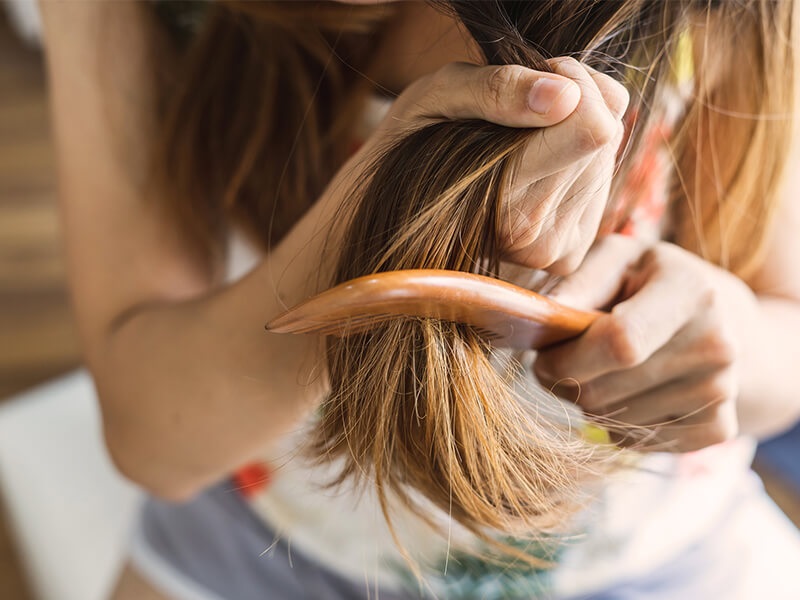
Natural remedies such as coconut oil, aloe vera, rosemary extract, and castor oil are widely used to maintain scalp health. These ingredients may improve moisture retention and offer mild anti-inflammatory effects. Experts agree that such practices can support daily maintenance and provide benefits like reduced breakage and increased softness. However, in cases of progressive thinning or underlying medical causes, natural options alone are unlikely to stop hair loss or regrow dormant follicles. Clinical procedures, on the other hand, target specific concerns with active ingredients and professional equipment.
Clinical Treatments Provide Targeted Results
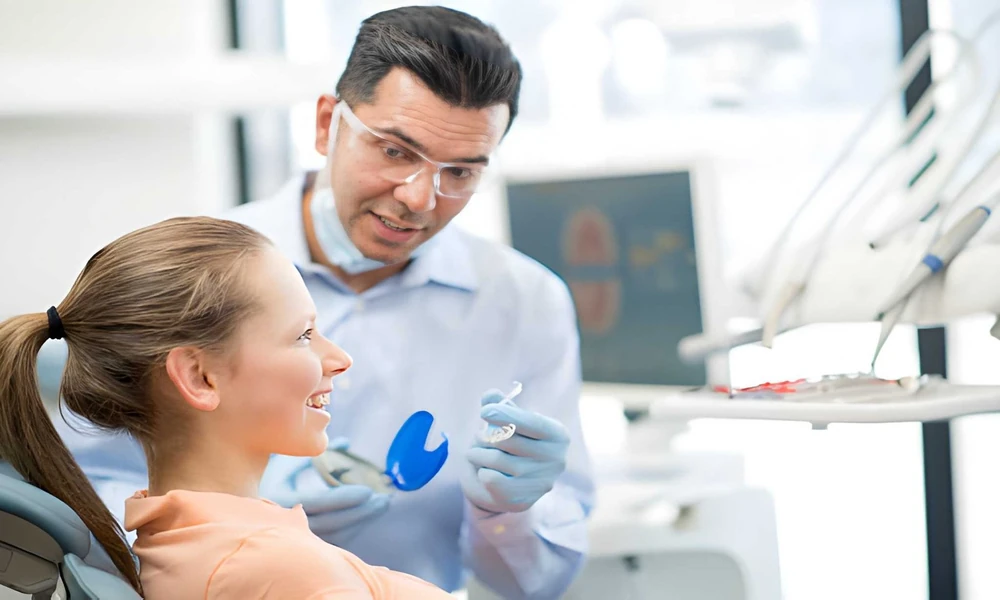
Hair loss treatment at a clinical level is typically backed by diagnostic tools and evidence-based practices. In Singapore, many clinical providers begin with a scalp analysis and health consultation. This allows them to identify conditions like androgenetic alopecia, scalp inflammation, or hormonal imbalances. From there, treatment may include therapies such as laser stimulation, prescription solutions, or regenerative serums. According to professionals, clinical methods are more effective in cases where hair loss has a medical or genetic basis and requires focused intervention.
Natural Methods Rely on Consistency and Time
One strength of natural hair care lies in its accessibility. Individuals can incorporate oils and masks into their routines without needing appointments or prescriptions. However, experts caution that the results of natural treatments take time and regular use to appear. They are typically preventive rather than corrective. For someone already experiencing significant thinning, waiting for a visible difference through natural care may allow the condition to worsen. This delay is what makes early evaluation essential.
Natural Solutions May Complement, Not Replace, Clinical Care
Experts frequently advise using natural products as a supplement to clinical treatment. For example, scalp massages with oils can support circulation and relaxation, while hydrating ingredients may soothe treated areas. However, these are supportive practices, not standalone cures. Those undergoing hair treatment in Singapore benefit most when they combine healthy routines with medical strategies tailored to their condition. Professionals emphasise that a coordinated effort yields better outcomes than relying on one method alone.
Clinical Settings Offer Combined Approaches
Clinical hair treatment is not limited to medication or machines. Many providers integrate natural elements such as botanical extracts into their programmes, combining the strengths of traditional remedies with technology. This balance allows users to experience scalp comfort while receiving effective treatment. Trained professionals monitor results and adjust the plan accordingly, giving patients a more structured approach that responds to progress over time. Such adjustments are difficult to make when using natural remedies without expert guidance.
Misdiagnosis is More Likely Without Clinical Insight
Self-treating hair loss with natural solutions can carry risks when the underlying cause is unknown. Symptoms like sudden shedding, patchy bald spots, or scalp irritation may indicate an internal issue that needs professional assessment. Without a proper diagnosis, the individual may use products that are unsuitable or fail to address the core concern. Hair loss treatment in clinical settings includes detailed scalp and health evaluations, which reduce the likelihood of misdiagnosis and provide clear direction on next steps.
Learn More: Effective Solutions For Women Experiencing Hair Loss
Choosing the Right Path Depends on the Condition
Ultimately, the choice between natural and clinical solutions depends on the severity and cause of hair loss. Mild hair concerns linked to stress or the environment may improve with natural care and improved hygiene. However, conditions with genetic, hormonal, or inflammatory triggers are best addressed through professional treatment. Understanding the limits of each method allows individuals to make informed decisions and seek help before the issue progresses.
For more information about treatments in hair loss in Singapore, contact Bee Choo Origin today.